

 Water damage drying
 Fire & smoke cleanup
 Mold remediation
 Storm response
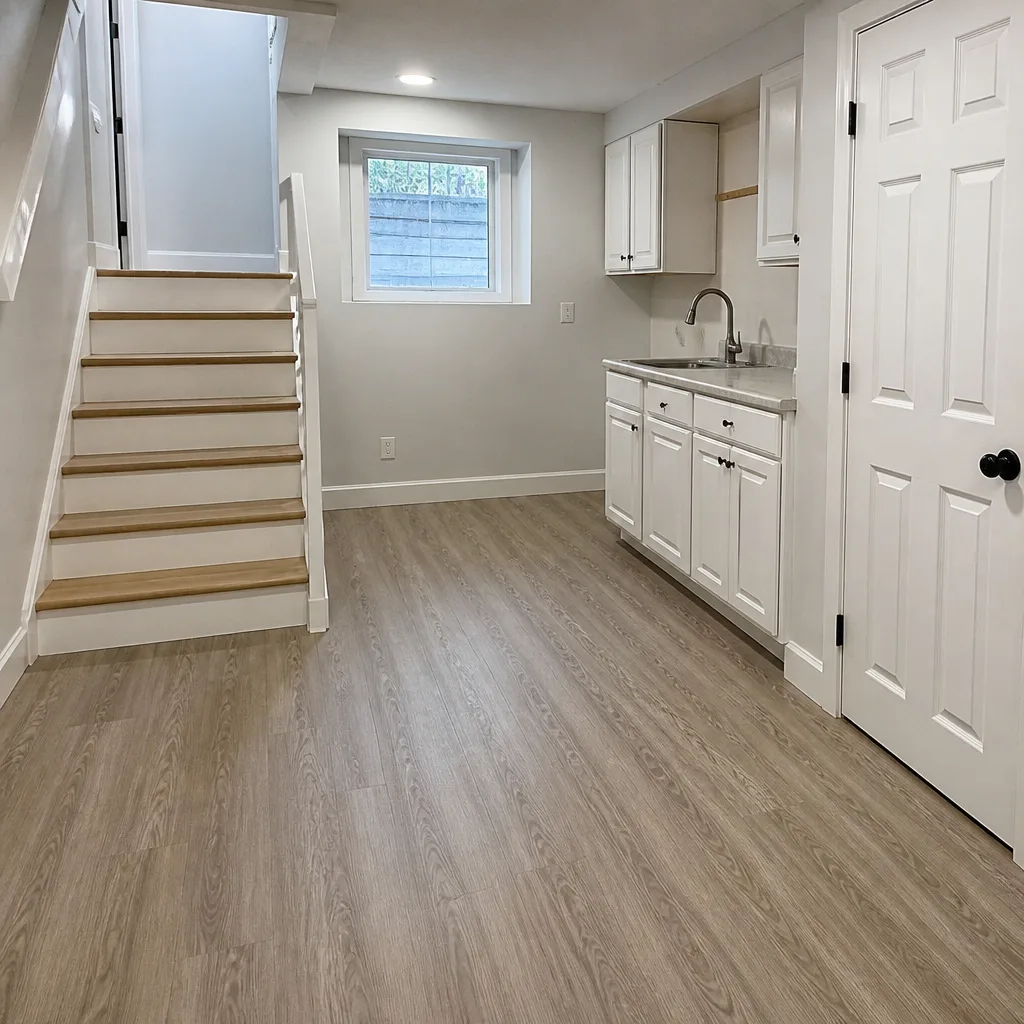 Sewage cleanup
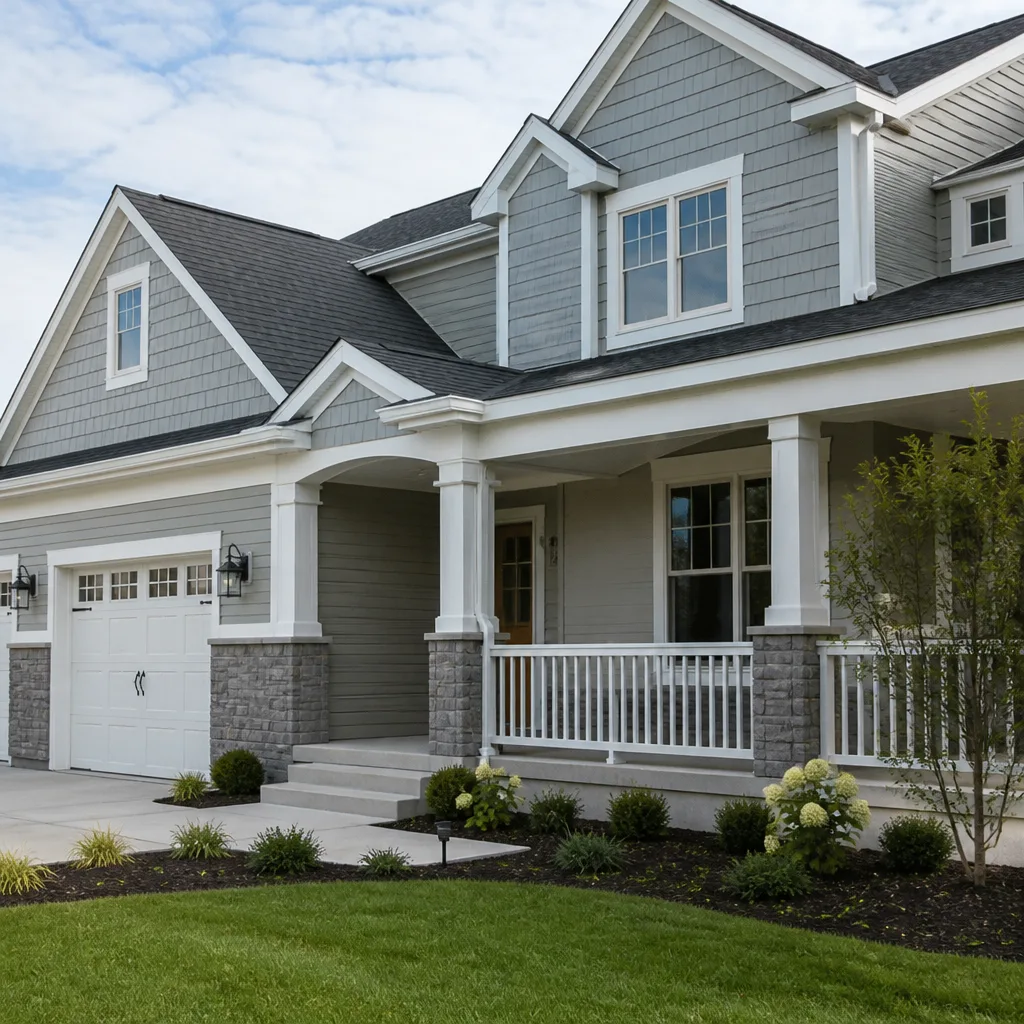 Reconstruction
Free visual inspection and a written scope of work before any mitigation begins - photos, moisture readings, and drying logs go in your claim file
The scope we write is the scope we bill. Anything new gets shown to you, in writing, before we touch it.
Get your free estimateRestoration work we handle
See the difference
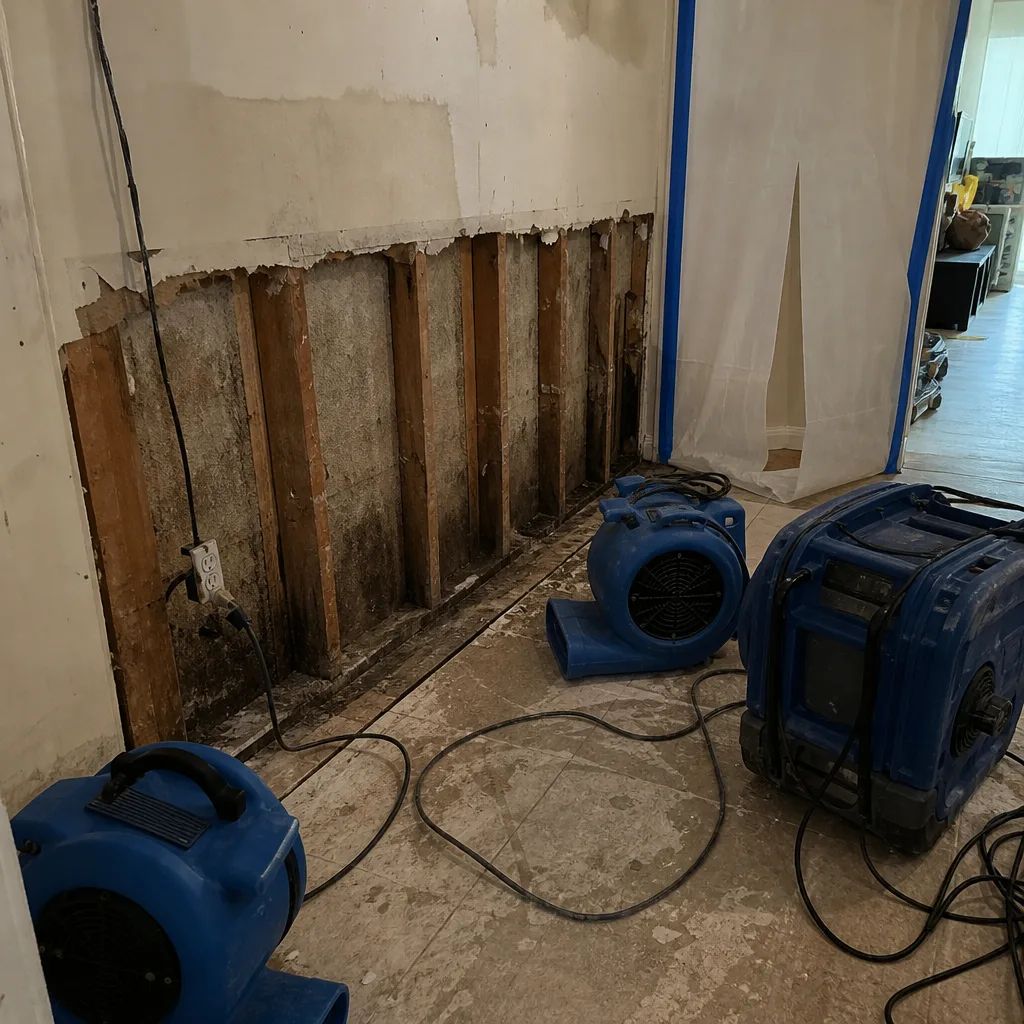 Before
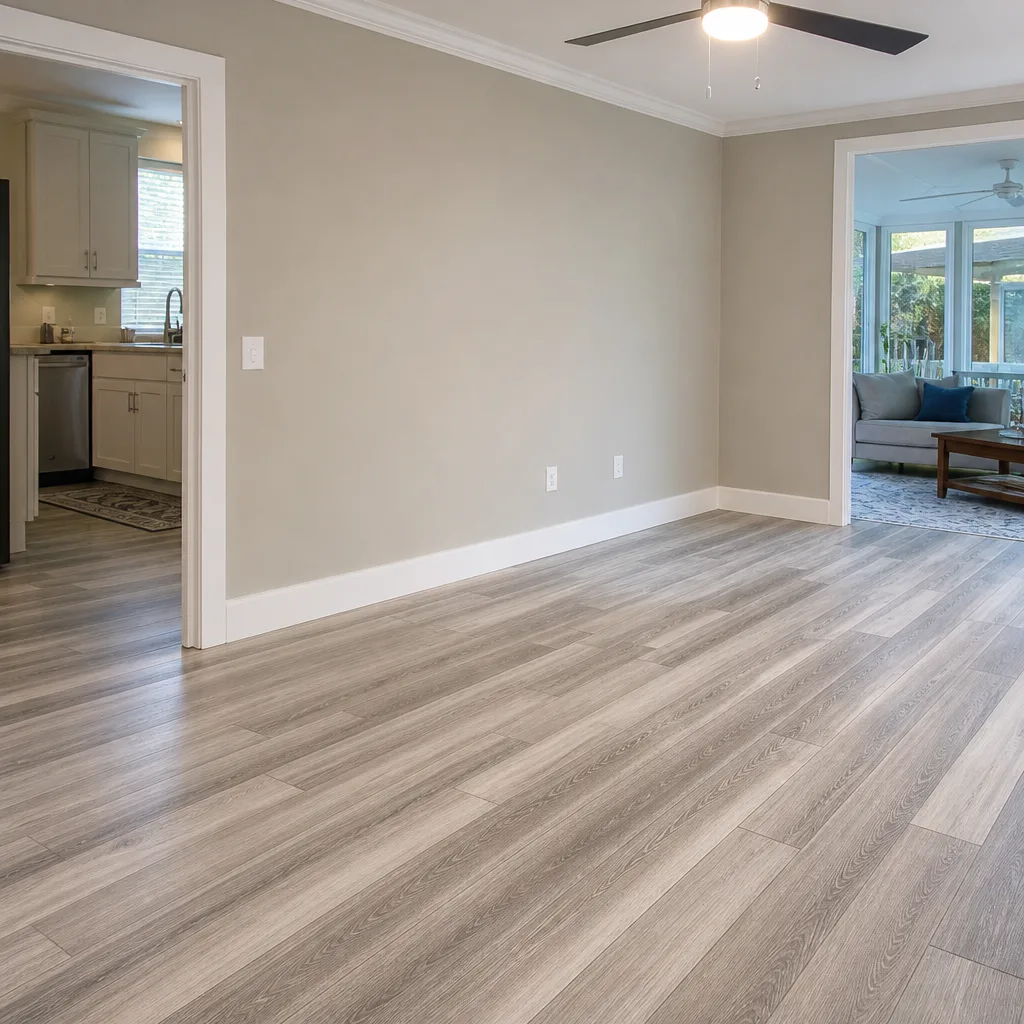 After
After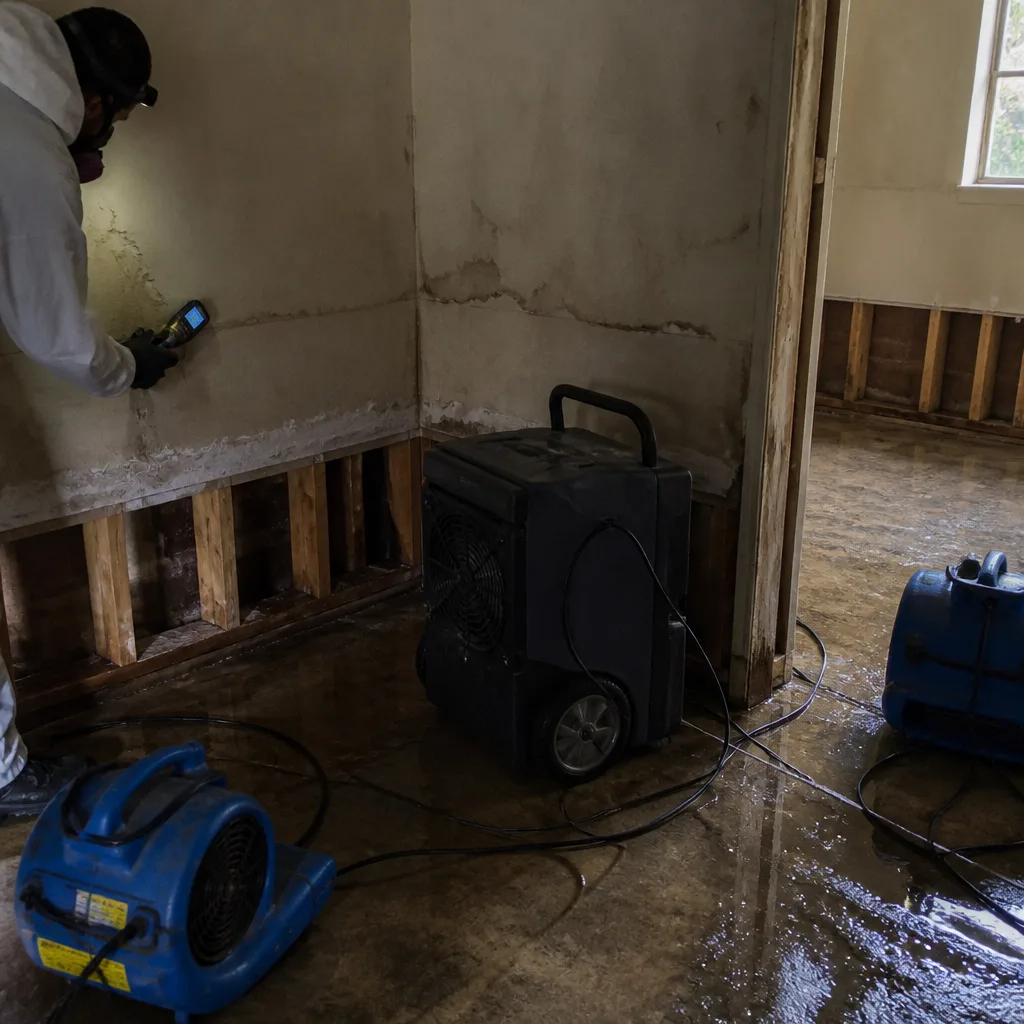 Before
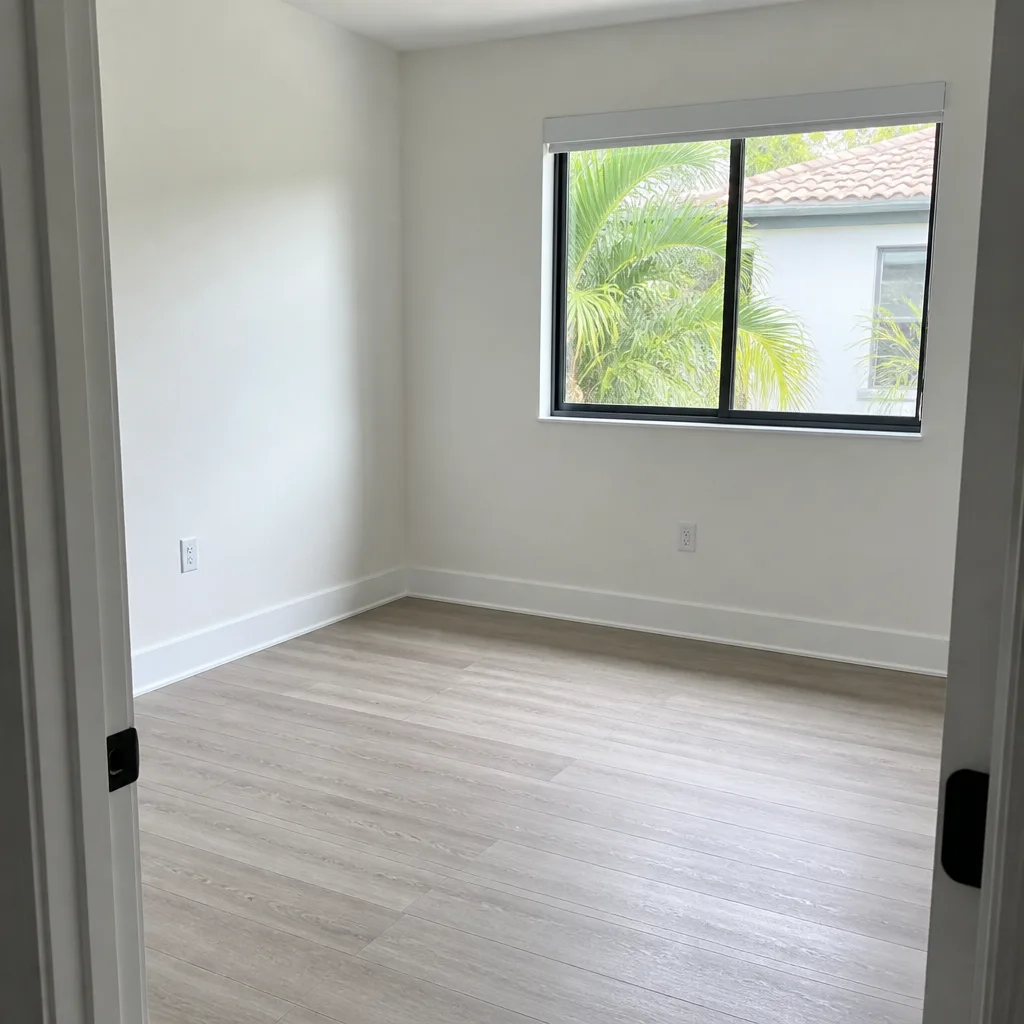 After
After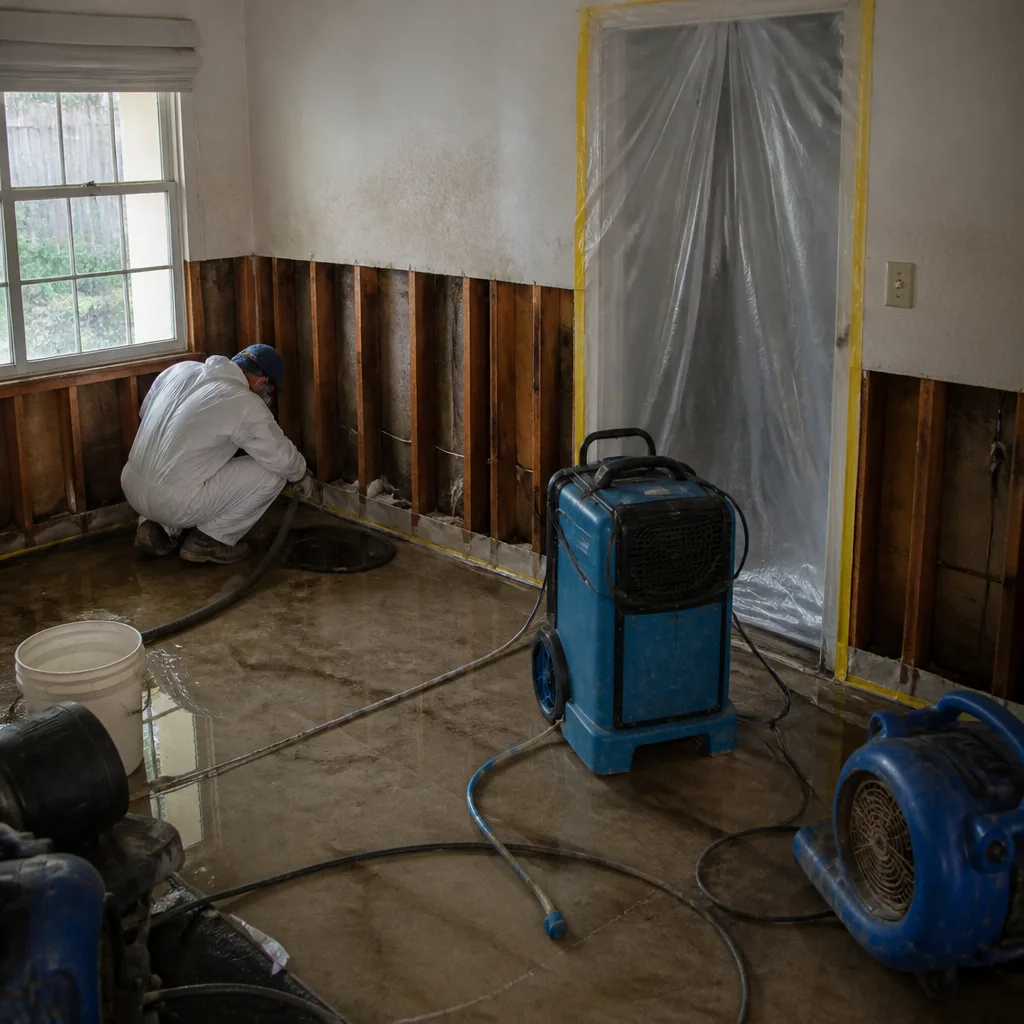 Before
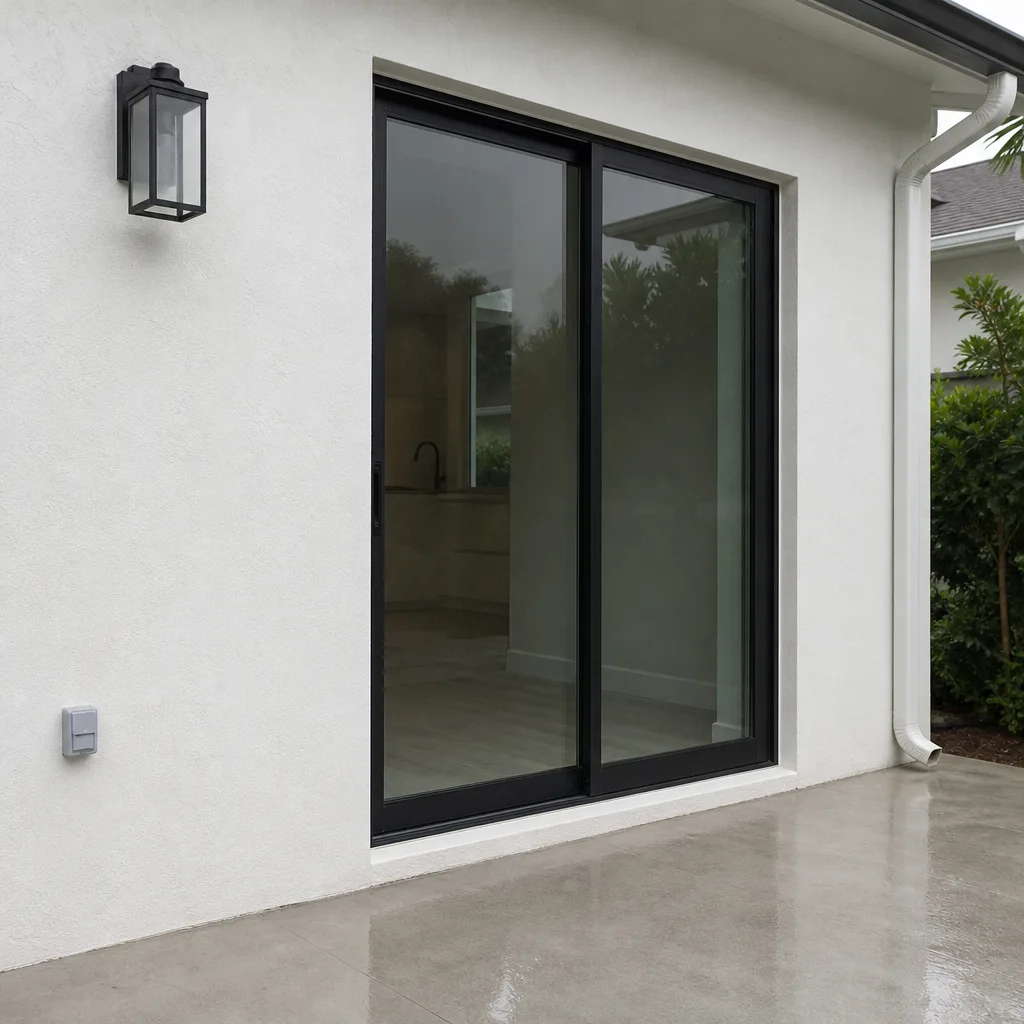 After
AfterHow Much Does Reconstruction & Cleanup Cost in Fort Lauderdale?
Reconstruction and cleanup after water, mold, or storm damage in Fort Lauderdale typically runs between $3,200 and $11,800 for most residential projects in 2026. Small, contained jobs like drying out a single flooded bathroom and replacing the drywall can land around $2,800, while a full kitchen rebuild after a Category 3 sewage backup regularly exceeds $18,000. The honest midpoint for the work we see most often in neighborhoods like Victoria Park, Sailboat Bend, and Coral Ridge sits between $5,500 and $8,500, and that includes demolition, drying, materials, and finish work. Every Marsh Water Damage Fort Lauderdale job gets a written price before a single tool comes off the truck, so the number you approve is the number you pay.
If you’re looking at a number on an insurance estimate and wondering whether it’s fair, or if you just walked into a flooded living room and need a dollar range before you make any calls, this guide breaks down exactly what reconstruction and cleanup costs in Fort Lauderdale, why prices vary, and where the money goes. We’ll give you real ranges based on what we’ve actually billed in this market since 2005.
Reconstruction & Cleanup Cost Breakdown (2026)
Here’s what we see on real invoices across Fort Lauderdale. These are the line items that make up a typical residential water damage reconstruction project, from first extraction to final paint. Prices reflect Broward County labor rates, local material costs, and the code requirements specific to coastal South Florida construction.
| Service Line Item | Typical Fort Lauderdale Range (2026) | What It Covers |
|---|---|---|
| Emergency water extraction | $450 – $1,150 | Standing water removal, truck-mounted extraction, initial moisture mapping |
| Structural drying (equipment & monitoring) | $900 – $2,600 | Air movers, dehumidifiers, daily psychrometric readings until dry |
| Demolition & debris removal | $1,200 – $4,500 | Removing wet drywall, flooring, cabinets, and hauling debris |
| Drywall replacement (materials & hanging) | $1,400 – $3,800 | New drywall, taping, mudding, and sanding; typically 4 – 6 sheets |
| Flooring replacement | $1,800 – $6,200 | Tile, luxury vinyl plank, or engineered hardwood in flood-prone layouts |
| Baseboard & trim work | $350 – $1,100 | Replacing warped baseboards, door casings, quarter-round |
| Prime & paint (walls and ceilings) | $500 – $1,800 | Sealing, priming, and two coats on affected rooms |
| Cabinet repair or replacement | $1,100 – $7,500 | Bottom-cabinet replacement after under-sink leaks is the most common |
| Mold remediation (when required) | $900 – $3,400 | Containment, HEPA air scrubbing, antimicrobial application, clearance testing |
Those line items add up quickly, which is why most Fort Lauderdale water damage reconstruction jobs we handle fall in the $5,500 to $8,500 range when the damage stays in one or two rooms. A washing machine supply line that bursts while you’re at work and floods the laundry room, hallway, and part of a bedroom will typically land around $6,900 once drywall, baseboard, and flooring are replaced.
What moves the price up or down? Three big things. First, how long the water sat before extraction started. A slab leak on a concrete foundation in Lauderdale Lakes that runs for a weekend before anyone notices will soak more drywall and wick further up the walls than a toilet overflow caught in twenty minutes. Second, the category of water. Clean water from a supply line costs less to remediate than a sewage backup, which requires full containment and disposal of porous materials. Third, whether any load-bearing framing got wet. Once you’re into structural lumber drying or replacement, you’re talking about permits and engineers, and the cost steps up accordingly.
What Affects Reconstruction & Cleanup Pricing in Fort Lauderdale
- Water category and contamination level. Category 1 water from a broken supply line is the cheapest to clean. Category 2, like washing machine overflow with detergents, adds sanitization. Category 3, which includes sewage and storm surge from hurricanes, requires full PPE, containment barriers, and disposal of anything porous. Each step up adds roughly 30 to 45 percent to cleanup costs.
- Humidity and drying conditions. Fort Lauderdale’s ambient humidity, often above 70 percent, means drying takes longer than inland Florida. More dehumidifier days means a higher structural drying line item. Our technicians use psychrometric readings, which measure actual moisture in the air and materials, to determine when a structure is genuinely dry, not just dry to the touch. In July and August, expect drying to add 20 to 35 percent more equipment days than the same job in January.
- Age and construction type of the home. Older homes in neighborhoods like Croissant Park or Riverland Woods, especially pre-2000 builds, often have plaster over gypsum, which can be slower to dry and harder to match for repairs. Post-2010 construction in newer developments like the West Lake area tends to dry faster and price lower. Concrete block framing, common in mid-century Fort Lauderdale homes, handles water differently than wood-frame construction in 1920s Fort Lauderdale bungalows.
- Finish materials being replaced. Restoring builder-grade carpet and baseboard runs far less than matching terrazzo flooring in a mid-century home off East Las Olas or recreatingcustom millwork in a Rio Vista property. We price the actual material being matched, and we’ll tell you when a custom match is going to cost more before we start, not after.
- Permit and code requirements. Any structural change in Fort Lauderdale requires a permit through the City’s Building Services Division. Electrical work tied to flood-damaged panels or circuits needs a Broward County electrical inspection. Permits add $150 to $1,200 depending on scope. A reputable contractor will pull them, and the cost appears as a line item. If someone quotes structural work without permits, that’s a red flag.
- Timing and urgency. After a major storm event or hurricane, material prices in Broward County spike for drywall, flooring, and even dumpster rentals. You can’t control a hurricane, but you can control how quickly you call. A same-week response means locked-in material pricing before the market runs.
Reconstruction & Cleanup: What the Process Looks Like in Fort Lauderdale
If you’ve never been through a water damage reconstruction before, the process can feel overwhelming. Here’s exactly what happens when we handle a job in Fort Lauderdale, step by step. This is the same sequence we follow whether the damage is from a water heater failure in Imperial Point, a roof leak in Harbordale, or storm surge in Edgewood.
Step 1: Call and speak to a live person
When you call (754) 755-2815, a live person answers. Not a voicemail, not an automated system, not a chatbot. We take your address, ask what happened, and give you a sense of what to expect. We will also tell you the name and photo of the technician we’re sending before they arrive. That’s the Threshold Standard, and it applies to every single visit, not just the first one.
Step 2: Assessment and written price
The technician arrives in a uniform, shows a photo ID badge at the door, and conducts a full assessment. Moisture readings are taken throughout the affected area. Water category is identified. Scope of demolition is mapped. Then you get a written price for the work, before any demolition starts. No estimate that mysteriously grows once drywall comes down. If hidden damage is found mid-job, we stop, show you what we found, and get your written approval on a change order before proceeding. You’re never surprised by a bill.
Step 3: Water extraction and drying
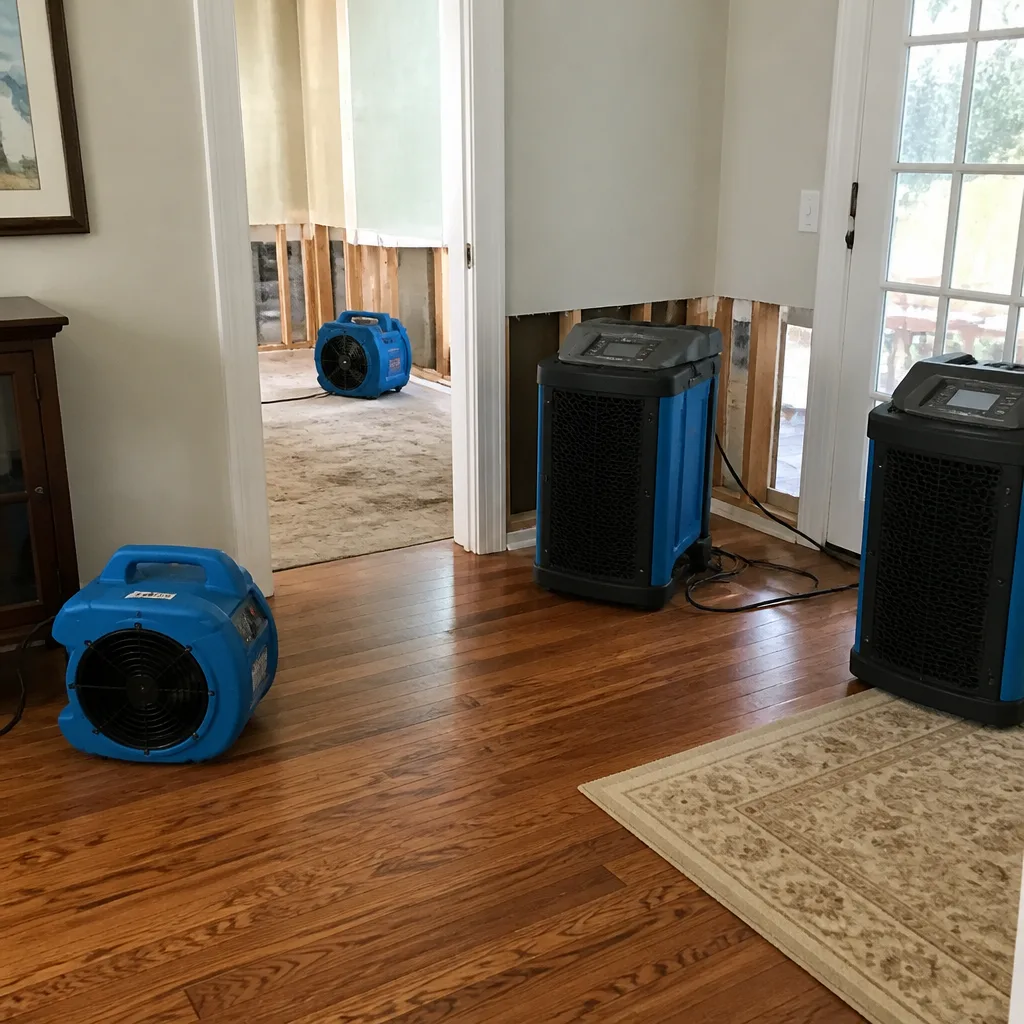
Standing water is extracted using truck-mounted extraction equipment. Then air movers and dehumidifiers, built by Dri-Eaz, Phoenix, XPOWER, and B-Air, are placed throughout the affected area. In Fort Lauderdale’s humid climate, drying typically takes three to seven days. We monitor daily with psychrometric readings until materials reach the dry standard set by the IICRC. Only then do we remove the equipment and move to reconstruction.
Step 4: Demolition and prep
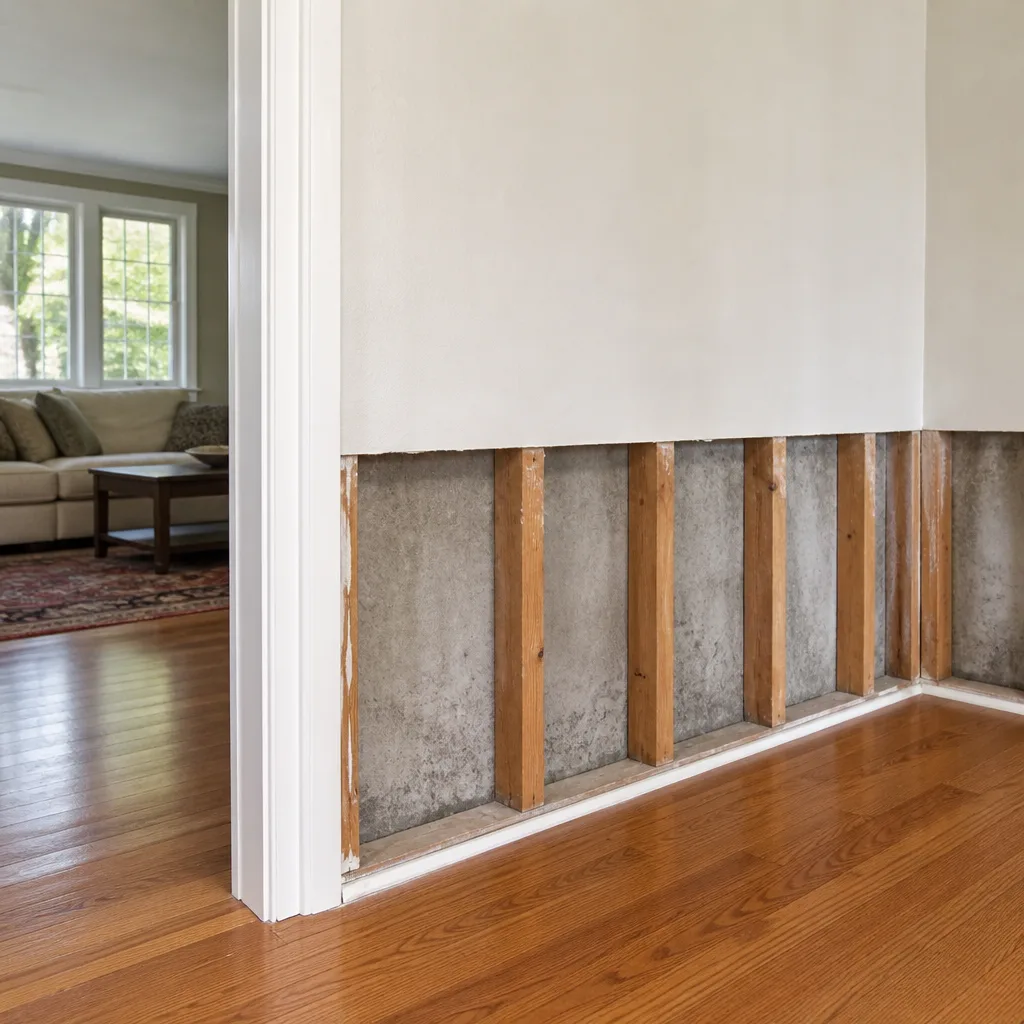
Wet drywall, flooring, baseboards, and any unsalvageable materials are removed and hauled away. If Category 3 water is involved, containment barriers go up before any cutting starts to prevent spreading airborne contaminants. The area is treated with antimicrobial solutions and HEPA air scrubbers when needed, which is part of what separates proper remediation from simply drying things out and painting over the problem.
Step 5: Reconstruction
New drywall is hung, taped, and mudded. Flooring goes in. Baseboards and trim are replaced. Cabinets are repaired or rebuilt. Paint goes on last. Every material is matched to the existing home as closely as possible, and we’ll tell you if a custom match is needed before you’re committed to the cost.
Step 6: Final walkthrough and your 365-Day Done Right Promise
We walk the completed job with you. Every repair performed by Marsh Water Damage Fort Lauderdale is backed by the 365-Day Done Right Promise, printed on our work orders. If anything we repaired is not right within a full year, we come back and make it right. Free second visit, included automatically. You don’t argue for it, you don’t ask for it twice.
For a deeper look at how we work in this specific market, see our Reconstruction & Cleanup in Fort Lauderdale page.
How to Save on Reconstruction & Cleanup
Reconstruction is not a place to shop for the lowest bid. The cheap quote that skips proper drying or uses uncertified labor will cost you more when the mold shows up six months later. That said, there are legitimate ways to keep costs in check without cutting corners.
Call before the water spreads further. The single biggest cost driver is time. Water wicks up drywall at roughly an inch per hour in the first day. A leak caught in the first hour might only require extraction and drying, around $1,500 to $3,000. The same leak left overnight turns into a $6,000 reconstruction. Calling (754) 755-2815 the moment you discover water is the cheapest decision you’ll make.
Know what your insurance covers. Most Fort Lauderdale homeowner policies cover sudden and accidental water damage, like a burst supply line, but exclude gradual leaks and flood damage from rising water. Flood insurance through the NFIP or a private carrier is a separate policy. Before you panic about an estimate, check your policy’s water damage language. We provide detailed, line-item documentation in the format insurance adjusters expect, which means claims process faster and disputes are less likely.
Ask for a written price before work starts. This sounds obvious, but the number of homeowners who get burned by verbal estimates that balloon is staggering. A written price protects you. It’s not a courtesy; it’s the only way to do business. If a contractor won’t put a number on paper before demo starts, that’s your cue to call someone else.
Don’t skip the drying step to save money. Some contractors will offer to “just replace the drywall” without running drying equipment. This is the most expensive mistake you can make. Damp framing inside walls breeds mold within 48 to 72 hours in Fort Lauderdale’s climate. Drying equipment costs $900 to $2,600. Ripping out and replacing mold-infested framing behind already-replaced drywall costs three to five times that. Proper drying is the cost control.
Get a free estimate from a few companies, and compare the actual line items. Not just the bottom number. Compare what’s included. Does the price include permits? Debris hauling? Drying equipment? Prime and paint? A lower number that omits drying or permit costs is not lower; it’s just dishonest. We give free estimates and written pricing, so you can compare apples to apples. Call (754) 755-2815 and you’ll have a real number in hand, on paper, before you make any decisions.
Reconstruction vs. Replacement: When Do You Rebuild, and When Do You Start Over?
This is the question every Fort Lauderdale homeowner asks when the adjuster or the contractor starts throwing around numbers. The answer comes down to the condition of what’s left after drying.
Most damaged materials fall into three categories: salvageable, replaceable, and structural. Salvageable materials like tile floors on concrete slabs usually just need cleaning and drying. Replaceable materials like drywall, baseboards, carpet, and particle-board cabinets get removed and replaced with new materials; that’s the core of reconstruction work. Structural materials, meaning wall studs, floor joists, and roof trusses, only get replaced if they’ve lost structural integrity, which is rare in clean-water events but common after prolonged exposure or termite-damaged wood gets soaked.
Here’s a practical rule of thumb for Fort Lauderdale homes: if the cost to reconstruct a room approaches 60 to 70 percent of the cost to gut it and rebuild from scratch, rebuilding often makes more sense. That’s especially true in older homes with outdated electrical or plumbing that’s already accessible once walls are open. We’ll tell you honestly which is the better financial choice, even when the cheaper option for us is to just patch it. The written guarantee covers the work either way.
Storm Damage and Hurricane Season Pricing in Fort Lauderdale
Fort Lauderdale sits in the cone of concern every June through November. Hurricane season pricing is a real thing, and you should understand it before a storm hits, not after.
In the weeks following a hurricane or major storm event, demand for restoration services across Broward County spikes. Drywall prices rise. Dumpster rentals become scarce. Roof tarping crews book out for weeks. A reconstruction project that costs $7,000 in March can run $9,500 in the weeks after a storm. That’s not price gouging; it’s supply and demand on materials and labor.
What can you do? If your home sustains storm damage, call us immediately at (754) 755-2815. A live person answers 24/7, including holidays. We prioritize water extraction first, because every hour of standing water during post-storm humidity compounds the damage. Even if full reconstruction can’t start for a few weeks due to material availability, getting the water out and drying started within the first 24 to 48 hours dramatically reduces the total cost. We’ll be honest about timelines and about what can wait versus what can’t.
One more local reality: storm surge brings seawater, and seawater is always treated as Category 3 contamination. Salt water is corrosive to electrical systems, and any wiring that was submerged needs evaluation by a licensed electrician. The reconstruction cost on a storm-surge home always includes electrical, and that’s a line item you should expect to see.
Why Choose Marsh Water Damage Fort Lauderdale
We know you have choices. Fort Lauderdale has plenty of restoration companies, from national franchises to one-truck operations. Here’s what separates us, and it’s not a slogan.
You’ll know exactly who is walking through your door. When you call Marsh Water Damage Fort Lauderdale, we tell you the name and photo of the technician coming to your home before they arrive. When they knock, they’re wearing a uniform and showing a photo ID badge. Every technician is background-checked and identity-verified. This is the Threshold Standard, and it exists because opening your door to a stranger during a crisis is its own kind of stress. Homeowners who are home alone, parents with young children, and older homeowners deserve to know who’s coming. We tell you. Every time.
Your price is written, not spoken. Before any work starts, you receive a written price. If hidden damage is discovered during demolition, we stop and get your written approval on any change. There is no end-of-job surprise.
Our work is guaranteed for a full year. The 365-Day Done Right Promise is printed on every work order. If our repair is not right within 365 days, we make it right. Free second visit included. This is not promotional language; it’s a standing commitment that has been part of our company since Tobias Reyner founded the business in 2005 as part of the Threshold Group family.
The equipment is professional-grade. We use drying and extraction gear from Dri-Eaz, Phoenix, XPOWER, B-Air, and Injectidry, the same equipment deployed on large commercial losses. Our technicians hold credentials through the IICRC, RIA, and IFA, the restoration industry’s recognized certification bodies. The water in your home gets the same technical treatment as a flooded commercial building, adapted to a residential footprint.
There’s a reason we’re named after a marsh. A marsh is low, wet ground, water where it shouldn’t be. That’s exactly what we deal with every day. The name isn’t marketing. It’s the job.
FAQs – Reconstruction & Cleanup Cost
How much does water damage reconstruction cost per square foot in Fort Lauderdale?
Water damage reconstruction in Fort Lauderdale runs $35 to $75 per square foot depending on water category, finish materials, and the extent of structural drying required. A 400-square-foot living room with Category 1 water and builder-grade finishes will land around $14,000 at the low end, while the same room with hardwood floors and custom cabinetry can exceed $30,000. Call (754) 755-2815 for a free estimate with a written price; we’ll give you an exact number for your specific home, not a range.
Is it cheaper to repair or replace water-damaged cabinets?
Repairing water-damaged cabinets typically costs $1,100 to $3,500 when damage is limited to toe-kicks, bottom panels, or side gables. Full replacement of a standard Fort Lauderdale kitchen’s lower cabinets runs $3,000 to $7,500. If the cabinet boxes are made of particleboard and soaked through, replacement is almost always the better financial choice, because particleboard crumbles and holds moisture, leading to mold in the cabinet interiors. We’ll show you the damaged sections before you decide, and the written price will show both options side by side.
How much does mold remediation cost in Fort Lauderdale?
Mold remediation as part of a reconstruction project adds $900 to $3,400 for containment, HEPA air scrubbing, antimicrobial treatment, and clearance testing in Fort Lauderdale. Standalone mold remediation, when no reconstruction is needed, runs $1,500 to $6,000 depending on the affected square footage and whether drywall must be removed. The humid Fort Lauderdale climate means mold grows quickly after water damage, which is why proper drying is the cheapest form of mold prevention. Estimates are free; call (754) 755-2815 and we’ll give you a written number.
Can you start reconstruction today if I have standing water right now?
Yes. We answer calls 24/7 with a live person, including weekends and holidays, and we can typically have a technician at your Fort Lauderdale home within hours. Water extraction starts immediately, with a written price for the emergency portion of the work before we begin. Reconstruction follows once the structure is dry, which takes three to seven days in our climate. Call (754) 755-2815 now if water is currently standing; every hour it sits, the reconstruction cost climbs.
Will my homeowner’s insurance cover reconstruction and cleanup?
Most Fort Lauderdale homeowner policies cover sudden and accidental water damage, which includes burst pipes, supply line failures, and water heater ruptures. Typical covered reconstruction claims we process range from $4,500 to $35,000. Gradual leaks, lack of maintenance, and rising flood water are generally excluded unless you carry separate flood insurance. We provide line-item documentation formatted for adjusters, which speeds up claims processing and reduces disputes. For an estimate and documentation your insurer will accept, call (754) 755-2815.
What’s the difference between a reconstruction contractor and a restoration company?
A restoration company handles the full sequence from water extraction through reconstruction, with drying being the critical middle step most general contractors skip. A general contractor can rebuild drywall and lay flooring, but without proper psychrometric drying and antimicrobial treatment, you’re rebuilding over moisture. That’s how you get mold inside brand-new walls. We’re a restoration company with full reconstruction capability, not a contractor who also dries things sometimes. The equipment, the credentials, and the 365-Day Done Right Promise all come from the same team, which means one written price and one point of accountability.
Get Your Free Reconstruction & Cleanup Estimate in Fort Lauderdale
Water damage doesn’t wait for business hours, and neither do we. If you’re looking at a soaked floor, a sagging ceiling, or the aftermath of a storm, call (754) 755-2815 right now. A live person will answer, take your information, and tell you who’s coming to your door before they arrive. You’ll get a written price for the work, and every repair is backed by our 365-Day Done Right Promise. Since 2005, Tobias Reyner and the team at Marsh Water Damage Fort Lauderdale have helped homeowners in Fort Lauderdale recover from water, mold, and storm damage, and we’d be honored to help you do the same. Visit our home page to learn more about who we are and how we work.
Pricing reflects the Fort Lauderdale market as of 2026. Marsh Water Damage Fort Lauderdale offers free estimates – call (754) 755-2815.
Written by Tobias Reyner, Owner at Marsh Water Damage Fort Lauderdale, serving Fort Lauderdale since 2005.
What Our Customers Say
"They explained the whole drying plan on paper first, and the estimate matched the invoice. Pulled wet baseboards and cut out only what was needed."
- Terrence H."Mold test came back clean after their drying. Peace of mind for us."
- Lydia F."Dishwasher leak had gone under the kitchen floor. They found it with a thermal camera and dried it without ripping up everything."
- Helen B.