
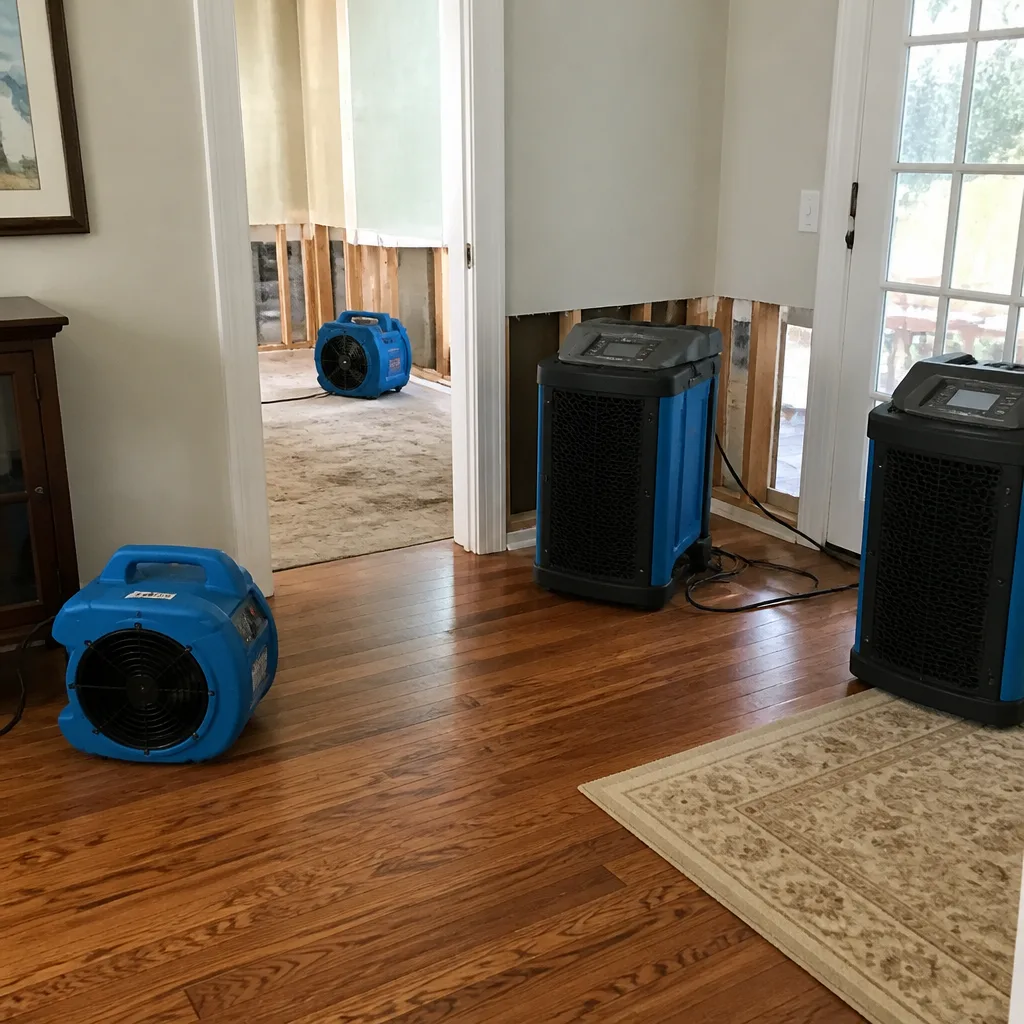
 Water damage drying
 Fire & smoke cleanup
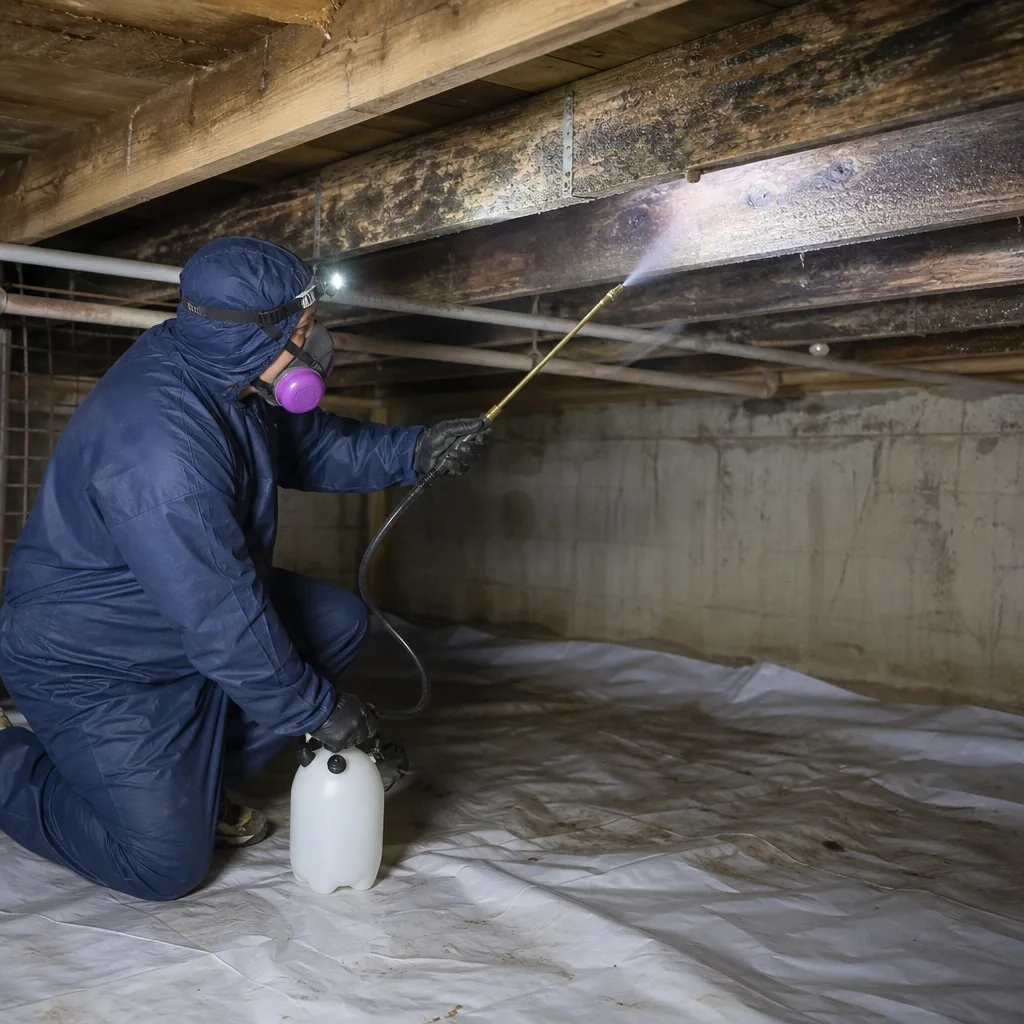
 Mold remediation
 Storm response
 Sewage cleanup
 Reconstruction
Free visual inspection and a written scope of work before any mitigation begins - photos, moisture readings, and drying logs go in your claim file
The scope we write is the scope we bill. Anything new gets shown to you, in writing, before we touch it.
Get your free estimateRestoration work we handle
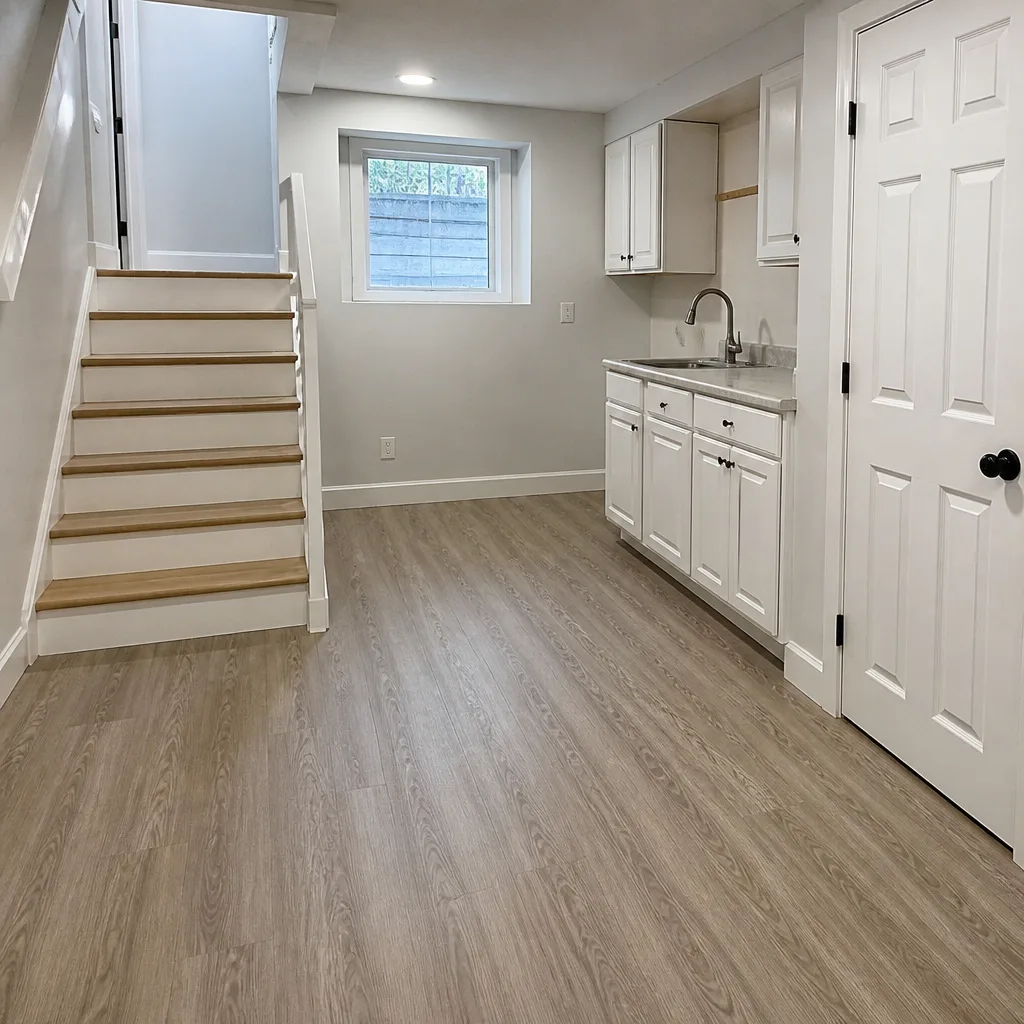
See the difference
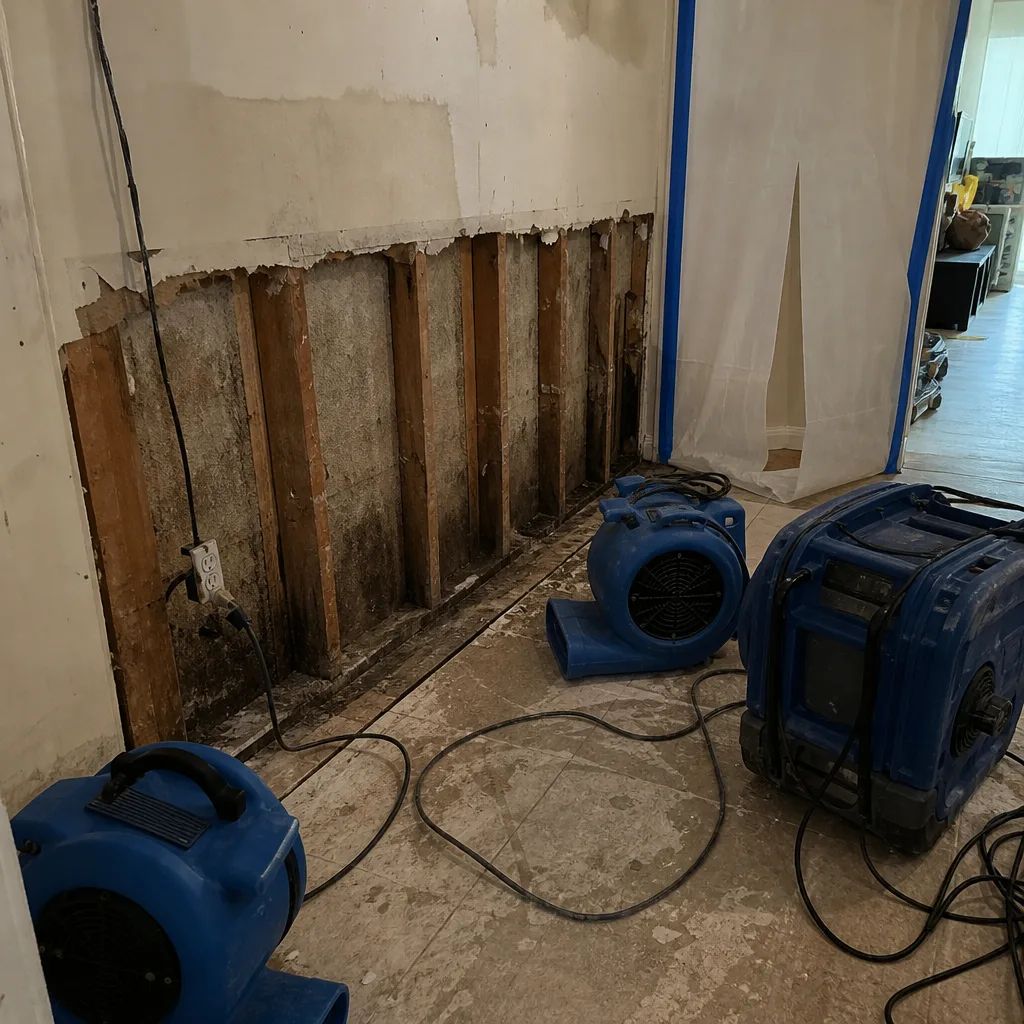 Before
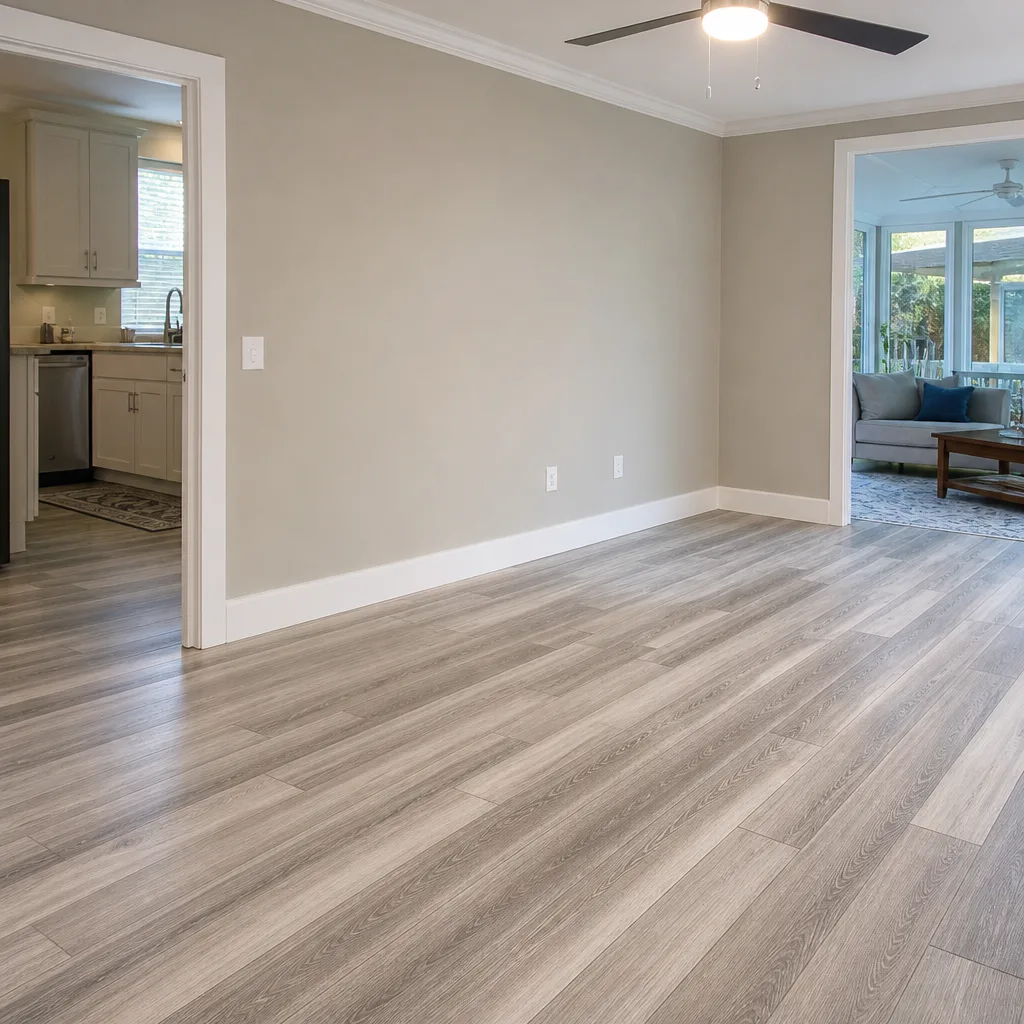 After
After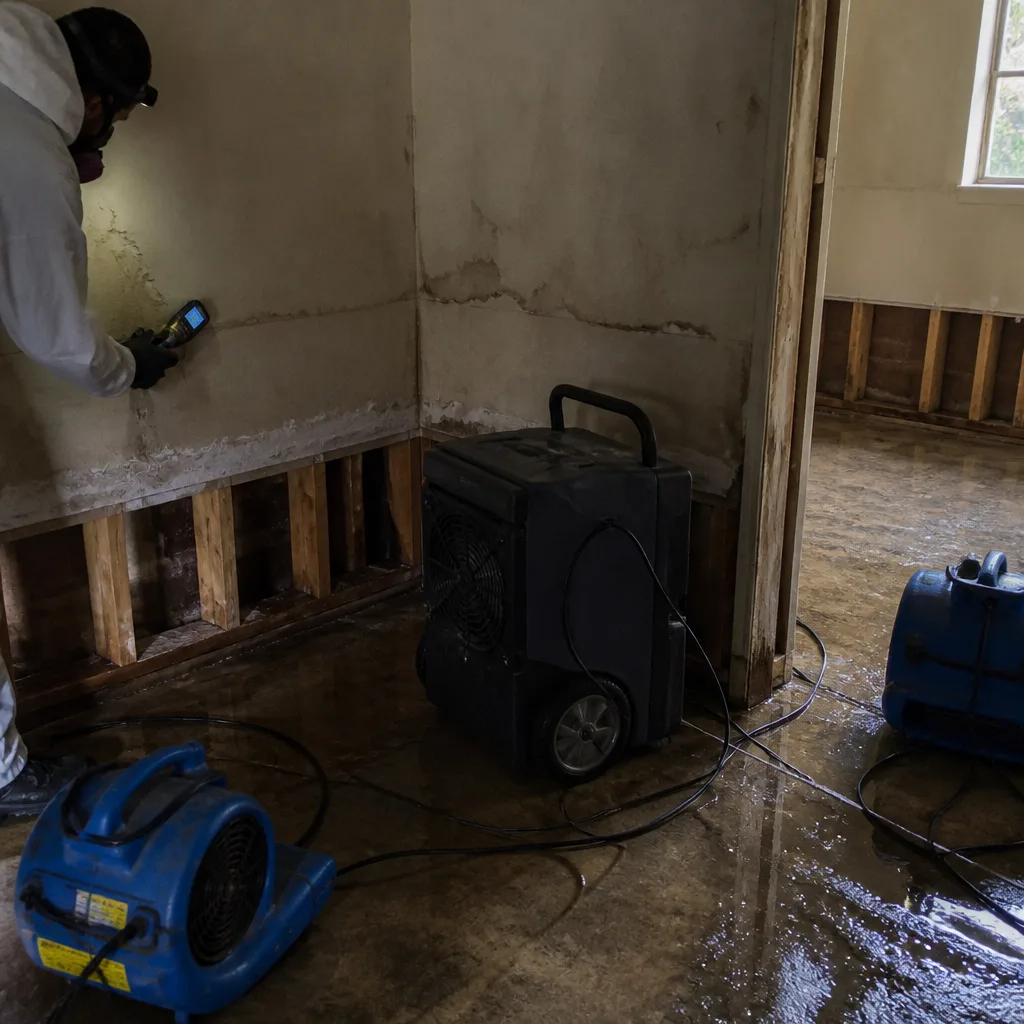 Before
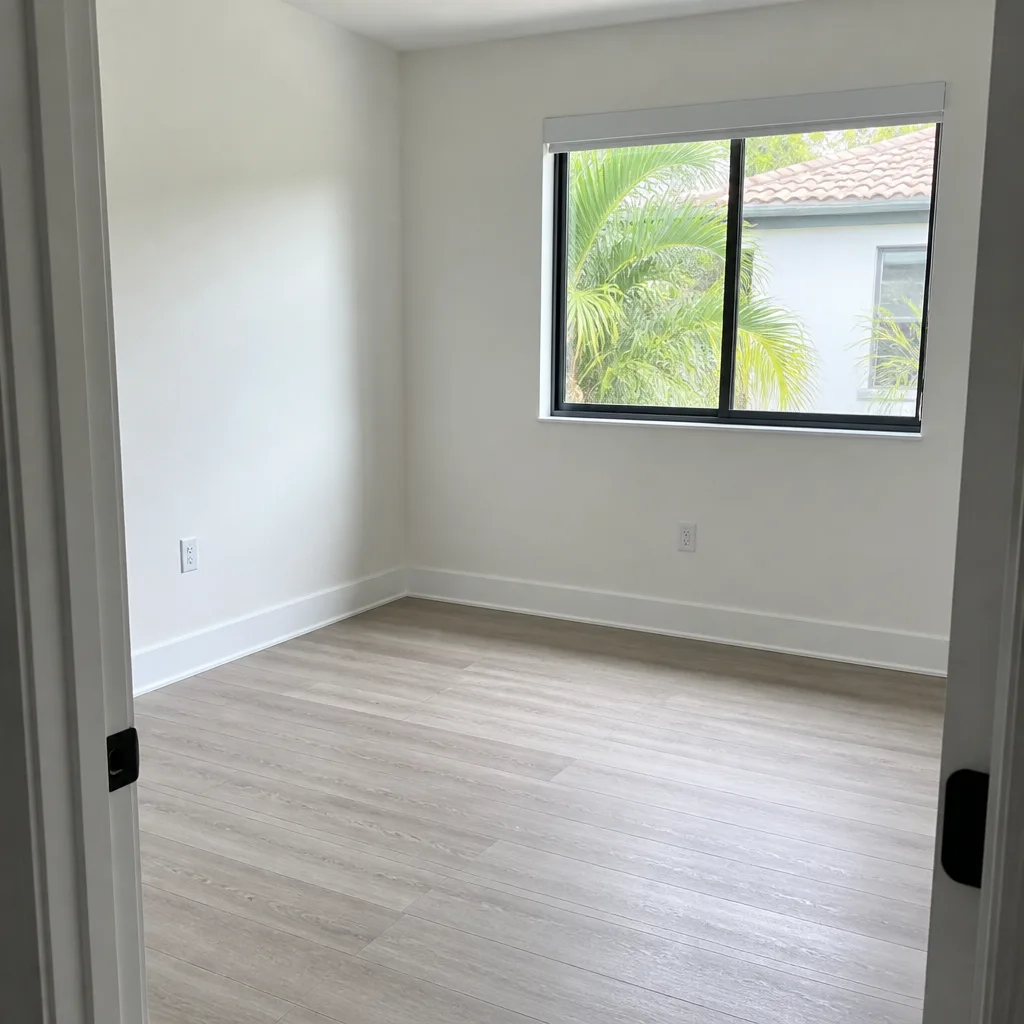 After
After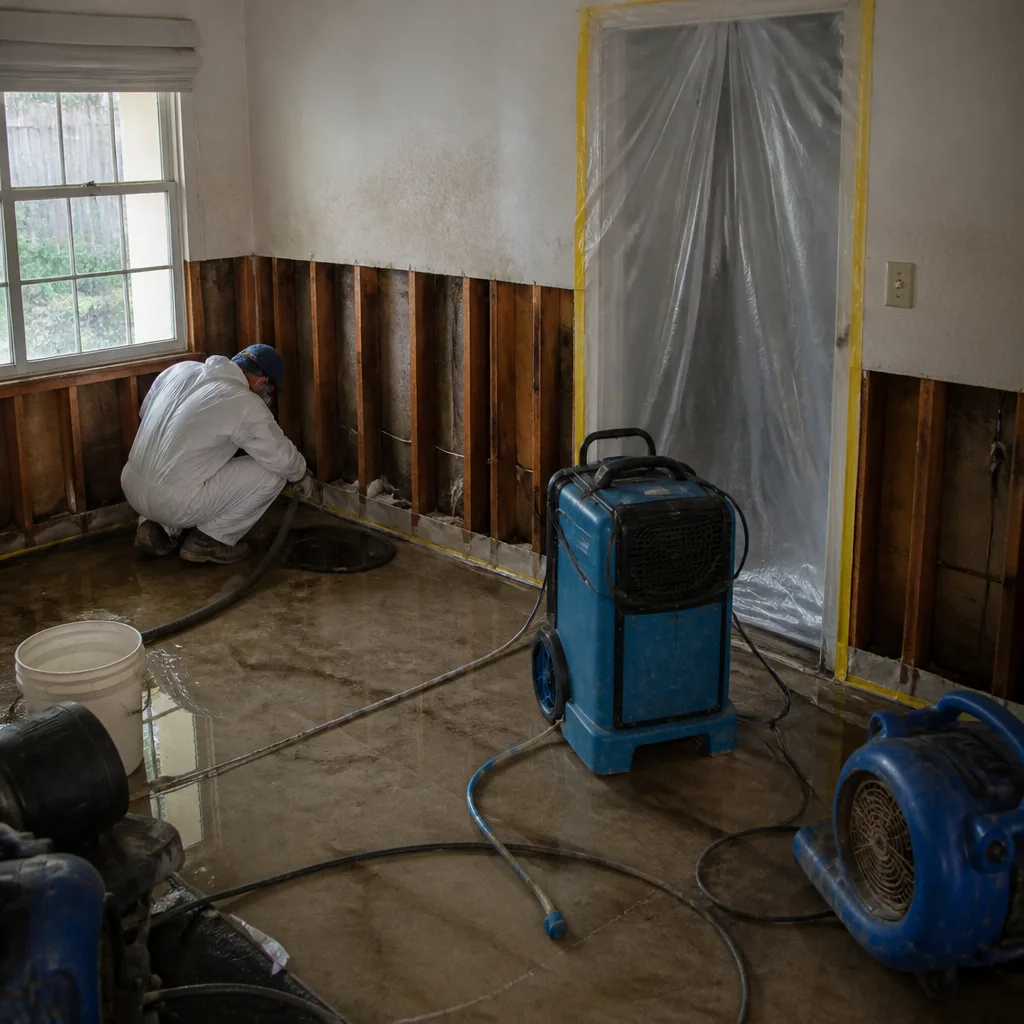 Before
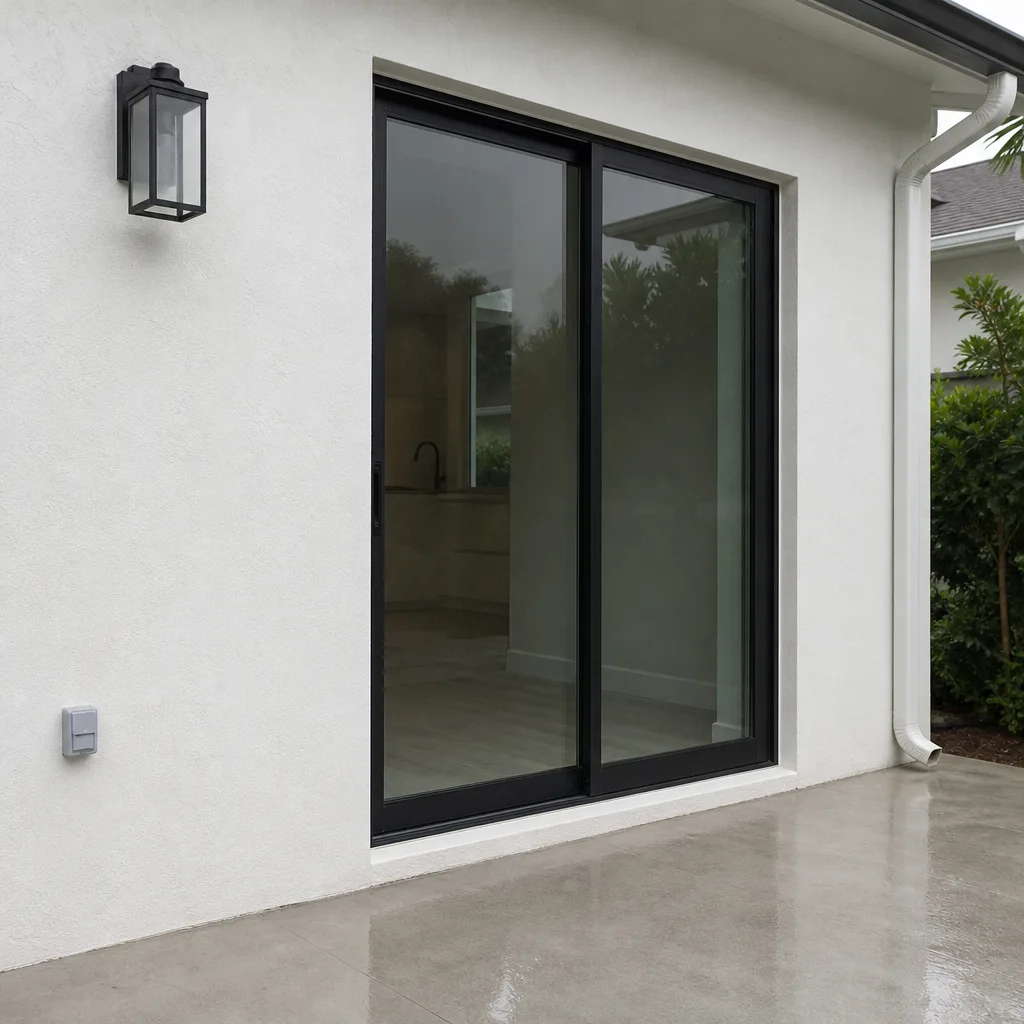 After
AfterMold Removal in Fort Lauderdale, FL
Mold removal in Fort Lauderdale homes typically runs between $1,200 and $3,400 when the affected area is confined to a single room or bathroom, and climbs from there when moisture has spread behind drywall or into flooring. Most of the jobs we handle in neighborhoods like Victoria Park, Rio Vista, and Coral Ridge are finished in one to three days, with the heaviest work happening on day one. If what you’re looking at proves to be the kind of problem that requires full-scale Mold Remediation in Fort Lauderdale, the process expands beyond surface removal into structural drying and containment, but many homeowners catch things early enough that removal plus targeted drying does the job.
We’re Marsh Water Damage Fort Lauderdale, and we’ve been handling mold and water problems here since 2005. Our technicians hold IICRC, RIA, and IFA credentials, and we run professional drying gear from Dri-Eaz and Phoenix on residential jobs, the same equipment commercial restoration crews deploy on large losses. Call us at (754) 755-2815 and a live person picks up, any hour.
When You Need Mold Removal
Mold removal is the physical work of cleaning and disposing of mold growth from surfaces inside your home. It’s distinct from full mold remediation, which also addresses the moisture source, air quality, and structural drying. If you’re noticing any of the following, you’re likely in removal territory:
- Black or green spotting on bathroom ceilings or around window frames. In Fort Lauderdale’s humidity, bathrooms without proper exhaust ventilation grow surface mold within weeks, especially during summer months when interior humidity sits above 60%.
- A musty, earthy smell that lingers without an obvious source. This often points to mold behind baseboards or inside wall cavities, particularly in homes near canals or along Las Olas where water tables are high.
- Mold returning within days of cleaning it yourself. Surface cleaning rarely addresses the moisture feeding the growth. If it’s back in a week, the colony extends deeper than the visible patch.
- Recent water intrusion from a leak, overflow, or storm surge. Fort Lauderdale’s summer storms and aging plumbing create ideal conditions. If materials stayed wet for more than 48 hours before drying, mold has a head start.
- Discoloration on drywall after a roof leak or AC condensate issue. South Florida AC systems run nearly year-round. A clogged condensate line in a utility closet can saturate drywall and feed hidden growth for months before anyone notices.
- Allergy symptoms that flare when you’re at home and ease when you leave. Sneezing, coughing, itchy eyes, or congestion that tracks with time spent in specific rooms is worth investigating.
One thing we tell every Fort Lauderdale homeowner: mold doesn’t go away on its own. It eats the material it’s growing on. The longer it sits, the more expensive removal becomes, because the colony spreads behind surfaces where you can’t see it.
Our Mold Removal Process
We follow a set sequence on every mold removal job, and we give you a written price before any of it begins. No surprises after demolition starts, no ballooning estimates. Here’s how it works:
- Inspection and moisture assessment. We locate visible mold and use moisture meters to find hidden pockets of water behind walls, under flooring, and inside cabinetry. This tells us how far the problem extends, not just what you can see on the surface.
- Containment setup. We seal off the affected area with plastic sheeting and run negative air pressure so mold spores don’t drift into unaffected rooms during removal. This matters for anyone living in the home while work proceeds.
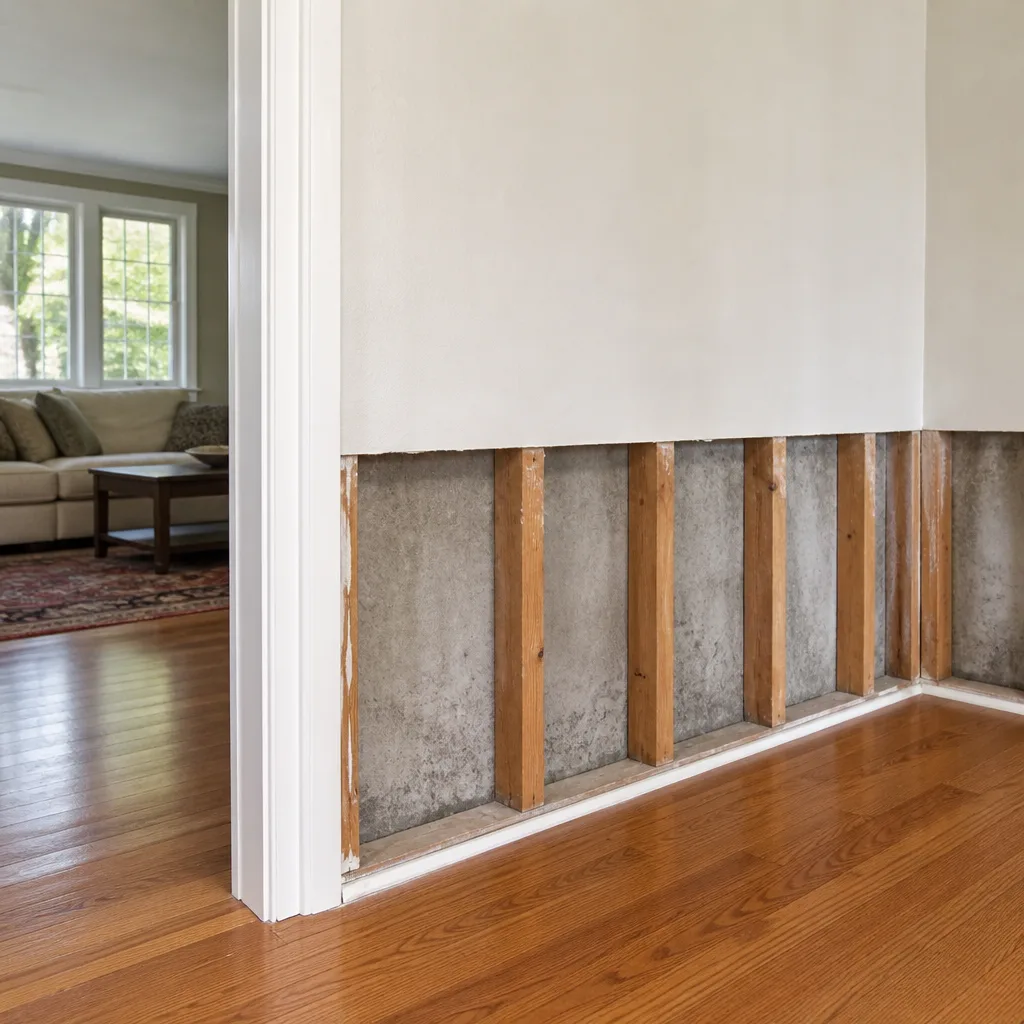
- Physical removal of contaminated materials. Porous materials, meaning drywall, insulation, carpet pad, and ceiling tile, usually get cut out and bagged for disposal rather than scrubbed. Non-porous surfaces like tile, glass, and finished wood can often be cleaned effectively with antimicrobial treatment.
- HEPA vacuuming and surface cleaning. After contaminated material is removed, we vacuum all exposed surfaces with HEPA equipment to capture spores and fine debris, then apply EPA-registered antimicrobial treatments to the remaining structure.
- Targeted drying with professional equipment. We set up air movers and dehumidifiers, including Dri-Eaz and Phoenix units, to pull residual moisture from the surrounding structure. Drying is a science, and our techs take psychrometric readings, which is measuring the moisture in air and materials, to confirm the area is genuinely dry, not just dry to the touch.
- Clearance check and documentation. Before we pack up, we re-test moisture levels in walls, floors, and air. You get a written summary of what was removed, what was treated, and what the readings show. And all of it falls under our 365-Day Done Right Promise.
Mold Removal Pricing in Fort Lauderdale
Mold removal costs vary based on three things: how much surface area is affected, whether contaminated material needs to be physically removed or can be cleaned in place, and whether drying equipment needs to run for multiple days. Here’s what we see in Fort Lauderdale homes right now:
- Small bathroom or closet mold (under 10 square feet): $1,200 to $1,800. Containment, removal, antimicrobial treatment, and overnight drying.
- Single room with moderate growth (10 to 30 square feet): $1,800 to $2,800. Includes physical removal of affected drywall or ceiling material, disposal, and 2 to 3 days of drying equipment.
- Larger area or multiple rooms (30 to 100 square feet): $2,800 to $4,500. More containment, more material disposal, and longer equipment runs.
- Whole-home mold from a major water event or long-standing leak: $4,500 and up. These jobs often tip into full remediation, which includes structural drying, air scrubbing, and rebuild coordination.
Here’s the honest variable: mold behind drywall costs more than mold on drywall, because opening walls and properly disposing of contaminated material is more labor than surface treatment. If your ceiling has a dark stain from a roof leak, that’s a removal job. If the stain is soft and spreading, expect us to open it up and remove the cavity material.
Every quote we give is a written price before any work starts. We don’t change the number after demo begins. If it turns out the scope is bigger than the estimate, we stop, show you what we found, and give you a revised written price before proceeding. Call (754) 755-2815 and we’ll send someone out for a free estimate, usually same day.
FAQs – Mold Removal
Is mold removal covered by homeowners insurance in Fort Lauderdale?
Homeowners insurance typically covers mold removal when it results from a covered peril, such as a sudden pipe burst, storm damage, or a roof leak from wind-driven rain, but most policies exclude mold caused by long-term humidity or neglected maintenance. We’re happy to work directly with your adjuster. Call (754) 755-2815 and we’ll walk you through what your policy language likely covers before you file anything.
How long does mold removal take in a typical Fort Lauderdale home?
Most single-room mold removal jobs take one to three days. Day one is mold inspection and testing, containment, and the bulk of removal and treatment. Days two and three are drying and clearance verification. Larger jobs can run five to seven days.
Can I clean mold myself with bleach?
You can wipe surface mold off non-porous surfaces like tile or glass, but bleach doesn’t penetrate porous materials, and mold growing inside drywall, wood, or insulation needs physical removal to be resolved. If the mold covers more than a dinner plate or keeps coming back after cleaning, call us at (754) 755-2815. We’ll come assess it free.
What’s the difference between mold removal and mold remediation?
Mold removal is the physical cleaning and disposal of mold from surfaces. Mold remediation is a broader process that includes removal, but also addresses the moisture source, runs air filtration, and confirms structural dryness with psychrometric readings. Our mold remediation service covers the full scope when a job demands it.
Do I need to leave my home during mold removal?
For contained single-room jobs, you can usually stay in the home while we work. For larger removals with significant spore release, we may recommend vacating for a day or two. We’ll tell you straight what we’d do in your situation.
Who We Are
The name Marsh is intentional. A marsh is low, wet ground, water where it shouldn’t be. That’s exactly what our company deals with every day in Fort Lauderdale, and the name says so.
Marsh Water Damage Fort Lauderdale has been restoring water-damaged and mold-affected homes since 2005, as part of the Threshold Group family of restoration companies. Every technician who walks through your door is background-checked, identity-verified, uniformed, and photo-badged. Before a visit, we send you the technician’s name and photo so you know who that knock belongs to before it happens. That’s our Threshold Verified standard, and it applies to every visit, not just first impressions.
Our work is backed by the 365-Day Done Right Promise. If the repair is not right within a full year, we make it right, and a free second visit is included automatically. It’s printed on every work order, not as marketing language but as a standing commitment. And when you call (754) 755-2815, a live person answers. No voicemail, no callback queue, no chatbot. Ever.
Written by Tobias Reyner, Owner at Marsh Water Damage Fort Lauderdale, serving Fort Lauderdale.