

 Water damage drying
 Fire & smoke cleanup
 Mold remediation
 Storm response
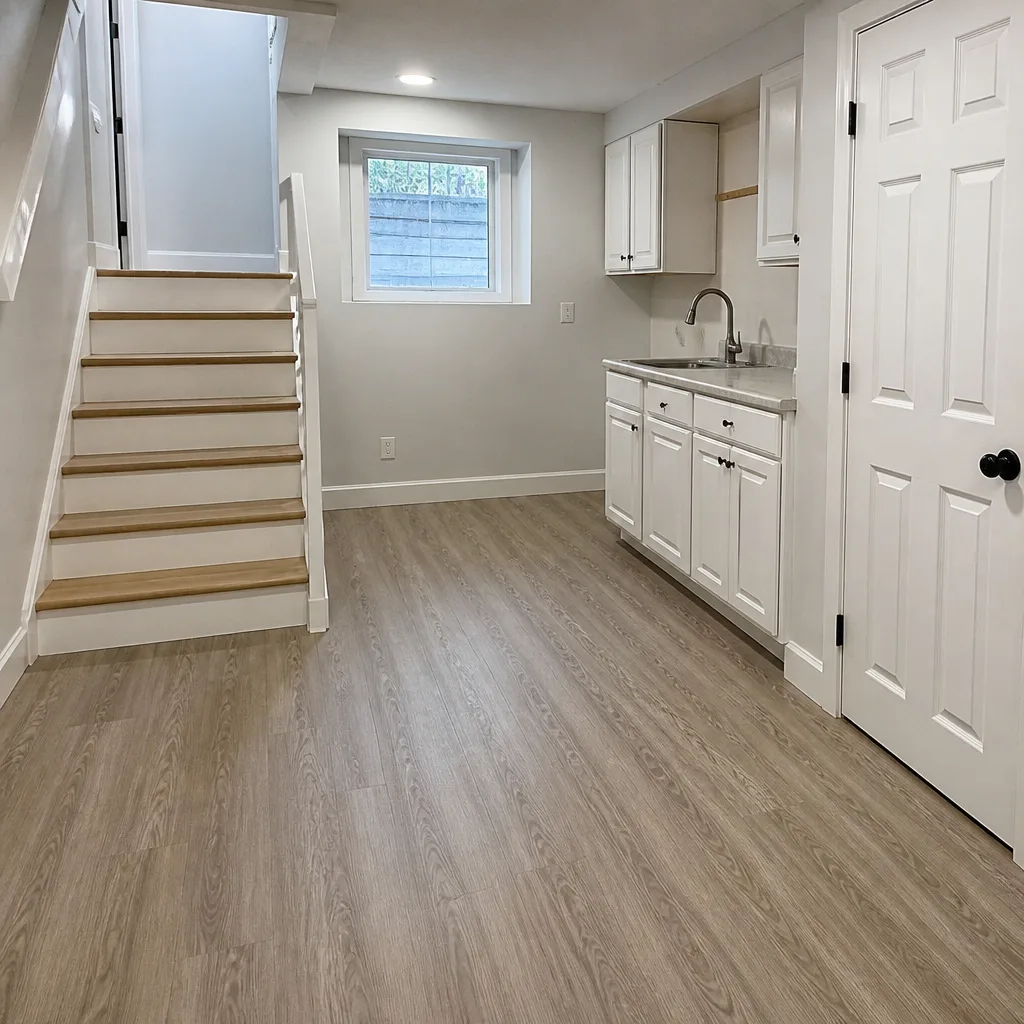 Sewage cleanup
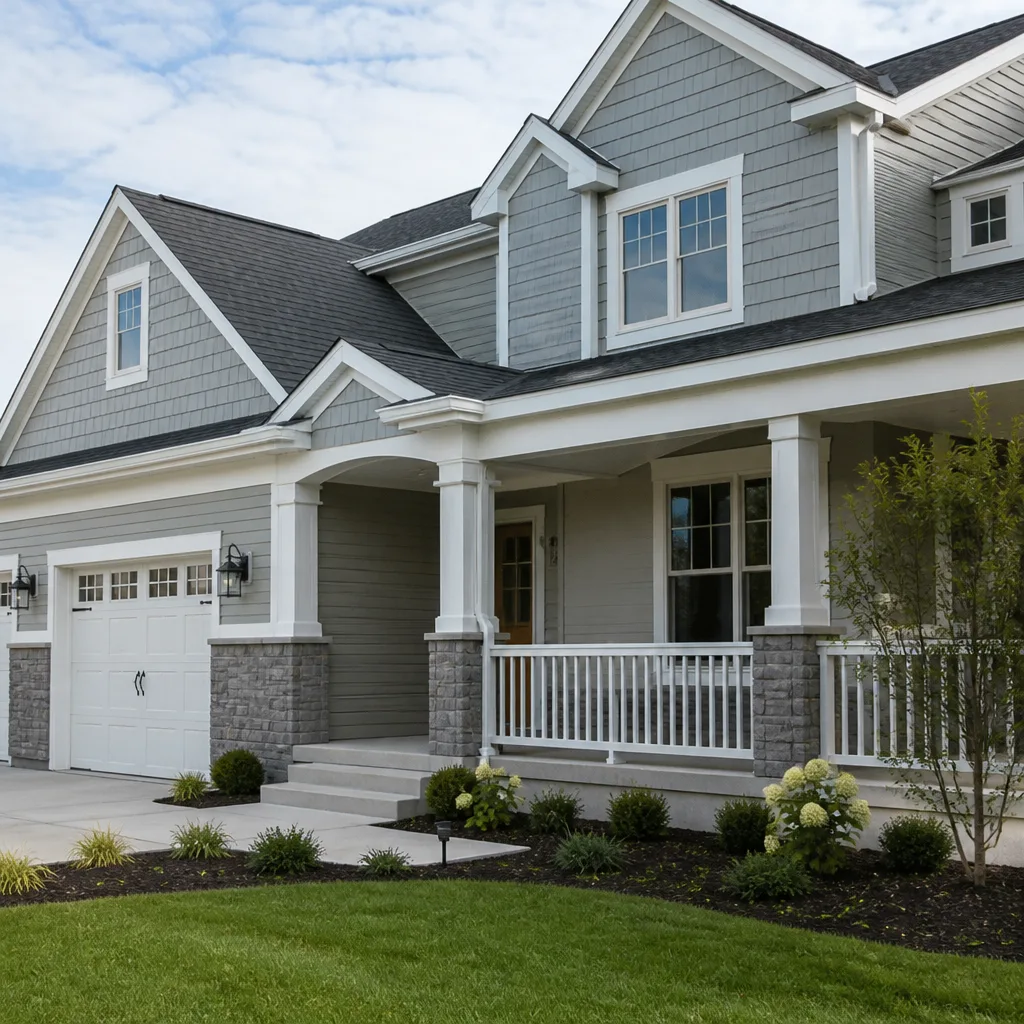 Reconstruction
Free visual inspection and a written scope of work before any mitigation begins - photos, moisture readings, and drying logs go in your claim file
The scope we write is the scope we bill. Anything new gets shown to you, in writing, before we touch it.
Get your free estimateRestoration work we handle
See the difference
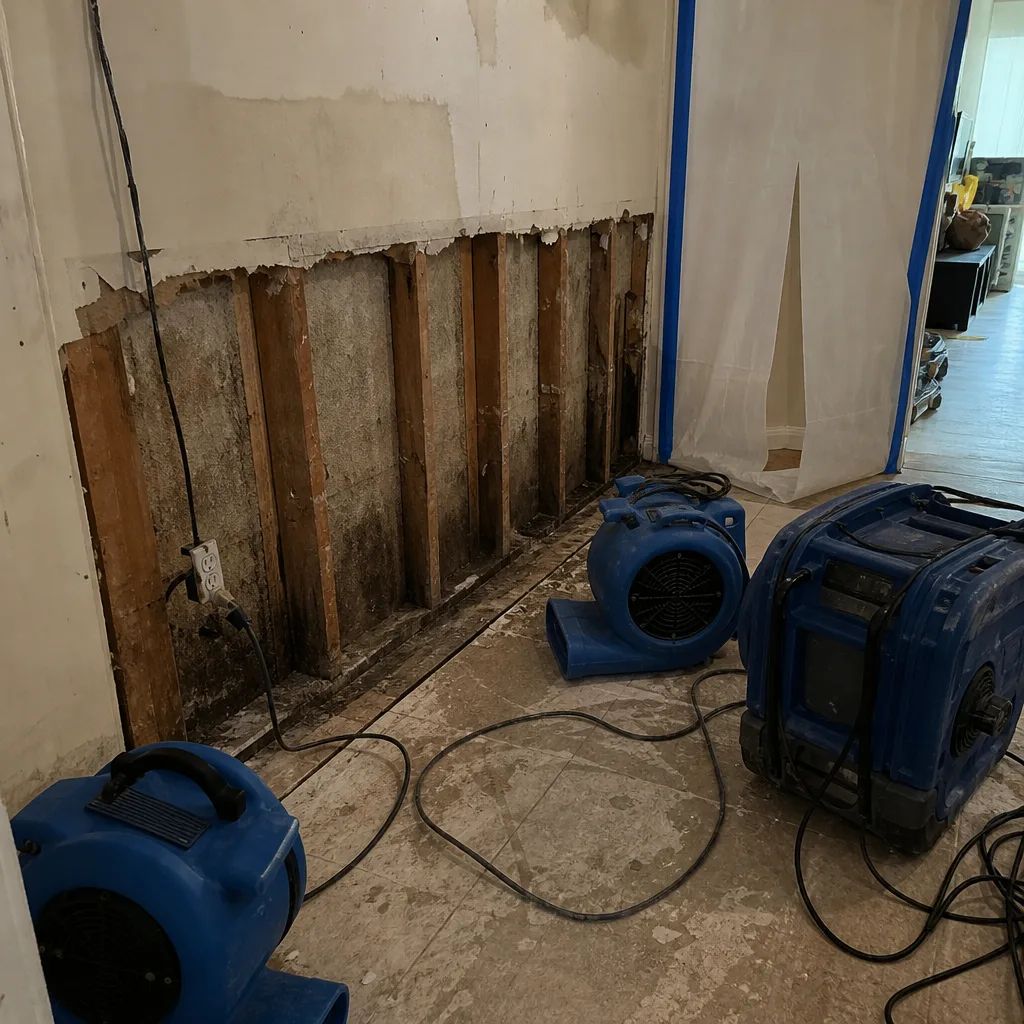 Before
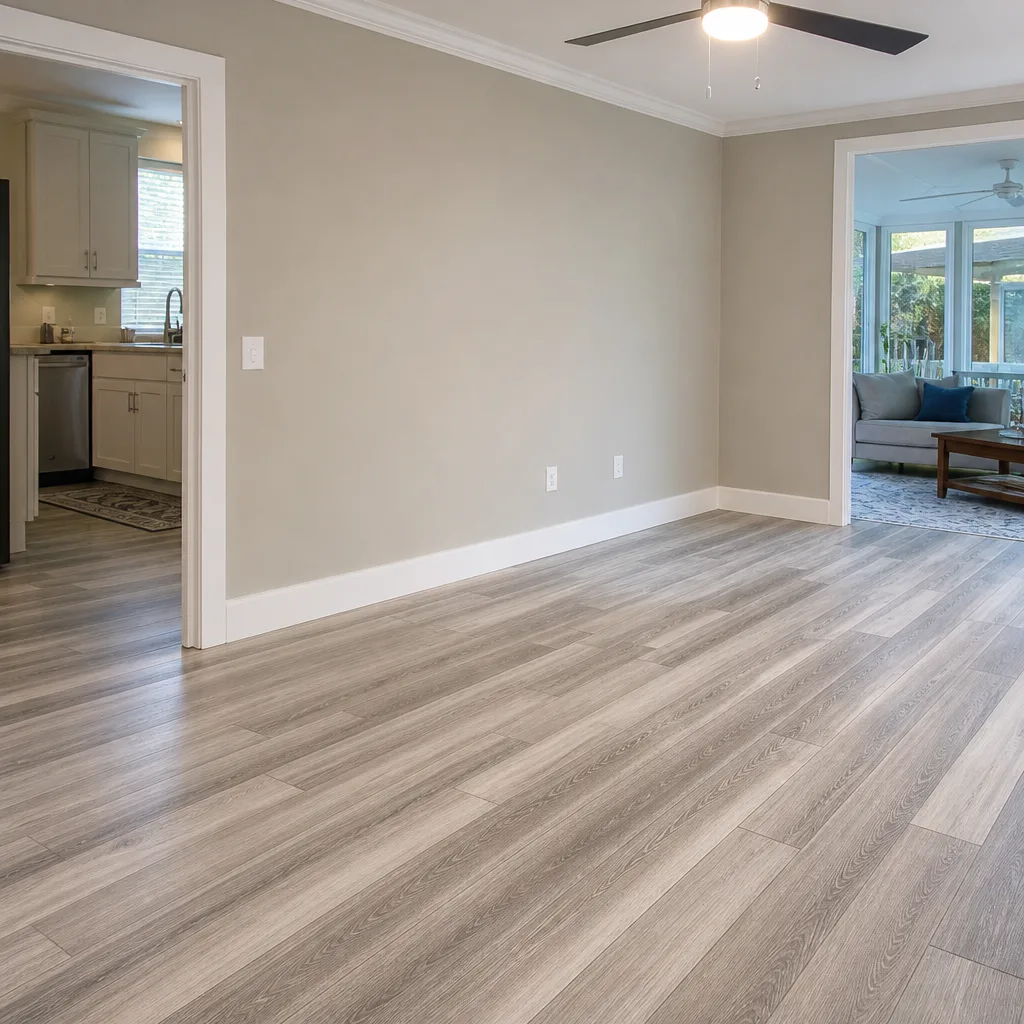 After
After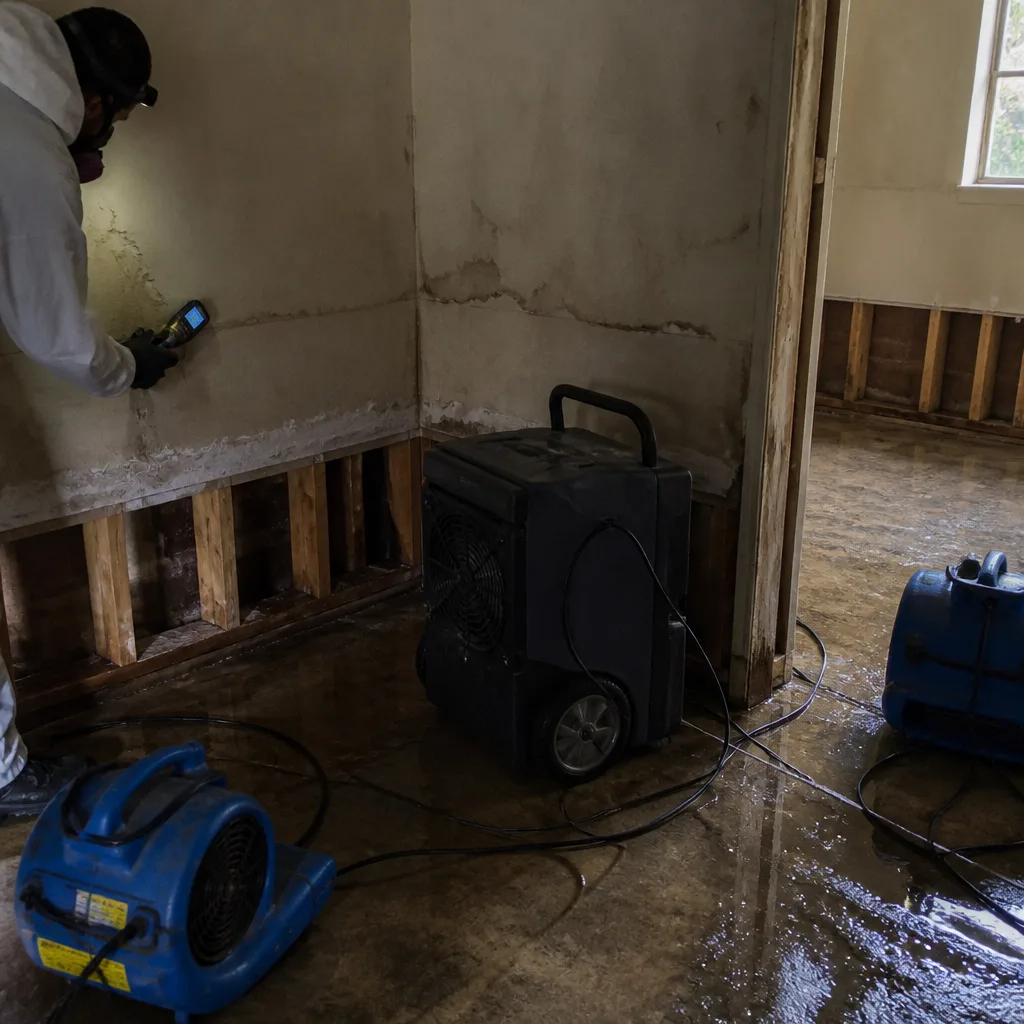 Before
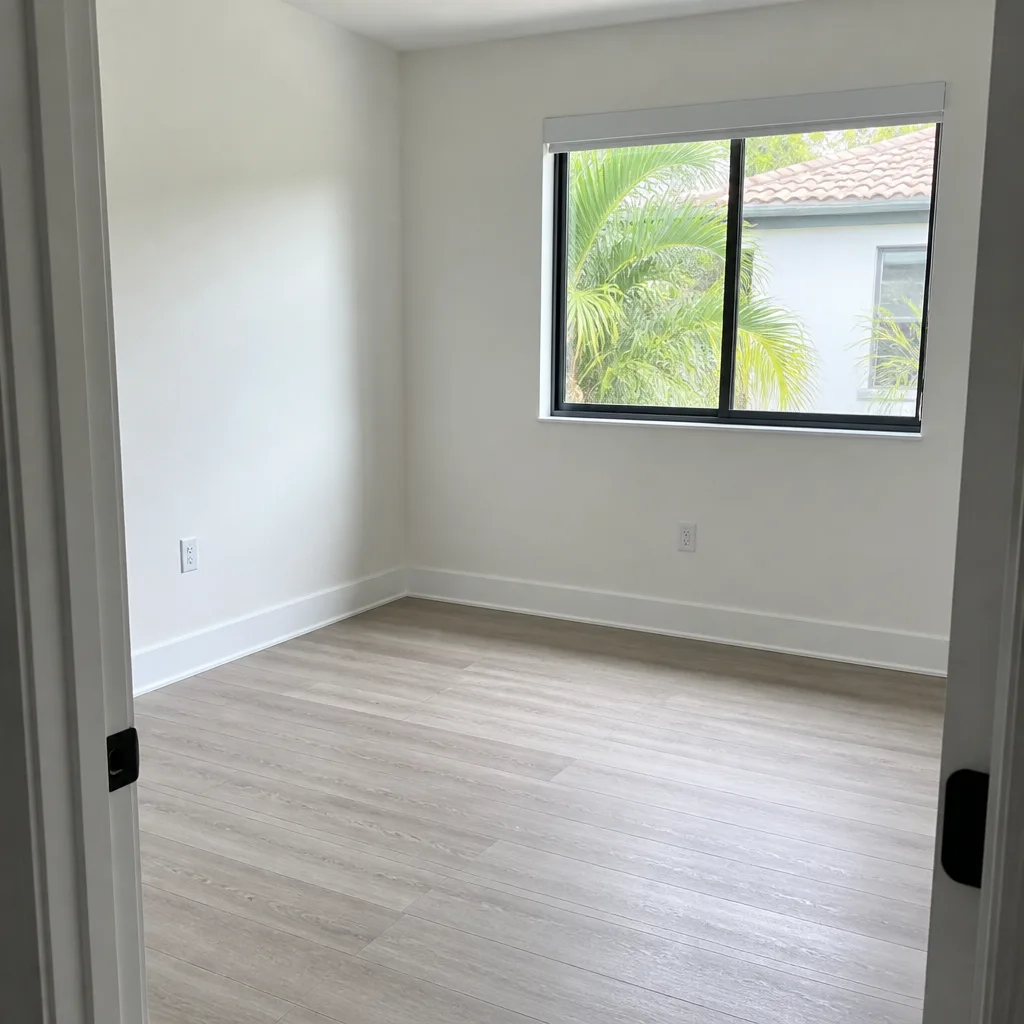 After
After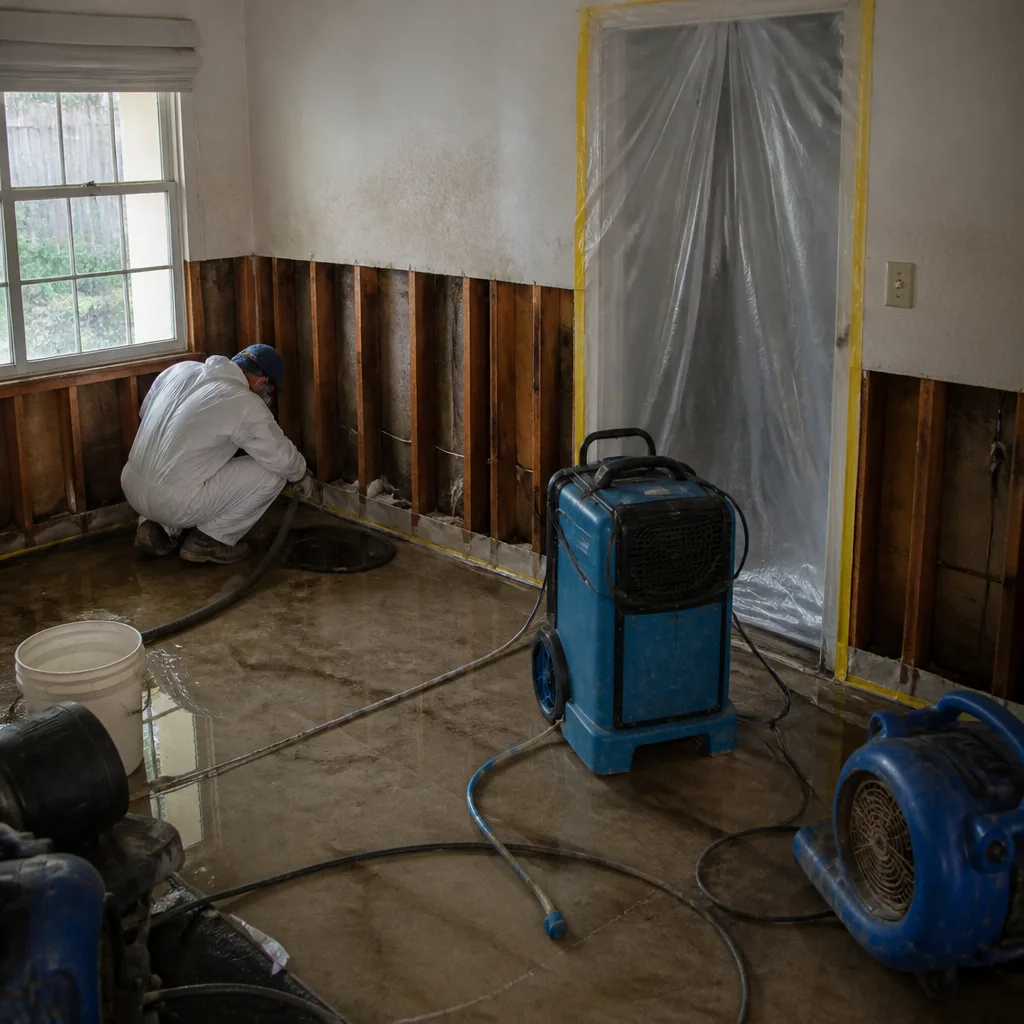 Before
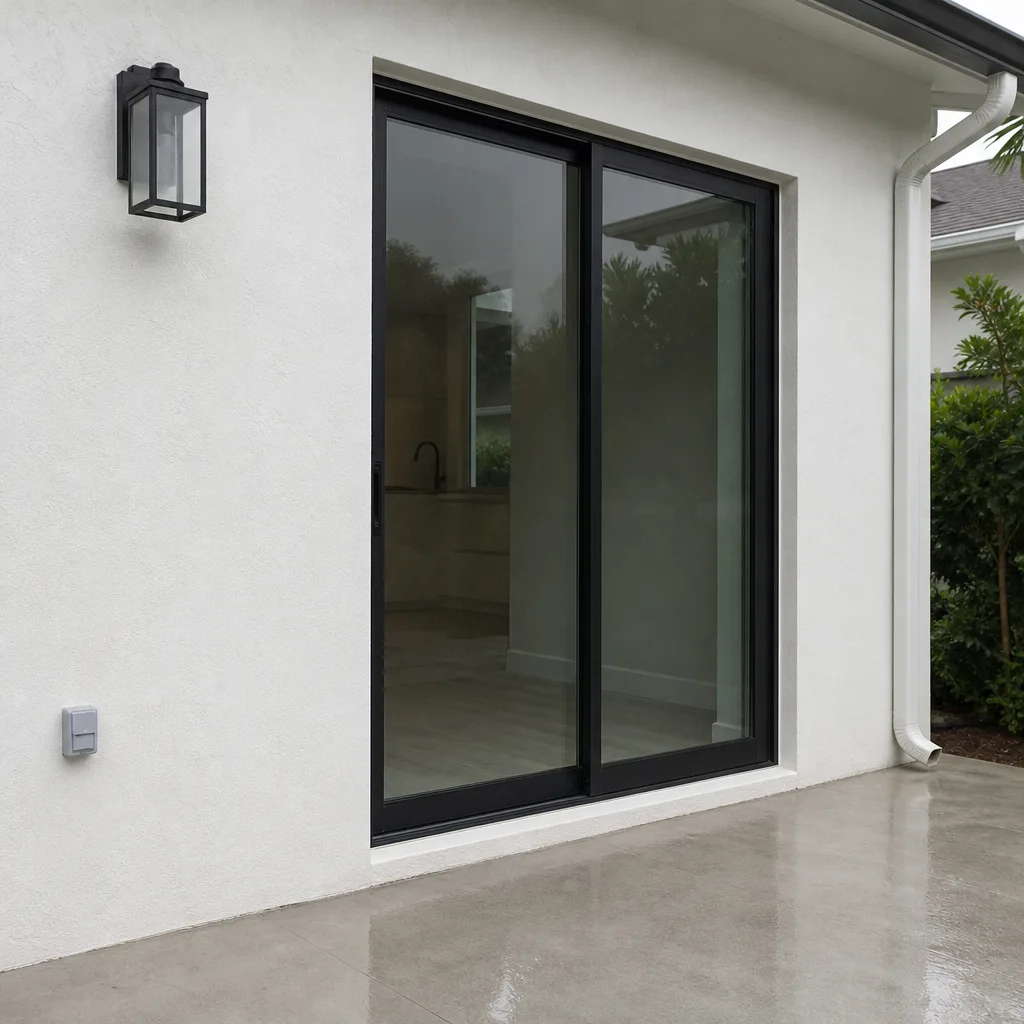 After
AfterHow Much Does Water Damage Restoration Cost in Fort Lauderdale?
Most residential Water Damage Restoration services in Fort Lauderdale run between $2,400 and $7,800 in 2026, with the citywide average sitting near $4,100. Small, contained leaks that get caught fast, like a supply line under a bathroom sink, can cost as little as $900 to $1,600. A full Category 3 (sewage or floodwater) remediation across multiple rooms with structural drying and rebuild work routinely lands between $12,000 and $28,000.
Those numbers include water extraction, drying equipment, labor, antimicrobial treatment, and basic repairs. They don’t include rebuild work like drywall replacement, flooring, or cabinetry, which gets priced separately once everything is dry. You’ll find a detailed line-item breakdown below, along with the factors that move Fort Lauderdale pricing up or down.
Written by Tobias Reyner, Owner at Marsh Water Damage Fort Lauderdale, serving Fort Lauderdale since 2005.
Key Takeaways
- Average residential water damage restoration in Fort Lauderdale: $4,100, with most jobs falling between $2,400 and $7,800.
- Clean water (Category 1) jobs cost the least. Sewage and floodwater (Category 3) can triple the bill.
- Fort Lauderdale’s humidity, older 1950s-1970s slab homes, and hurricane season all shape local pricing.
- You’ll get a written price before any work starts at Marsh. No estimate that balloons after demo begins.
- Call (754) 755-2815 for a free estimate. A live person answers, 24/7, including holidays.
Water Damage Restoration Cost Breakdown (2026)
Here’s what each phase of the job typically costs in the Fort Lauderdale market. These ranges come from actual jobs we’ve priced across the city, from Coral Ridge to Victoria Park to Melrose Manors.
| Service | Typical Range | What It Includes |
|---|---|---|
| Emergency water extraction | $425 – $1,400 | Removing standing water with truck-mounted or portable extraction units. Priced by square footage of affected area and water volume. |
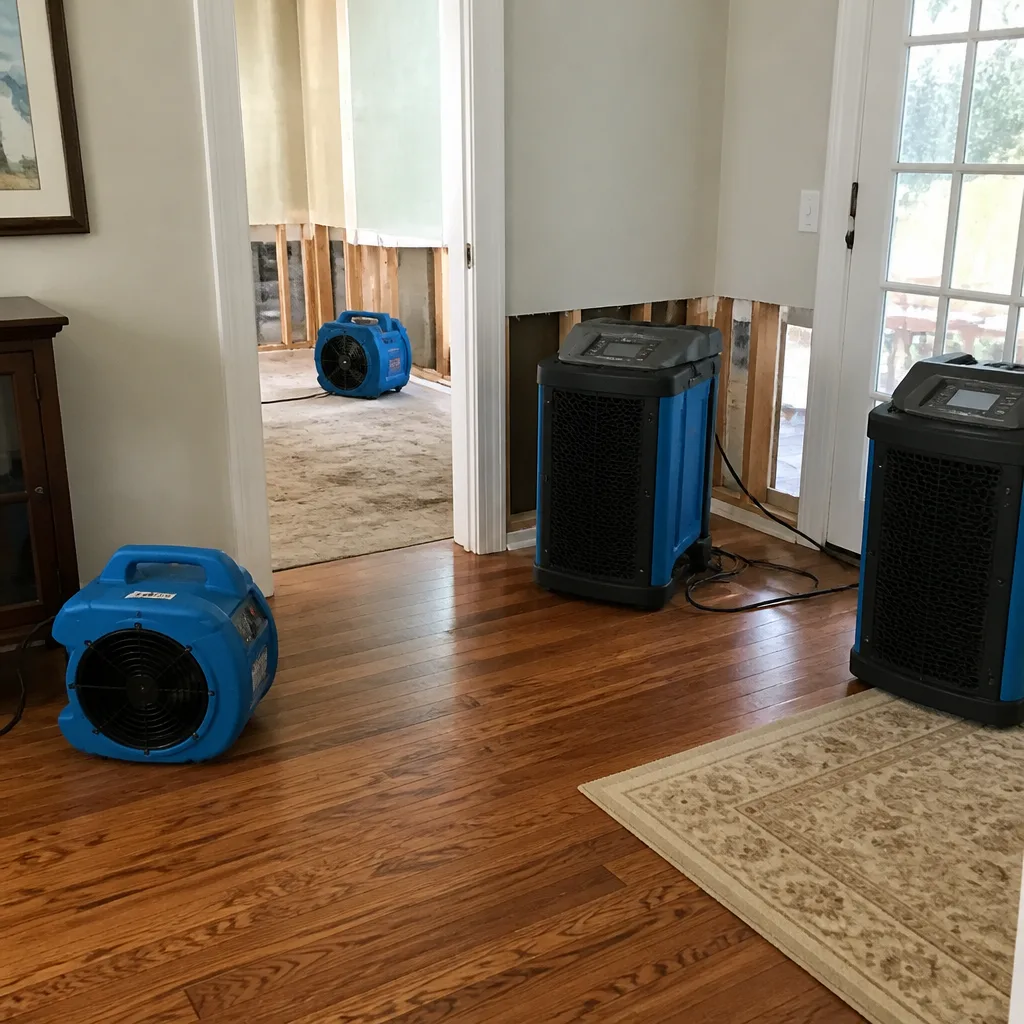
| Drying & dehumidification | $700 – $2,800 | Commercial air movers and dehumidifiers running for 3-7 days. Equipment from Dri-Eaz, Phoenix, XPOWER, and B-Air. |
| Moisture mapping & monitoring | $180 – $475 | Daily psychrometric readings (measuring the moisture in the air and building materials) using thermal imaging and penetrating meters. |
| Antimicrobial / anti-mold treatment | $250 – $1,100 | EPA-registered antimicrobials applied to affected framing, drywall, and subfloors before mold gets a foothold. |
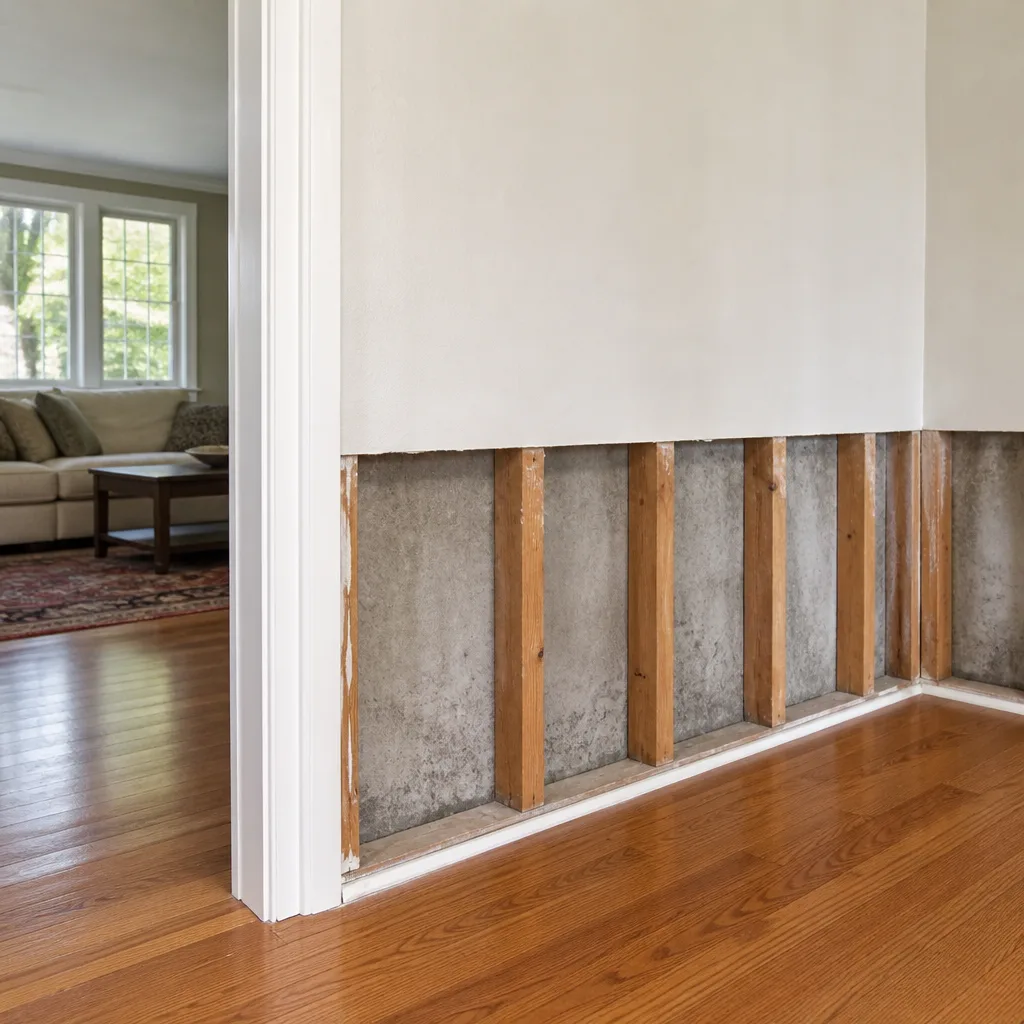
| Drywall removal & disposal | $1.75 – $3.25 per sq. ft. | Cutting out saturated drywall, hauling debris, and setting up containment barriers. Fort Lauderdale disposal fees included. |
| Baseboard & trim removal | $95 – $325 per room | Removing damaged trim before drying starts, plus reinstallation if salvageable. |
| Flooring removal (tile, wood, carpet) | $2.50 – $5.50 per sq. ft. | Lifting waterlogged flooring. Terrazzo and tile set in mortar beds on 1950s slab homes often cost more to remove cleanly. |
| Category 3 / sewage cleanup | $8,000 – $28,000+ | Contaminated water removal, full containment, material disposal, antimicrobial treatment, and structural drying under negative air pressure. |
| Mold remediation (if needed) | $1,800 – $9,500 | Containment, HEPA air filtration, removal of affected materials, and clearance testing. Priced by the square foot of visible growth. |
These are real Fort Lauderdale prices, not national averages. Our market runs higher than, say, Ocala or Lakeland because of local labor rates, flood-zone construction standards, and the simple fact that everything dries slower in 80% humidity. When you call Marsh for water damage restoration in Fort Lauderdale, the price you’re quoted is the price you pay. It’s printed on the work order before any equipment comes off the truck.
What Drives Cost Up or Down
Two jobs with the same square footage can price out $6,000 apart. Here’s what separates them.
- Water category matters more than water volume. Clean water from a burst supply line is Category 1. Water that sat for days, water from a toilet overflow, or water that came in through a storm drain is Category 2 or 3. Category 3 requires full containment, material disposal, and far more labor.
- How long the water sat before you called. A leak caught within the hour wets drywall and that’s it. A leak that ran all weekend migrates into subfloors, base plates, cabinets, and the concrete slab itself. Drying time doubles or triples.
- Whether your home is on a slab or raised. Most 1950s-1970s Fort Lauderdale homes sit on concrete slabs with plumbing run in or under the slab. Water in a slab means chasing moisture through channels that don’t dry on their own. Raised homes drain and dry faster.
- Your drywall type and finish level. Knockdown or orange-peel texture costs more to match after replacement than flat finish. Homes in Rio Vista and Las Olas Isles with higher-end finishes see higher rebuild line items.
What Affects Water Damage Restoration Pricing in Fort Lauderdale
- Proximity to salt water and flood zones. Homes east of US-1, particularly in Harbordale, Idlewyld, and the barrier island, sit in FEMA flood zones where water intrusion often carries salt, silt, and biological contaminants. Salt water corrodes metal framing hardware and electrical components faster, so those jobs require more aggressive treatment and more replacement parts.
- Hurricane season response demand. From June through November, a heavy rain event can drop 6 to 10 inches on parts of the city in hours. Restoration crews get booked solid within a morning. Same-day response holds steady, but multi-unit and multi-room jobs get triaged. Pricing stays consistent; scheduling flexes.
- The age of the home’s plumbing. A large share of Fort Lauderdale’s single-family housing stock was built before 1980, and much of it still runs on original galvanized or polybutylene supply lines. Those fail without warning. The restoration cost is the same regardless of pipe type, but customers with older plumbing should expect the source repair (plumber’s line item, separate from ours) to add $400 to $1,800.
- Slab construction and moisture migration. Fort Lauderdale’s high water table means the soil under a slab never truly dries. Once water gets under flooring on a slab home, it migrates laterally through the slab’s capillary channels. Drying a slab home takes longer and uses more equipment, which raises the drying line item compared to a crawlspace home of the same size.
- Condo and high-rise access. Restoration in a Fort Lauderdale condo building means loading equipment through freight elevators, coordinating with management, and often working under strict noise and hours rules. Elevator scheduling delays and long hose pulls from the truck to the unit add labor time, and therefore cost.
- Municipal code and permitting. Fort Lauderdale requires permits for structural work that goes beyond cosmetic finish replacement. If dried-in-place framing survives, the job usually avoids permitting. If studs, subfloor, or electrical have to be replaced, the city permit and inspection process adds $350 to $1,200 and extends the timeline by days to weeks.
How Much Does Water Damage Restoration Cost by Water Category in Fort Lauderdale?
The Institute of Inspection, Cleaning, and Restoration Certification (IICRC) splits water into three categories. The category drives about half of your total price, because it dictates what gets dried versus what gets thrown away.
Category 1: Clean Water – $900 to $4,500
Supply line leaks, sink overflows, tub overflows, water heater pan leaks. The water starts clean, and if you call within 24 to 48 hours, the affected materials can usually be dried in place. Typical category 1 job: a supply line fails under a kitchen sink on a weeknight, you catch it within the hour, and a Burst Pipe Restoration crew extracts standing water from the cabinet area and adjacent flooring. Cost: $900 to $2,200. If the same leak runs overnight and soaks drywall, base cabinetry, and the subfloor, expect $2,200 to $4,500.
Category 2: Gray Water – $3,000 to $9,000
Water with significant biological or chemical contamination. Washing machine discharge, dishwasher overflow, toilet overflow with urine only, aquarium leaks. Gray water requires removal and disposal of porous materials that absorbed it: carpet pad always goes, and drywall below the water line usually follows. Typical category 2 job in Fort Lauderdale: a second-floor washing machine drain backs up and soaks the laundry room floor, the ceiling below it, and a hallway. Cost: $3,000 to $7,500. Larger jobs with multiple rooms affected push toward $9,000.
Category 3: Black Water – $8,000 to $28,000+
Sewage, floodwater, canal water, storm surge, or any water that sat long enough to grow bacteria. Category 3 is a full containment job: plastic barriers, negative air pressure, HEPA air scrubbers, and disposal of anything porous the water touched. Carpet, pad, drywall, insulation, baseboards, and lower cabinet runs all go. Typical category 3 job: a sewage line backs up through a floor drain in a Fort Lauderdale home’s utility room, flooding the room and the adjacent garage. Cost: $8,000 to $16,000. A storm surge event that floods a Basement Water Removal ground floor in Edgewood or Shady Banks pushes the same job to $18,000 to $28,000 because of the square footage involved.
Fort Lauderdale-Specific Pricing Factors You Don’t Find in National Guides
When you read a national water damage pricing guide, you’re reading averages that lump in dry climates and new construction. Fort Lauderdale has its own cost DNA.
Humidity Extends Drying Time
Outside air in Fort Lauderdale runs 70 to 85 percent relative humidity most of the year. The goal of structural drying is to lower the moisture content of building materials to below 16 percent, and in a climate where the outside air is nearly saturated, every day of drying costs slightly more than it would in a dry climate. Where a restoration company in Phoenix runs dehumidifiers for 3 days, a Fort Lauderdale crew runs them for 5 to 7 on the same size loss. That’s $400 to $900 in additional equipment days, and it’s priced into local quotes accordingly.
1950s-1970s Slab Homes on High Water Tables
Much of Fort Lauderdale’s single-family housing fabric dates from the post-war building boom, and water tables in many neighborhoods sit within 3 to 5 feet of grade. A slab on saturated soil never fully dries from below, so moisture wicking up through the slab after a water event is a real concern. We check for it with penetrating moisture meters on every slab job, because a dry top layer of concrete can hide a wet slab that will ruin new flooring in six months. That check is standard on our jobs; it’s an add-on with some companies.
Insurance Payout Rates and Deductibles
Fort Lauderdale homeowners’ insurance carries higher water damage deductibles than most of the country, typically $1,000 to $5,000 on water loss endorsements. That matters when you’re deciding whether to file a claim. If your restoration estimate is $3,200 and your deductible is $2,500, filing a claim may not be worth the premium increase. We tell customers that plainly, because the right answer is math, not marketing.
How to Save on Water Damage Restoration
Saving money on restoration starts before the water even shows up, but most of the levers are available to you the moment you notice the leak.
- Call immediately. The single biggest cost multiplier is time. Water that gets extracted and dried within the first few hours damages far less material, and dried-in-place material costs a fraction of replacement. A leak caught at 2 p.m. might be a $1,800 job. The same leak found at 2 a.m. the next day might be a $5,000 job. (754) 755-2815 is answered by a live person around the clock, so there’s no penalty for calling at 3 a.m.
- Stop the source before we arrive. If you can safely shut off the water at the fixture, an angle stop, or the main shutoff, do it. Every minute the water keeps running adds square footage to the loss. If you can’t find the shutoff, describe the leak to the dispatcher and we’ll walk you through it on the phone.
- Move your belongings out of the wet area. Furniture, rugs, electronics, and stored boxes that get wet either get thrown away or add to the drying bill. Move what you can lift safely to a dry room. Leave the heavy stuff for the crew.
- File an insurance claim only when the math works. Compare the estimate against your deductible before you file. If the loss is $2,800 and your deductible is $2,500, you’ll save $300 by filing and potentially see a premium increase for years. Sometimes paying out of pocket is the cheaper long-term move.
- Get the full price in writing before work starts. A written price protects you from the single most common cost complaint in this industry: the number that grows after demolition begins. At Marsh, the price is printed on the work order before any equipment comes off the truck. If the scope changes because we found something behind a wall, we stop, show you what we found, and reprice before any additional work happens.
- Ask about drying in place vs. full removal. Some materials can be saved if they’re dried quickly and treated properly. A restoration company that defaults to gutting everything runs your bill up. A company that defaults to drying everything can leave you with hidden moisture and a mold problem next year. The right answer is moisture-mapping evidence, taken with meters and thermal cameras, telling us which materials can be saved and which have to go.
How the Marsh Process Works (and What It Costs at Each Step)
You’ll see our pricing structure reflected in how we work. Every job follows the same staged process, and each stage carries a line item on the written estimate.
- Assessment and moisture mapping – $0 (included with your free estimate). We arrive, assess the source, and map the moisture using thermal imaging and penetrating meters. You get a written price for the full scope before any work begins. No charge for this visit, and no obligation.
- Water extraction – $425 to $1,400. Standing water comes out using truck-mounted extraction where access allows, portable extraction where it doesn’t. This typically takes 2 to 4 hours on a single-room loss.
- Equipment setup and drying – $700 to $2,800. Air movers and dehumidifiers are placed based on the moisture map, not just scattered around the room. We calculate cubic feet per minute (CFM) and pints per day of dehumidification from the Dri-Eaz, Phoenix, XPOWER, and B-Air units we deploy.
- Daily monitoring – 3 to 7 visits, included in the drying line item. We return daily to take psychrometric readings and reposition equipment as the moisture gradient shifts. The equipment comes out when the numbers say the structure is dry, not when a calendar day passes.
- Antimicrobial application – $250 to $1,100. All affected porous surfaces get treated with an EPA-registered antimicrobial before rebuild starts. This is standard on every job, not an add-on you have to request.
- Rebuild and repair – priced separately, quoted before work begins. Drywall, trim, paint, and flooring repairs are quoted as a separate line item once drying is complete. We know what needs to be done by that point, so there’s no guesswork in the number.
Who Is Showing Up at Your Door: The Threshold Verified Standard
Cost is one anxiety. The stranger at the door is the other. Marsh was built to remove both at once.
Every technician who arrives at your Fort Lauderdale home has passed a background check, been identity-verified, and is sent to you by name and photo before the visit. When the knock comes, that same person shows a photo ID badge at the door, every time. The Threshold Verified standard runs in five steps: verify identity, verify background, verify credentials, confirm before dispatch by name and photo, and re-confirm at the door with badge in hand. That’s not a customer-service gesture. It’s an operational procedure applied to every visit, on every job, without exception.
Our technical team holds credentials from the IICRC (the Institute of Inspection, Cleaning, and Restoration Certification), the RIA (Restoration Industry Association), and the IFA (International Flood Association). The equipment in our trucks, Dri-Eaz and Phoenix dehumidifiers, XPOWER and B-Air air movers, Injectidry injection drying systems, is the same gear used on large commercial losses. Fort Lauderdale’s mix of slab homes, high humidity, and salt air rewards crews that run serious equipment with certified operators, not homeowner-grade fans from a hardware store.
Every job carries a written price before work starts and a written guarantee on every repair. The 365-Day Done Right Promise is printed on the work order: if a repair is not right within one full year, Marsh makes it right. That means a free second visit is included automatically, not something you have to argue for. It’s time-stamped, documented, and standing. A marsh is low, wet ground, water where it shouldn’t be. We deal with it every day, and the name says so.
FAQs – Water Damage Restoration Cost
How much does water damage restoration cost in Fort Lauderdale in 2026?
Most Fort Lauderdale residential water damage restoration jobs run between $2,400 and $7,800, with the citywide average around $4,100. Small, clean-water leaks caught quickly start near $900. Category 3 sewage or floodwater jobs run $8,000 to $28,000+. Call (754) 755-2815 for an exact quote. Estimates are free, and a live person answers 24/7.
What does a water damage company charge per square foot?
In Fort Lauderdale, water extraction and drying run roughly $3.50 to $8.50 per square foot for the affected area. A 400-square-foot affected area typically prices between $1,400 and $3,400 for extraction and drying alone, before any material removal or rebuild. Drywall removal adds $1.75 to $3.25 per square foot of removed area.
Is it cheaper to repair or replace water-damaged drywall?
For drywall that has been wet for under 48 hours with clean water and dried properly, repair is almost always cheaper, typically $250 to $600 per affected wall section versus $700 to $1,400 to cut out, replace, tape, texture, and paint the same area. But drywall that wicked water upward more than 12 inches, or absorbed gray or black water, usually has to be replaced. The moisture meter reading decides it, not preference.
How much does a water damage insurance claim cost out of pocket in Fort Lauderdale?
Your out-of-pocket cost is your deductible, which on most Fort Lauderdale homeowners’ policies runs $1,000 to $5,000 for water loss endorsements, plus any depreciation the insurer applies to older materials. If your restoration estimate is under your deductible, filing a claim rarely makes sense. We’ll give you an itemized estimate you can take to your insurer, and we work directly with adjusters when a claim is filed.
Can you come today for water damage in Fort Lauderdale?
Yes. Marsh Water Damage Restoration Near Me in Fort Lauderdale, FL runs same-day and 24/7 emergency response year-round, including hurricane season and holidays. A live person answers (754) 755-2815 at any hour, a technician is dispatched by name and photo before arrival, and the assessment visit is free. Water damage doesn’t wait for business hours, and neither do we.
How much does it cost to dry out a room after water damage?
Drying a single affected room in Fort Lauderdale typically costs $700 to $2,800 for equipment and monitoring over 3 to 7 days. That includes air movers, dehumidifiers, daily moisture readings, and equipment repositioning. Rooms on slab foundations, with high humidity, or with Category 2 water fall on the higher end of that range.
Does Marsh water damage restoration require a deposit?
No. Marsh Water Damage Fort Lauderdale requires $0 down before work begins. You receive a written price before any equipment comes off the truck, and payment terms are printed on the work order. No deposit, no surprise fees, no scope creep without a reprice and your approval.
What if the repair fails after the job is done?
The 365-Day Done Right Promise covers every repair Marsh makes for one full year from the date of completion, with a free second visit included automatically. If a repair is not right within 365 days, we make it right. The guarantee is documented, time-stamped, and printed on every work order. It’s not conditional and it’s not a sales pitch.
Call Marsh Water Damage Fort Lauderdale for a Free Estimate
When water shows up where it doesn’t belong in Fort Lauderdale, the first call sets the tone for the whole job. You’ll reach a live person at (754) 755-2815, day or night, weekday or holiday. You’ll get a technician dispatched by name and photo before the visit, a photo ID badge shown at the door, and a written price before any work starts. Every job is backed by the 365-Day Done Right Promise, a free second visit if the repair fails, and equipment operated by IICRC-, RIA-, and IFA-credentialed technicians. Call now and get the estimate and the peace of a door knock you already know.
Written by Tobias Reyner, Owner at Marsh Water Damage Fort Lauderdale, serving Fort Lauderdale since 2005. Pricing reflects the Fort Lauderdale market as of 2026. Marsh Water Damage Fort Lauderdale offers free estimates. Call (754) 755-2815 for an exact quote.
What Our Customers Say
"Washing machine hose burst while we were out. The crew arrived with badges, set up fans and dehumidifiers, and checked the wall cavities with a moisture meter. Floors were dry in four days."
- Colleen A."They explained the whole drying plan on paper first, and the estimate matched the invoice. Pulled wet baseboards and cut out only what was needed."
- Terrence H."Mold test came back clean after their drying. Peace of mind for us."
- Lydia F.