
Last updated October 16, 2026
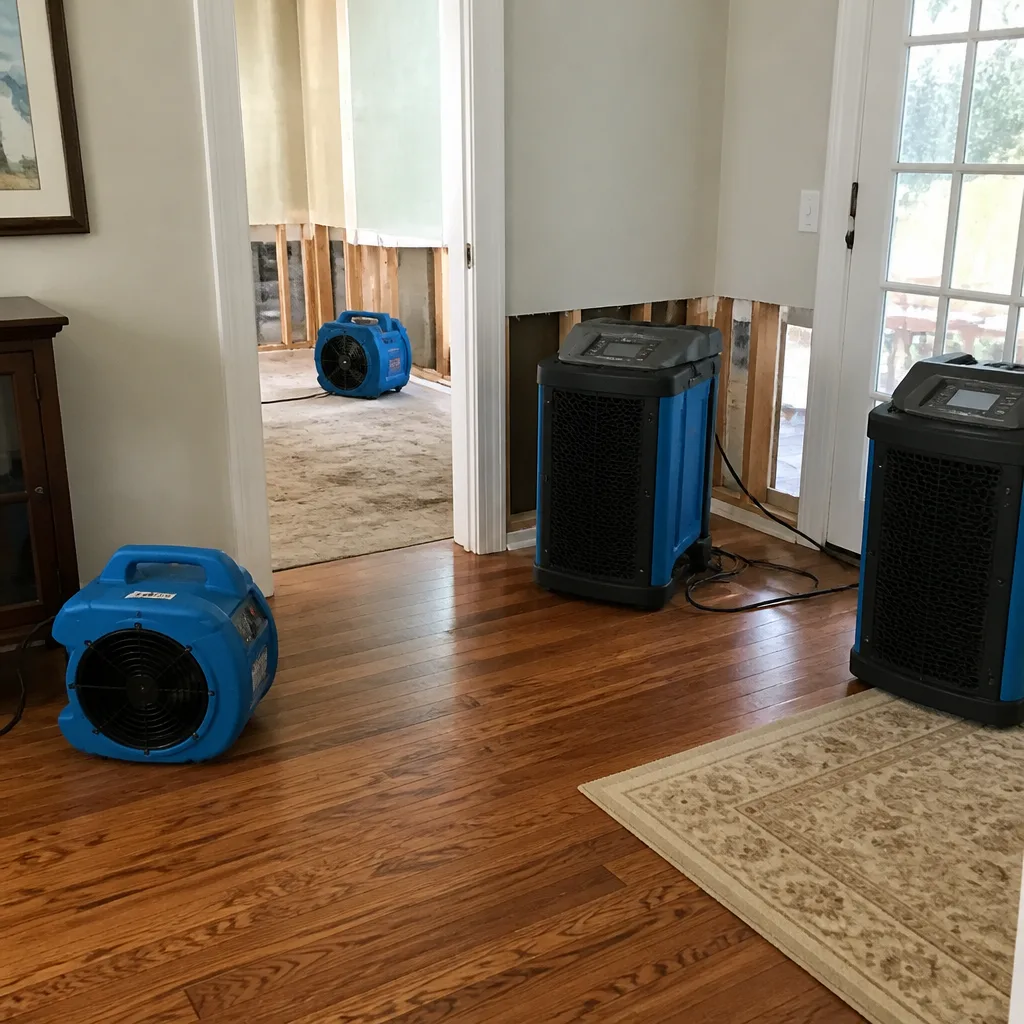 Water damage drying
 Fire & smoke cleanup
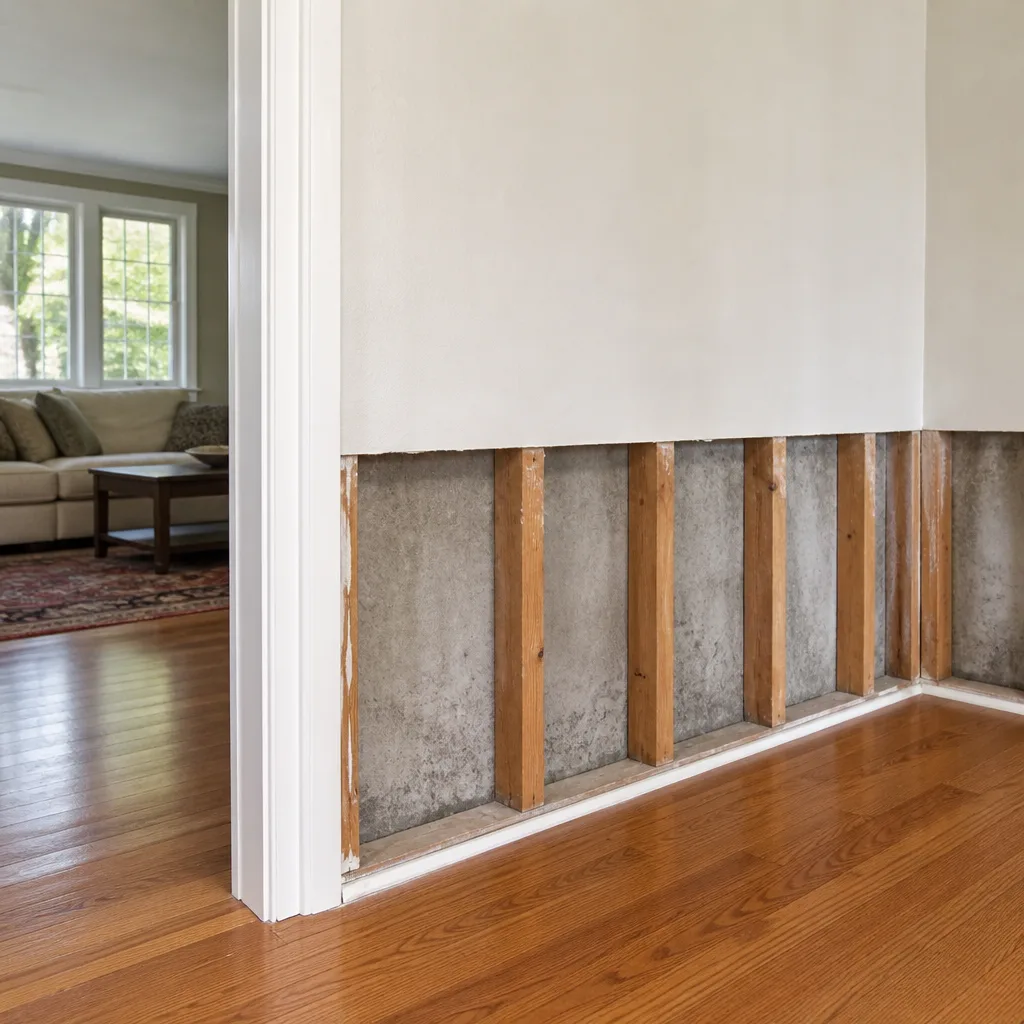 Mold remediation
 Storm response
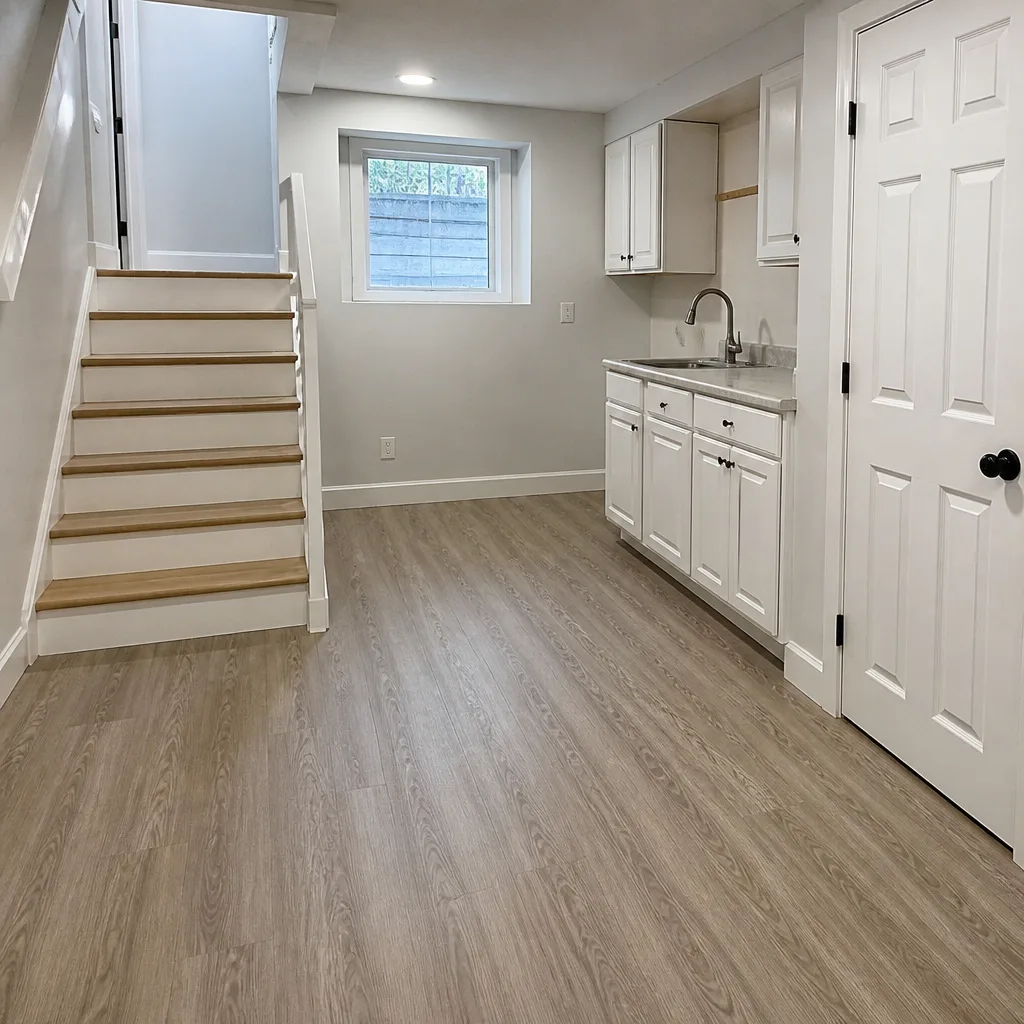 Sewage cleanup
 Reconstruction
Free visual inspection and a written scope of work before any mitigation begins - photos, moisture readings, and drying logs go in your claim file
The scope we write is the scope we bill. Anything new gets shown to you, in writing, before we touch it.
Get your free estimateDamage Restoration Warning Signs: A Fort Lauderdale Homeowner’s Reference Guide
Mold can establish a viable colony on wet drywall in 48 to 72 hours in South Florida’s climate. That means the warning sign you smell on a Tuesday morning is a problem that started Saturday, and by Friday it won’t be a remediation job, it’ll be a demolition job. This guide trains you to read the signals your Fort Lauderdale home sends before the damage behind them becomes structural, and points you to more guides & resources for ongoing maintenance. You’ll learn which signs predict hidden water damage, which ones are false alarms, and when the math says call a professional.
Restoration work we handle
Quick Answer
The earliest warning signs of hidden water damage in a Fort Lauderdale home are almost never visible water. They are a musty smell that comes and goes, a floor that feels slightly soft underfoot, paint or drywall that bubbles or peels without any known leak, a utility bill that creeps up month over month, and condensation that appears on windows or walls even when the air conditioning is running. Any one of these signals, alone or in combination, warrants a professional moisture assessment within days, not weeks, as covered in our guide on how to hire a damage restoration contractor in Fort Lauderdale.
Table of Contents
- The Five Sensory Signals That Predict Hidden Water Damage
- Why Smell Is the Most Reliable Early Indicator in Florida Homes
- How to Read Soft Spots and Spongy Flooring
- What Fort Lauderdale Construction Materials Hide
- The Utility Bill Anomaly: Reading Your Water Usage Data
- Normal Humidity vs. Active Water Intrusion: How to Tell the Difference
- Common Mistakes to Avoid
- When to Call a Professional
- Frequently Asked Questions
- The Bottom Line
The Five Sensory Signals That Predict Hidden Water Damage
Most Fort Lauderdale homeowners picture water damage as a flooded laundry room or a ceiling collapsing after a storm. In our experience, the cases that end up costing the most are the ones that never showed a drop of visible water. Water moves through wall cavities, under flooring, and along ceiling joists for weeks before it surfaces anywhere you can see it. What you notice first is one of five sensory signals, and each one means something specific.
Here is what to pay attention to, in order of how early each signal typically appears:
- Smell. A musty, earthy, or damp odor that appears in one room, hallway, or closet but not others. It may fade when the AC cycles on and return when the house is closed up.
- Touch. A floor that feels slightly soft, spongy, or “springy” in a specific spot. A wall that feels cool or damp to the back of your hand in one area only.
- Sight. Paint that bubbles, peels, or flakes without a known cause. Baseboards that separate from the wall. Ceiling stains that grow, even slowly. Warped door frames or windows that suddenly stick.
- Sound. Water running when no fixture is on. A faint hiss or drip inside a wall. A toilet that refills itself periodically without being flushed.
- Numbers. A utility bill that rises month over month with no change in household habits. We cover this one in its own section because it is the most overlooked signal in South Florida.
Any single signal should get your attention. Two or more signals in the same area of the home should get a phone call. Five signals at once means the damage is already advanced. The threshold question is not whether water is present, it is how long it has been there and what it has reached.
Why Smell Is the Most Reliable Early Indicator in Florida Homes
Smell is the first warning sign in the majority of hidden water damage cases we see across Fort Lauderdale, and there is a structural reason for that. Florida homes built with concrete block and stucco have enclosed wall cavities that trap moisture differently than wood-frame construction. When water enters those cavities, it has very few ways to escape. The moisture lingers, and within days it creates the conditions in which mold and bacteria release volatile organic compounds into the air, which is what you smell.
Here is the key difference between normal Florida smells and the smell of hidden water damage:
- Location-specific. A general “Florida smell” after rain is everywhere. A water damage smell is localized, often strongest near one wall, one closet, or one corner of a room.
- Persistence. Coastal humidity smell fades when the house airs out or the AC runs. A water damage smell returns within hours because the moisture source is still active inside the structure.
- Character. Surface humidity smells damp and salty. Hidden water damage smells musty, earthy, or like wet cardboard, because that is essentially what is happening inside the wall, drywall and paper backing are breaking down in moisture.
If you notice a smell that fits this profile, do not mask it with air fresheners or run a dehumidifier and hope it clears. That treats the symptom, not the source. A musty smell from an enclosed wall cavity in a Fort Lauderdale home means moisture is present inside that cavity, and the only way to know how far it has spread is to open the wall or take professional moisture readings. The longer the moisture sits, the more likely you are looking at mold remediation in Fort Lauderdale rather than a simple dry-out.
How to Read Soft Spots and Spongy Flooring
A soft spot in the floor is one of the most misunderstood warning signs in Florida homes. Homeowners often write it off as “the house settling” or “old floors,” when in fact it is frequently the first visible evidence of a leak that has been active for weeks or months. The question is whether you are dealing with a cosmetic subfloor issue or a structural joist problem, and the difference matters enormously in both repair cost and safety.
Here is how to interpret what you are feeling underfoot:
- Test the edges. Walk the perimeter of the soft area slowly. If the softness is isolated to a single plank or tile and the surrounding flooring feels solid, the issue is likely localized to that section of subfloor. If the softness extends across a wider area or follows a line, the moisture has spread along a joist or through the subfloor layer.
- Press with your heel. Stand on the spot and rock gently from heel to toe. A cosmetic subfloor issue gives slightly but feels firm underneath. A structural problem feels truly spongy, sometimes with visible flex, and may creak or groan when you shift weight.
- Look for companion signs. Check the baseboards near the soft spot. Are they pulling away from the wall? Is there staining, swelling, or a visible gap between the baseboard and the flooring? Check the ceiling below if there is a lower level. Water that reaches a floor joist often shows on the ceiling underneath.
The tool-free test we recommend to Fort Lauderdale homeowners is a simple one: place a marble or golf ball on the floor in the affected room and watch where it rolls. A floor that has been structurally compromised by moisture will often show a slight but measurable slope toward the damaged area, even if it looks level to the eye. If the ball rolls consistently to the same spot from different starting points, the subfloor or joist has begun to deflect.
One more local consideration: many Fort Lauderdale homes have tile over concrete slab on the ground floor. Soft spots are less common there, but tile that cracks, pops, or “tents” upward can indicate moisture pressure beneath the tile or slab movement from water-saturated soil. Different signal, same underlying message: water is where it should not be.
What Fort Lauderdale Construction Materials Hide
Fort Lauderdale homes are built differently than homes in most of the country, and those differences work against early water damage detection. Concrete block, stucco, and Spanish tile are excellent at shedding surface water, but they are also excellent at concealing what happens behind and beneath them. A wood-frame home in the Northeast shows water damage as warped siding, bulging drywall, and peeling paint within days. A concrete block and stucco home in Fort Lauderdale can hide the same leak for months.
Here is what each material masks and how to work around it:
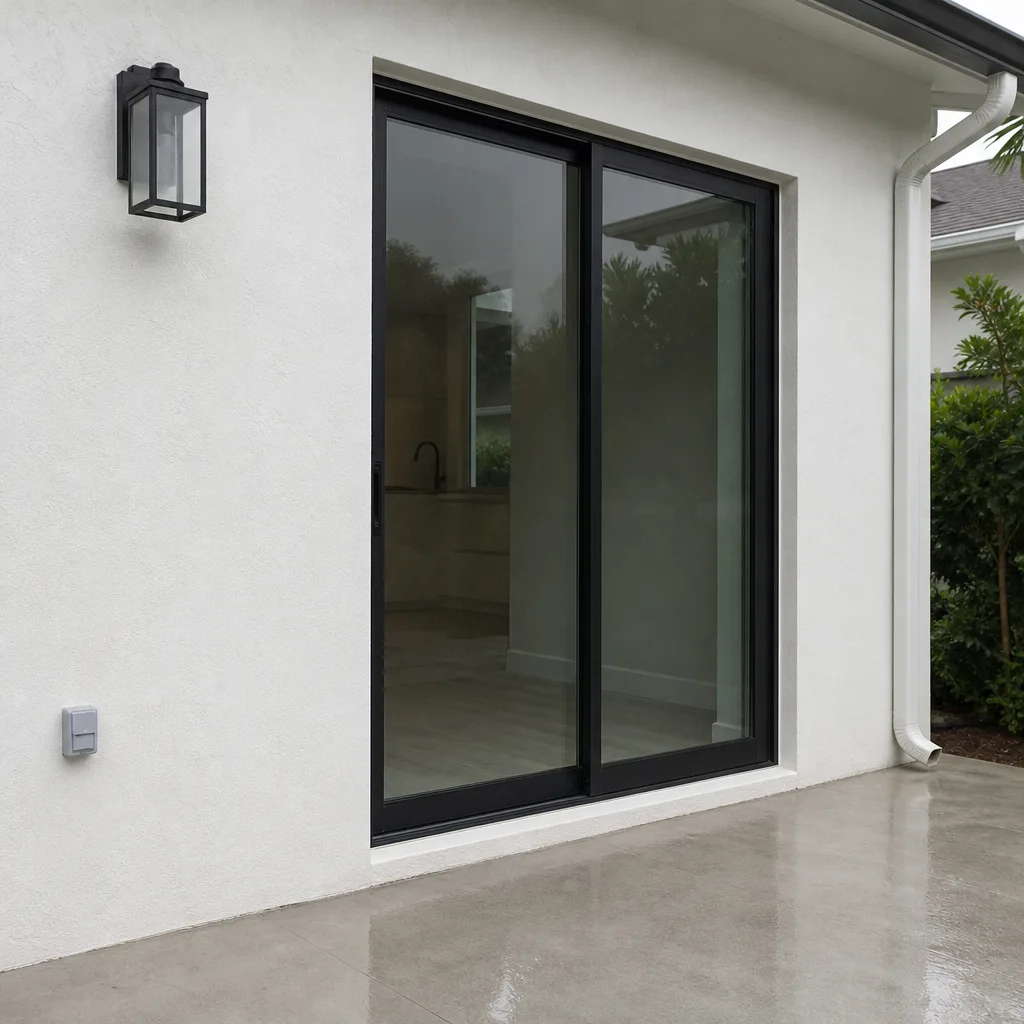
- Stucco exteriors. Stucco is porous and holds moisture against the underlying block or framing. Hairline cracks that look cosmetic can admit water during a driving rain, and the water gets trapped between the stucco and the structure. Workaround: inspect the interior walls opposite exterior stucco cracks for cool spots, staining, or musty odor, especially on east-facing walls that catch the most storm weather.
- Concrete block walls. Block is highly resistant to water damage itself, but the furring strips and drywall attached to the interior face are not. Water that penetrates the block sits against the back of the drywall and wicks upward. Workaround: pay attention to baseboards and lower wall sections on exterior walls, particularly after heavy rain events with wind-driven water.
- Spanish tile roofing. Tile roofs are durable, but a single cracked or slipped tile can allow water into the underlayment, where it travels along the roof deck and into the ceiling before it ever shows on the tile surface. Workaround: after any storm with high winds, check ceilings and attic spaces for discoloration or odor, especially around roof penetrations like vents, skylights, and chimneys.
The inspection workaround for all of these materials is the same: trust the interior signals over the exterior appearance. Stucco, block, and tile will look fine long after the damage behind them has begun. The smell, the soft floor, the peeling paint on the interior are the real indicators, and they are the ones to act on.
The Utility Bill Anomaly: Reading Your Water Usage Data
A slow leak in a supply line or irrigation system in Fort Lauderdale often shows up in monthly water usage data before it shows up anywhere visible. A pinhole leak in a copper pipe behind a wall, a toilet flapper that never quite seats, an irrigation valve that seeps, none of these produce a puddle you will notice, but they all add gallons to your meter every single day, and the pattern is visible if you know how to look.
Here is how to read your water bill for the signature of a hidden leak:
- Get your baseline. Look at your usage during a month when you know there were no leaks, no irrigation changes, and no house guests. That is your household’s normal consumption.
- Compare month over month. A consistent upward trend with no change in household habits is the first red flag. A leak does not use water in one spike, it uses water every day, so the bill climbs steadily rather than jumps.
- Look at your irrigation season. Fort Lauderdale irrigation runs year-round in most yards, so seasonal explanations are weaker here than elsewhere. If your irrigation settings have not changed but your usage is up 20% or more, suspect a leak somewhere in the system.
- Run the meter test. On a day when no one is home, no irrigation is scheduled, and no laundry or dishwasher is running, note the meter reading. Check it again two hours later. If it has moved, water is flowing somewhere it should not be.
One more pattern specific to South Florida: many Fort Lauderdale homes have their main water line running underground from the meter to the house, often beneath a driveway or landscaped area. A slow leak in that underground line will never show as visible water on the surface, and it will never smell. It will only show as usage you cannot account for. If your bill pattern looks suspicious and you cannot find a source inside, the line between the meter and the house is the prime suspect, and that is a job for a professional with leak detection equipment.
Normal Humidity vs. Active Water Intrusion: How to Tell the Difference
Fort Lauderdale is one of the most humid cities in the United States. Condensation on windows, damp-feeling air, and even a little moisture on bathroom walls after a shower are all part of living here. The problem is that the same conditions that cause normal condensation also make it harder to spot the condensation that signals a real problem. Here is how to distinguish the two.
Normal Florida humidity condensation follows a predictable pattern:
- It appears on cold surfaces like windows, mirrors, and toilet tanks.
- It is worst in the early morning and clears as the day warms or the AC runs.
- It forms on the surface and evaporates completely, leaving no stain, no odor, and no lasting dampness.
Active water intrusion behaves differently:
- It appears on surfaces that are not normally cold, like interior walls, ceilings, or the back of a closet.
- It does not clear on its own. The dampness persists through the day, even with the AC running.
- It leaves evidence. Stains, paint bubbling, a musty smell, or a surface that feels cool and clammy to the touch hours after the condensation should have evaporated.
The specific conditions under which you should stop treating condensation as normal: if the dampness appears on the same spot of wall or ceiling every day, regardless of the weather outside; if it appears on an interior wall that is not adjacent to a bathroom or kitchen; if it is accompanied by any odor at all, even faint; or if you can feel a temperature difference on the damp surface compared to the surrounding area. Cold spots on interior surfaces in a Fort Lauderdale home mean something is wicking moisture through the structure, and that something is usually a leak.
One useful reference point from our work across Fort Lauderdale: a properly air-conditioned South Florida home maintains indoor relative humidity between 45% and 55%. If you are running the AC consistently and your indoor humidity is consistently above 60%, something is adding moisture to the air beyond normal occupancy, and the usual suspects are a hidden leak, an undersized AC, or a compromised building envelope. A water damage restoration assessment in Fort Lauderdale can tell you which one you are dealing with.
Common Mistakes to Avoid
- Treating the smell instead of the source. Dehumidifiers, air fresheners, and open windows do not remove moisture from inside a wall cavity. They mask the signal while the damage spreads. If the smell returns within hours, the moisture is still there.
- Waiting for visible water. By the time water shows up as a stain on the ceiling or a puddle on the floor in a Fort Lauderdale block-and-stucco home, it has usually been traveling through the structure for weeks. The visible water is the end of the story, not the beginning.
- Assuming tile floors can’t be water damaged. Tile itself is waterproof, but the grout, the subfloor beneath, and the wood trim around it are not. A tile floor that looks fine can be hiding a saturated subfloor underneath.
- Ignoring a small utility bill increase. A 15% increase in water usage with no behavior change is a leak until proven otherwise. Small leaks become large leaks, and large leaks become structural repairs. The bill is the cheapest diagnostic tool you have.
- Relying on a general contractor for water damage. Water damage requires moisture mapping, psychrometric readings (measuring the moisture in the air), and professional drying equipment to address properly. A contractor who “fixes the leak and patches the drywall” without drying the structure first is setting you up for mold inside the wall.
- Assuming insurance will sort it out later. Most homeowner policies in Florida have specific requirements and timelines for reporting water damage. Delaying the call can affect coverage. Document everything with photos and dates from the moment you notice a problem.
- Treating all humidity as normal Florida weather. Fort Lauderdale humidity is real, but persistent dampness on interior surfaces, especially accompanied by odor or staining, is not weather. It is a leak. Weather evaporates. Leaks persist.
When to Call a Professional
You should call a professional when any single warning sign persists for more than 48 hours, when two or more warning signs appear in the same area, or when you find visible mold growth of any size, a decision we break down in our DIY vs Professional Damage Restoration: The Fort Lauderdale Homeowner’s Decision Guide. You should also call if the utility bill pattern suggests an underground leak, if a soft spot in the floor is spreading or accompanied by odor, or if a musty smell returns after you have cleaned and aired the area. These are the cases where the damage has progressed beyond what a homeowner can assess without professional moisture meters and thermal imaging equipment.
Marsh Water Damage Fort Lauderdale home offers free estimates throughout Fort Lauderdale, call (754) 755-2815 and a live person answers, any hour, any day. We send a technician who is background-checked, identity-verified, and identified to you by name and photo before the visit. You will know exactly who is walking through your door.
Frequently Asked Questions
Mold can establish a viable colony on wet drywall or other organic building materials within 48 to 72 hours in South Florida’s warm, humid climate, which means the clock starts the moment water enters the structure, not the moment you notice it. In a Fort Lauderdale home with enclosed wall cavities and high ambient humidity, the timeline is closer to the 48-hour end of that range. Professional drying should begin as soon as possible after a leak is discovered, ideally within 24 to 48 hours.
Hidden water damage smells musty, earthy, or like wet cardboard or damp soil, and it is typically strongest in one specific area of the home, such as a closet, a hallway, or a single wall. In a Fort Lauderdale home, this smell will persist even with the air conditioning running, unlike normal coastal humidity odor, which fades as the air dries. Call (754) 755-2815 if you cannot locate the source, a persistent localized odor usually means moisture inside a wall cavity.
Coverage depends on the cause, but most Florida homeowner policies cover water damage that is sudden and accidental, such as a burst pipe, a water heater failure, or storm-related intrusion, while damage from long-term leaks, lack of maintenance, or gradual seepage is often excluded or limited. Florida policies are more restrictive than most states, and insurers expect prompt reporting and evidence. Document everything with photos and dated notes, and contact your insurer as soon as you detect a problem, not after the damage spreads.
A professional water damage assessment in Fort Lauderdale can happen the same day you call, and in many cases within hours, because the companies that serve this market are built around hurricane and flood response. Marsh Water Damage Fort Lauderdale answers calls with a live person 24 hours a day and dispatches a verified technician promptly. Water damage does not wait for business hours, and neither do we.
Fans and a household dehumidifier can dry surface moisture, but they cannot remove moisture trapped inside wall cavities, under flooring, or behind baseboards, which is where hidden water damage does its worst work. Professional restoration equipment, like the Dri-Eaz and XPOWER units our technicians use, is engineered to move large volumes of air and extract moisture from structural materials, not just from the room air. In a Fort Lauderdale block-and-stucco home, the moisture is usually inside the structure, and that is where it has to be removed.
Water damage restoration is the process of removing standing water, drying the structure, and repairing the damage caused by the water event itself, while mold remediation is the process of identifying, containing, and removing mold growth that has already occurred, often as a result of water damage left untreated. The two often overlap, and in many Fort Lauderdale homes, a water damage call reveals mold that formed before the leak was discovered. Mold remediation in Fort Lauderdale typically follows water extraction and drying if the moisture has been present long enough for mold to establish.
The Bottom Line
Serious water damage in a Fort Lauderdale home does not announce itself with a flood. It whispers, through a musty smell in one hallway, a soft spot underfoot in one room, a paint bubble that appears without explanation, a water bill that climbs a little each month, and condensation that will not clear. Learning to read those signals is the difference between a drying job and a demolition job, between a few hundred dollars and tens of thousands, and our Seasonal Damage Restoration Care for Fort Lauderdale: Year-Round Homeowner’s Guide can help you stay ahead of problems. The warning signs are all detectable if you know what you are looking at, and the moment you see two or more of them in the same area, the most responsible thing you can do is call a professional before the damage spreads further.
If you have noticed any of the warning signs in this guide, or if you simply want a professional assessment before a small concern becomes a large repair, storm damage restoration in Fort Lauderdale and water damage restoration are our core work at Marsh Water Damage Fort Lauderdale. Call (754) 755-2815 for a free estimate, you will get a live person on the phone, a written price before any work starts, and a technician who arrives with a name, a photo, and a badge. That is the Threshold Standard on every visit, and it is the way we have served Fort Lauderdale since 2005.
Written by Tobias Reyner, Owner at Marsh Water Damage Fort Lauderdale, serving Fort Lauderdale since 2005.
See the difference
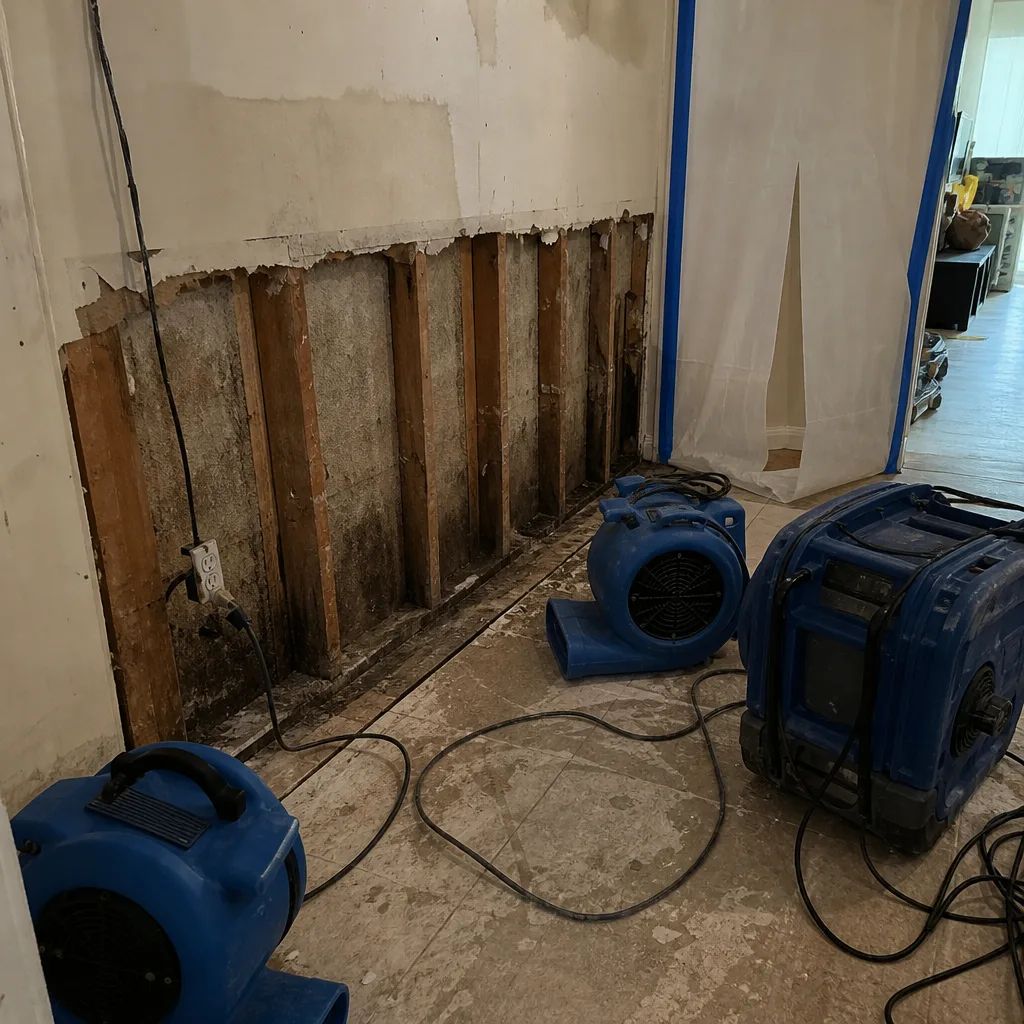 Before
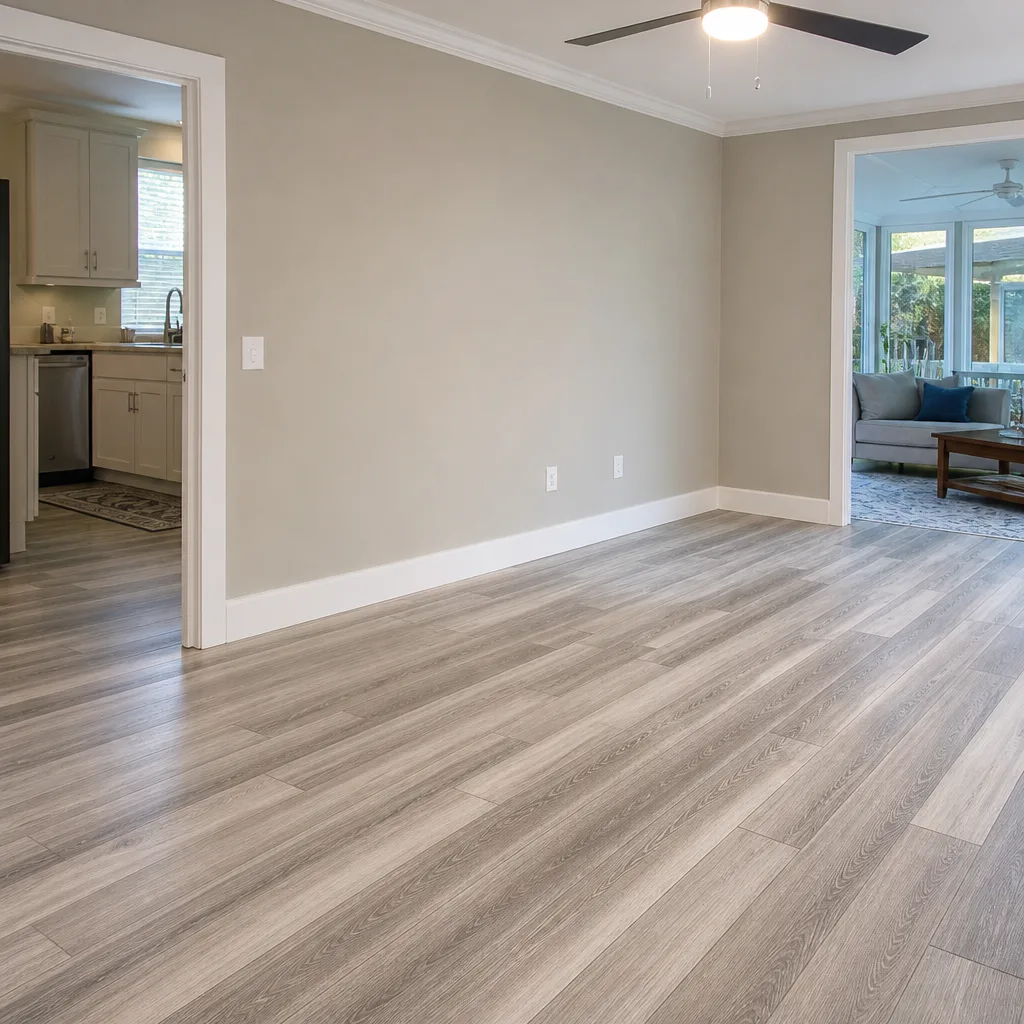 After
After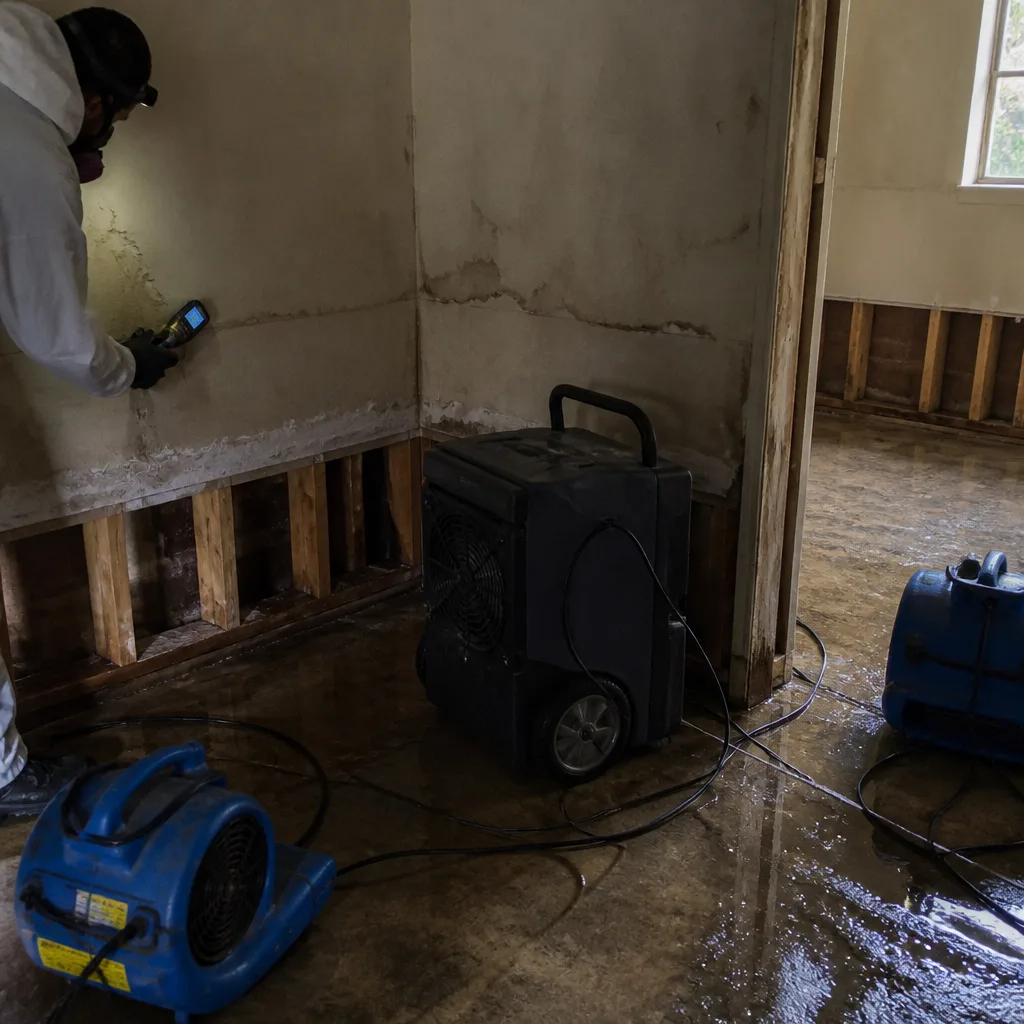 Before
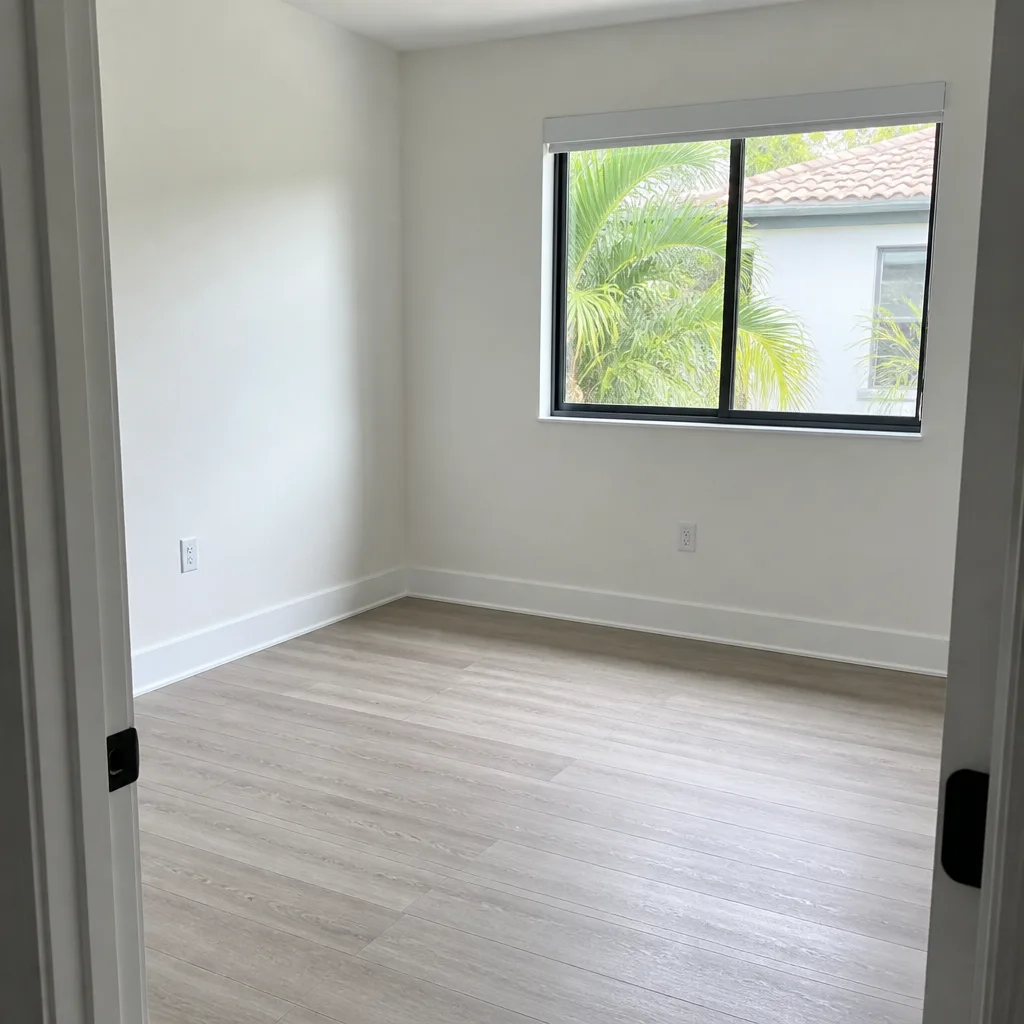 After
After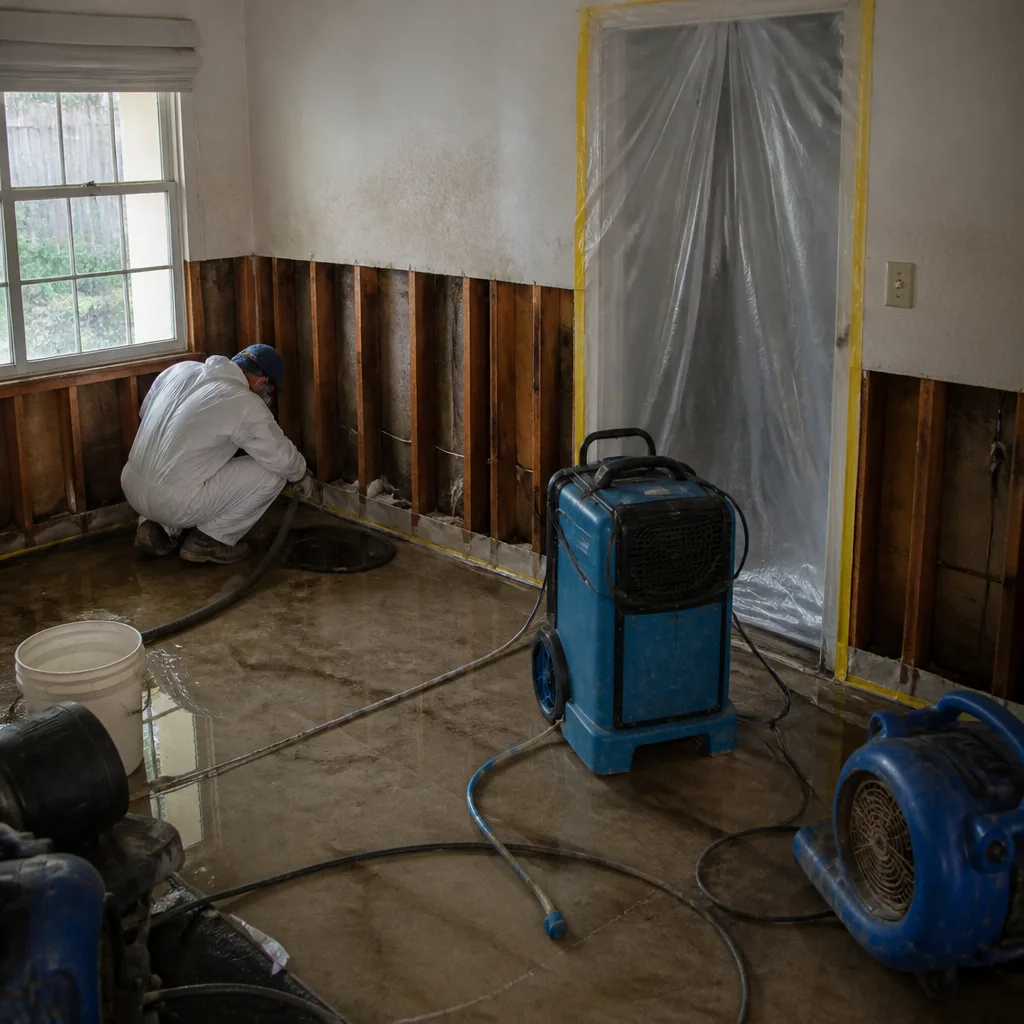 Before
 After
After