
Last updated October 16, 2026
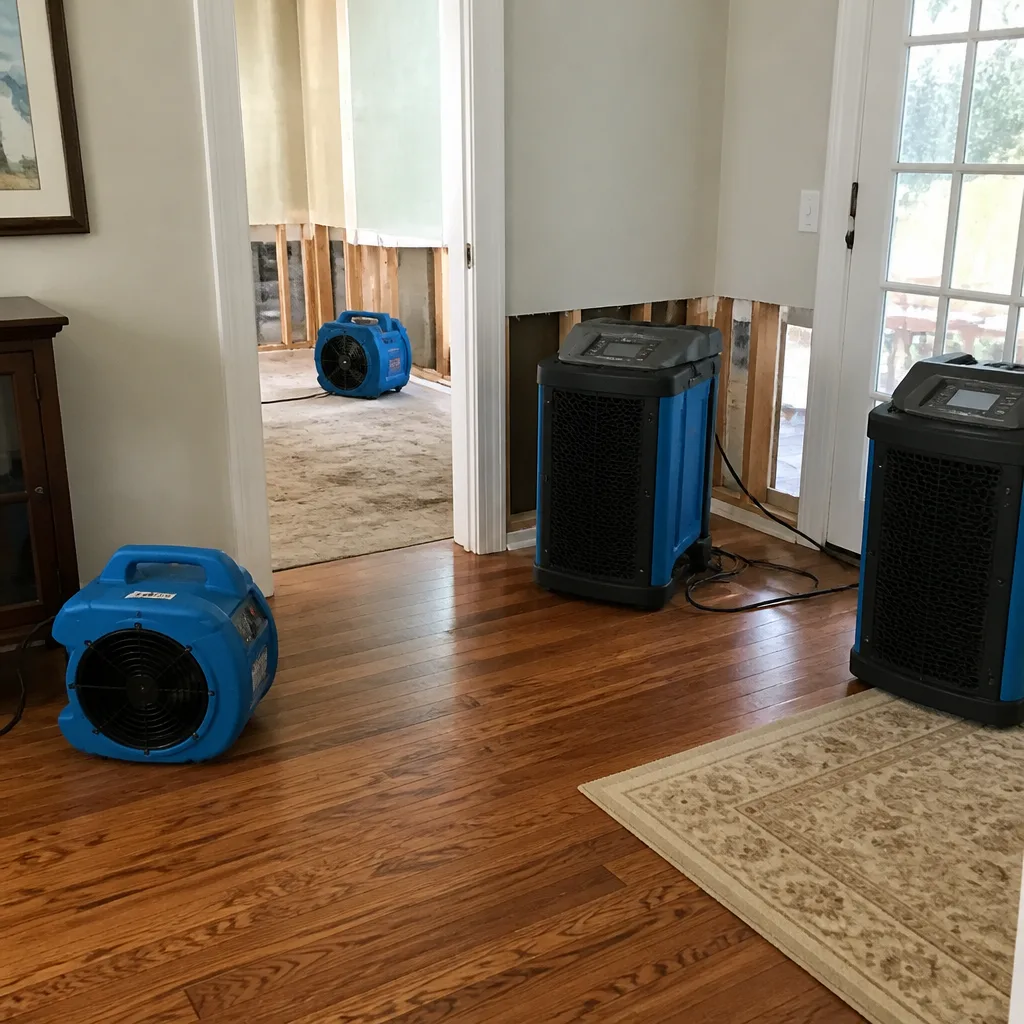 Water damage drying
 Fire & smoke cleanup
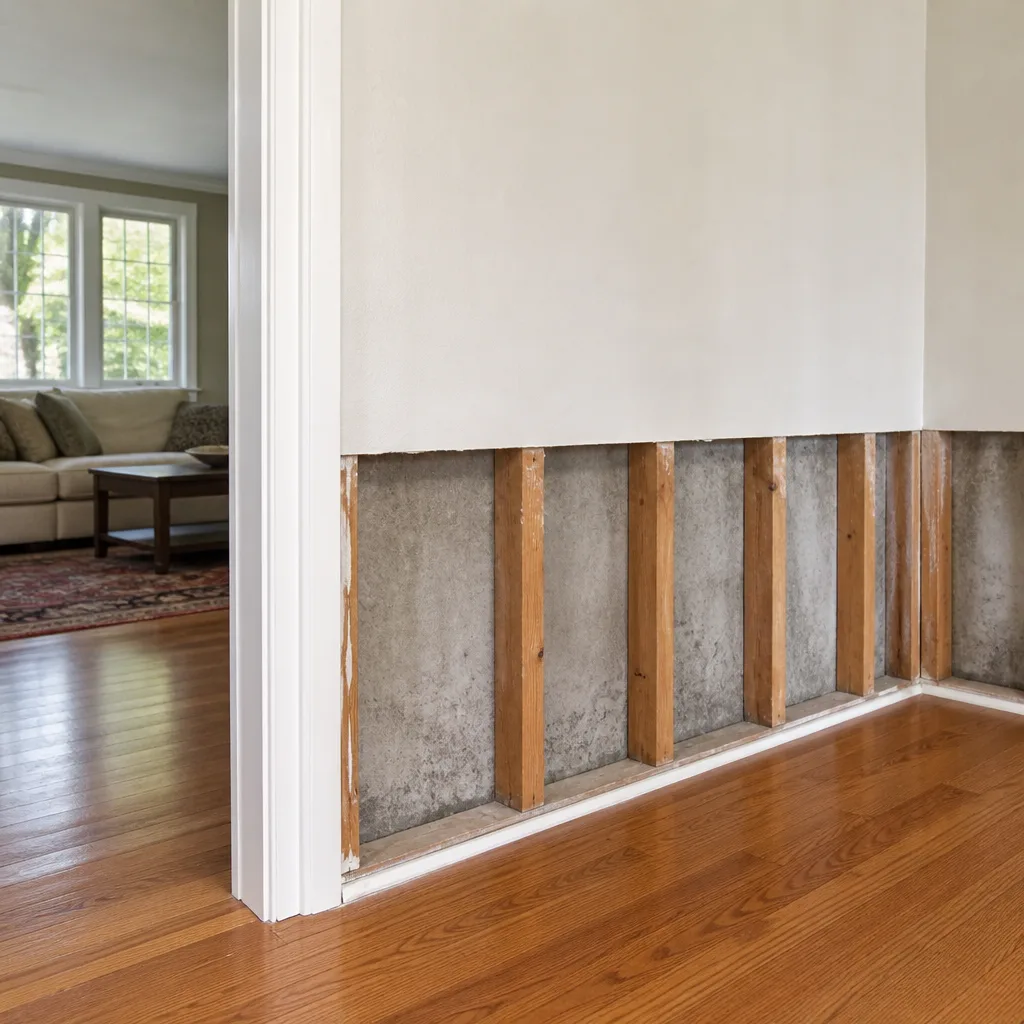 Mold remediation
 Storm response
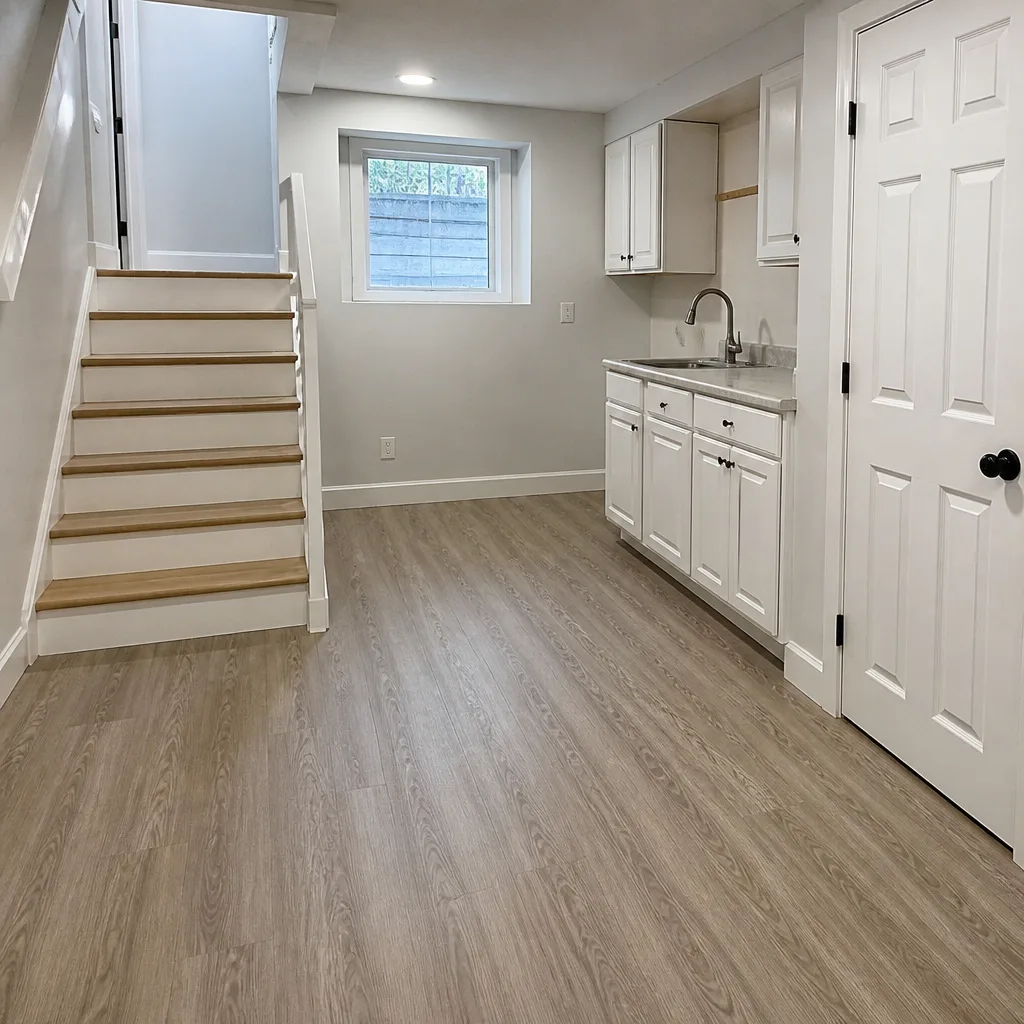 Sewage cleanup
 Reconstruction
Free visual inspection and a written scope of work before any mitigation begins - photos, moisture readings, and drying logs go in your claim file
The scope we write is the scope we bill. Anything new gets shown to you, in writing, before we touch it.
Get your free estimateHow to Hire a Damage Restoration Contractor in Fort Lauderdale: A Step-by-Step Guide
Florida’s Attorney General has issued consumer alerts about “storm chaser” contractors after every major hurricane since 2017. That knock at your door within 24 hours of water damage? Statistically, it’s more likely an opportunist than a professional. Fort Lauderdale homeowners face a specific version of this problem: a dense market, older housing stock, and a climate that produces both sudden storm surges and slow, hidden pipe leaks. This guide gives you the exact filter to separate a real restoration contractor from a chaser, in under five minutes, before you open your front door to anyone.
Restoration work we handle
Quick Answer
To hire a damage restoration contractor in Fort Lauderdale, verify three things before signing anything: a Florida DBPR contractor license, a Broward County business tax receipt, and IICRC certification. Then require a written, itemized estimate, confirm who specifically will show up (employees, not day-labor subs), and refuse any contractor who pushes an Assignment of Benefits contract before you’ve called your insurer. Marsh Water Damage Fort Lauderdale follows this exact protocol on every job, and the steps below walk you through each check.
Table of Contents
- The Three License Verifications Every Fort Lauderdale Homeowner Should Run
- Assignment of Benefits: Why “Just Sign This” Is a Red Flag
- Five Questions That Separate Restoration Pros from General Contractors
- The Written Estimate: Your Legal Right and Your Best Defense
- Who Actually Shows Up: Employees vs. Day-Labor Subcontractors
- Working With Your Insurance Adjuster: What the Contractor Should Handle
- What Fort Lauderdale’s Climate and Code Mean for Your Restoration
- Common Mistakes to Avoid
- When to Call a Professional
- Frequently Asked Questions
- The Bottom Line
The Three License Verifications Every Fort Lauderdale Homeowner Should Run
Before you sign anything, run three checks. They take less than five minutes combined, and they eliminate the majority of bad actors in the Fort Lauderdale market. We’ve watched homeowners skip these and pay for it in ways that had nothing to do with drying equipment.
First: The Florida DBPR contractor license. Florida’s Department of Business and Professional Regulation licenses contractors who perform structural repairs. Visit the DBPR website, click “Verify a License,” and enter the contractor’s name or license number. A restoration company doing water extraction and drying may operate under a mold remediation license or a general contractor’s license. Either way, the license must be active and free of disciplinary actions. If the person at your door can’t produce a license number that checks out on DBPR, that’s the end of the conversation.
Second: The Broward County business tax receipt. Every business operating in Fort Lauderdale must hold a current business tax receipt from Broward County. You can verify this through the Broward County Records, Taxes and Treasury Division. This is not a quality guarantee, but it tells you the business is registered locally and can be found if something goes wrong. A contractor with a Florida license but no local receipt may be operating from out of state or under a different name than the one on their truck.
Third: IICRC certification. The Institute of Inspection, Cleaning and Restoration Certification is the industry’s recognized training body for water damage restoration. An IICRC-certified firm has technicians trained in the science of drying: psychrometric readings (measuring moisture in air and materials), drying chamber setup, and antimicrobial application. Ask for the firm’s IICRC number and verify it at iicrc.org. In our experience, fewer than half the contractors working Fort Lauderdale water losses hold this credential. That matters when hidden moisture in drywall cavities leads to mold four months after the “repair.” For a proactive approach, see our Water Damage Restoration Maintenance Checklist for Fort Lauderdale Homeowners.
Assignment of Benefits: Why “Just Sign This” Is a Red Flag
An Assignment of Benefits, or AOB, is a contract that transfers your insurance claim rights to the contractor. You sign it, the contractor bills your insurer directly, and you’re out of the loop. Florida passed AOB reform laws in 2019 precisely because the old system generated rampant abuse: inflated invoices, unauthorized work, lawsuits against insurers, and homeowners stuck in the middle with liens on their houses.
Here’s the pattern we still see in Fort Lauderdale. A crew shows up, extracts some water, and then presents a stack of paperwork: “Just sign this and we’ll handle your insurance.” What they’re really asking is for you to hand over control of your claim. Once signed, that contractor can perform work you never approved and bill your insurer at rates you never saw. If the insurer disputes the bill, the contractor can sue, and you’re named in the litigation. Some Fort Lauderdale homeowners have waited months for repairs while the AOB fight played out.
The reform laws narrowed AOB use, but contractors still push versions of it. Our position is simple: never sign an AOB under pressure. Call your insurer first. A legitimate restoration company will document the damage, provide a written estimate, and coordinate with your adjuster without taking ownership of your claim. If the contractor refuses to work without an AOB, find another contractor. The company that respects your claim rights is the one that respects your house.
Five Questions That Separate Restoration Pros from General Contractors
Plenty of general contractors in Fort Lauderdale will take a water damage job. Some do fine work. But water damage restoration is a different discipline than remodeling, and the wrong approach leaves moisture trapped inside walls and floors. Here are five questions to ask. The answers tell you everything.
- “What drying equipment will you use, and how do you decide when the structure is dry?” A restoration professional names specific equipment: Dri-Eaz dehumidifiers, Phoenix axial fans, XPOWER air movers, Injectidry systems for hardwood floors. More importantly, they explain the moisture mapping protocol: taking psychrometric readings daily, documenting humidity levels, and only removing equipment when the materials reach dry standard. A general contractor says “we’ll run some fans for a few days.”
- “What’s your moisture mapping process?” Real restoration firms map the affected area with moisture meters and thermal imaging cameras before, during, and after drying. The map shows where water migrated, including areas that look dry. If the contractor can’t describe this process, they’re guessing.
- “Who performs mold prevention, and what chemicals do you use?” Water that sits for more than 48 hours in Fort Lauderdale’s humidity starts growing mold. A restoration pro applies antimicrobial agents to affected surfaces and explains why. A general contractor might paint over the stain.
- “How do you handle Category 3 water?” That’s sewage or floodwater. The answer should include containment, disposal of contaminated materials, and disinfection. Vague answers mean risk.
- “May I see your equipment before the job starts?” A restoration professional says yes, and names brands like B-Air and Injectidry. A chaser changes the subject. The gear is the difference between a structure that dries in four days and one that molds in four months.
The Written Estimate: Your Legal Right and Your Best Defense
Florida law gives you the right to a written, itemized estimate before any restoration work begins. This is not a courtesy. It’s a consumer protection statute. In Fort Lauderdale, where the median home age is over 40 years and repair costs run high, the estimate is also your only real defense against the “balloon invoice” pattern: a low verbal quote, demo starts, and suddenly the price doubles because of “unforeseen conditions.”
Every line item on a proper restoration estimate should specify: the scope of work, the quantity and type of equipment, the daily rate for equipment rental, labor hours, materials with unit prices, and the projected duration. If you see a single line reading “water damage repair – $8,500” with no breakdown, do not sign it. Ask for the line items. A legitimate company has no problem producing them.
We put our price in writing before any work starts, and the number doesn’t move unless you approve a change in scope in writing. That’s not a marketing slogan. It’s printed on every work order. The estimate is also what your insurer reviews, so itemized detail speeds up the claim. When we serve water damage restoration in Fort Lauderdale, the adjuster sees exactly what every dollar covers, from the first extraction to the final moisture reading.
Who Actually Shows Up: Employees vs. Day-Labor Subcontractors
This is the question Fort Lauderdale homeowners skip, and it’s the one that matters most when you’re home alone with a crew in your house. Some restoration companies sell the job, then hand it to a subcontractor who picks up day laborers from a parking lot. The people in your home were never vetted by anyone. They don’t know the drying protocol. They don’t carry the company’s insurance. If something goes wrong, the company you hired blames the sub, and the sub disappears.
Ask directly: “Are the people who will be in my home your employees or subcontractors?” A professional restoration firm sends uniformed, background-checked employees. At Marsh Water Damage Fort Lauderdale, every technician goes through the Threshold Verified protocol: background check, identity verification, uniform, and a photo ID badge the tech shows at the door on every visit. Before the tech arrives, you receive the name and photo of exactly who is coming. That’s the standard, not an optional add-on.
Why it matters for quality: an employee trained on Dri-Eaz and Phoenix equipment follows the moisture map. A day laborer runs fans and hopes. Why it matters for security: a vetted employee has been screened and carries the company’s insurance. A day laborer has not. In Fort Lauderdale, where many restoration calls happen in the middle of a storm or the middle of the night, the distinction is not theoretical. It’s who is standing in your hallway at 2 a.m.
Working With Your Insurance Adjuster: What the Contractor Should Handle
Insurance is in the room on nearly every Fort Lauderdale restoration job, even when the homeowner never mentions it. Water damage, storm damage, and mold remediation are almost always covered claims, and the adjuster’s involvement shapes the entire process. The right contractor makes that process smoother. The wrong one makes it a fight.
A restoration professional should document the damage photographically, from the first assessment through drying and repair. That documentation is what the adjuster needs to approve the claim. We photograph every stage: initial water migration, equipment placement, daily moisture readings, and final dry standard confirmation. The insurer sees the same evidence we see, and disputes drop accordingly.
The contractor should also coordinate directly with the adjuster: scheduling the joint inspection, walking the adjuster through the moisture map, and discussing line items as a technical peer, not a salesman. If your contractor refuses to talk to the adjuster, or demands you handle all communication, that’s a signal the company doesn’t want insurer scrutiny on its billing. For storm damage restoration in Fort Lauderdale after a named storm, adjuster coordination is the difference between a claim that closes in weeks and one that lingers for months.
What Fort Lauderdale’s Climate and Code Mean for Your Restoration
Fort Lauderdale’s climate is not a background detail. It’s the operating environment. Average humidity runs above 70% most of the year. That means water damage doesn’t just sit, it actively breeds mold, and the drying window is shorter than in drier markets. A structure left wet for 48 hours in Broward County’s humidity has already started the microbial remediation process (killing and removing mold growth). Contractors who treat Fort Lauderdale like Orlando or Atlanta are making a category error.
Code requirements matter too. Fort Lauderdale sits in a High Velocity Hurricane Zone, which affects structural repair specifications: roof sheathing fastening, window and door provisions, and exterior wall requirements. A restoration contractor doing structural work must know Broward County amendments to the Florida Building Code. Ask the contractor which version of the code they’re building to. If the answer is blank, walk away.
Neighborhood context also shapes the work. Older homes in Victoria Park and Sailboat Bend have plaster walls and original wood floors that dry differently than modern drywall construction in newer communities. Homes along the canals in Las Olas Isles face different floodwater chemistry than inland properties. A Fort Lauderdale restoration company knows these differences because we work them every week. We’re the Marsh Water Damage Fort Lauderdale home for this work in the city, and the name says what we deal with: a marsh is low, wet ground, water where it shouldn’t be.
Common Mistakes to Avoid
- Signing an AOB under pressure. You hand over your claim rights to a contractor you met 20 minutes ago. You lose control of your own insurance, and you may end up in litigation you never wanted.
- Accepting a verbal estimate. Florida law gives you the right to a written, itemized scope. Without it, the final invoice is whatever the contractor says it is.
- Skipping the license checks. Three minutes at the DBPR website and Broward County records would have revealed that the “contractor” at your door has no license in either system. Run the checks before you sign, not after.
- Hiring a general contractor for mitigation. Restoration is a separate discipline. A remodeler who “can also do water damage” is usually running fans and hoping, not mapping moisture and verifying dry standard.
- Letting anyone in without verifying identity. The crew at your door during a crisis should match the name and photo you received before the visit. If the company can’t tell you who’s coming, don’t open the door.
- Waiting to call your insurer. Delayed reporting is one of the top reasons claims get underpaid or denied. Call your insurer first, then hire the contractor. The order matters.
- Choosing the lowest bid on mold work. In Fort Lauderdale, mold remediation done wrong just spreads the problem. Cheap now means expensive later, and the later invoice is never cheap.
When to Call a Professional
Call a restoration contractor the moment you see water where it shouldn’t be. Water migration in a Fort Lauderdale house moves fast, through drywall, flooring, and subfloor. By the time you see a stain, the moisture has traveled further than you think. Category 2 or 3 water (washing machine overflow, sewage backup, floodwater) is never a DIY job. Storm damage with structural concerns requires immediate professional assessment, not just for the repair but for your insurance claim. And any visible mold larger than a dinner plate demands professional remediation with containment. If you’re unsure, Mold Remediation in Fort Lauderdale is a specific discipline, not a general cleanup. Marsh Water Damage Fort Lauderdale offers free estimates in Fort Lauderdale. Call (754) 755-2815 and a live person answers, day or night.
Frequently Asked Questions
Verify a contractor by checking three registries: the Florida DBPR license lookup for the contractor license, the Broward County business tax receipt search for local registration, and the IICRC directory for water restoration certification. Run all three before signing a contract.
An Assignment of Benefits transfers your insurance claim rights to the contractor. You generally should not sign one, especially under pressure after a loss. Florida’s AOB reform laws exist because these contracts caused widespread abuse. Call your insurer before signing anything.
Most residential water extractions in Fort Lauderdale run between $1,200 and $3,800 before drying equipment is set. Full mitigation with drying and repairs typically ranges from $4,000 to $12,000 depending on the affected square footage and water category.
Most homeowner’s policies cover sudden and accidental water damage, such as a burst pipe or appliance failure. Flood damage from rising water requires separate flood insurance. A restoration contractor with documented photo evidence and itemized estimates makes the claim smoother.
A professional restoration company dispatches within hours, not days, because the drying clock starts the moment water contacts building materials. Marsh Water Damage Fort Lauderdale answers calls live 24/7 and can usually have a crew on-site the same day you call (754) 755-2815.
That depends on the water category and how long it sat. Category 1 water (clean supply line) requires extraction and drying. Category 2 or 3 water, or any water that sat more than 48 hours, requires antimicrobial treatment and often material removal. A moisture map tells you definitively. Call (754) 755-2815 and we’ll assess it with documentation you can take to your insurer.
The Bottom Line
Hiring a damage restoration contractor in Fort Lauderdale is a purchase you make while in crisis, and the information gap is exactly what opportunistic contractors exploit. Close the gap with three license verifications, a refusal to sign Assignment of Benefits under pressure, a written itemized estimate, and confirmation that vetted employees, not day laborers, will walk through your door. The right contractor will pass every one of these checks without hesitation and will document the work for your insurer from the first minute. That’s the standard. Don’t settle for less, and don’t let a stranger in your house until you’ve verified exactly who they are.
Written by Tobias Reyner, Owner at Marsh Water Damage Fort Lauderdale, serving Fort Lauderdale since 2005.
See the difference
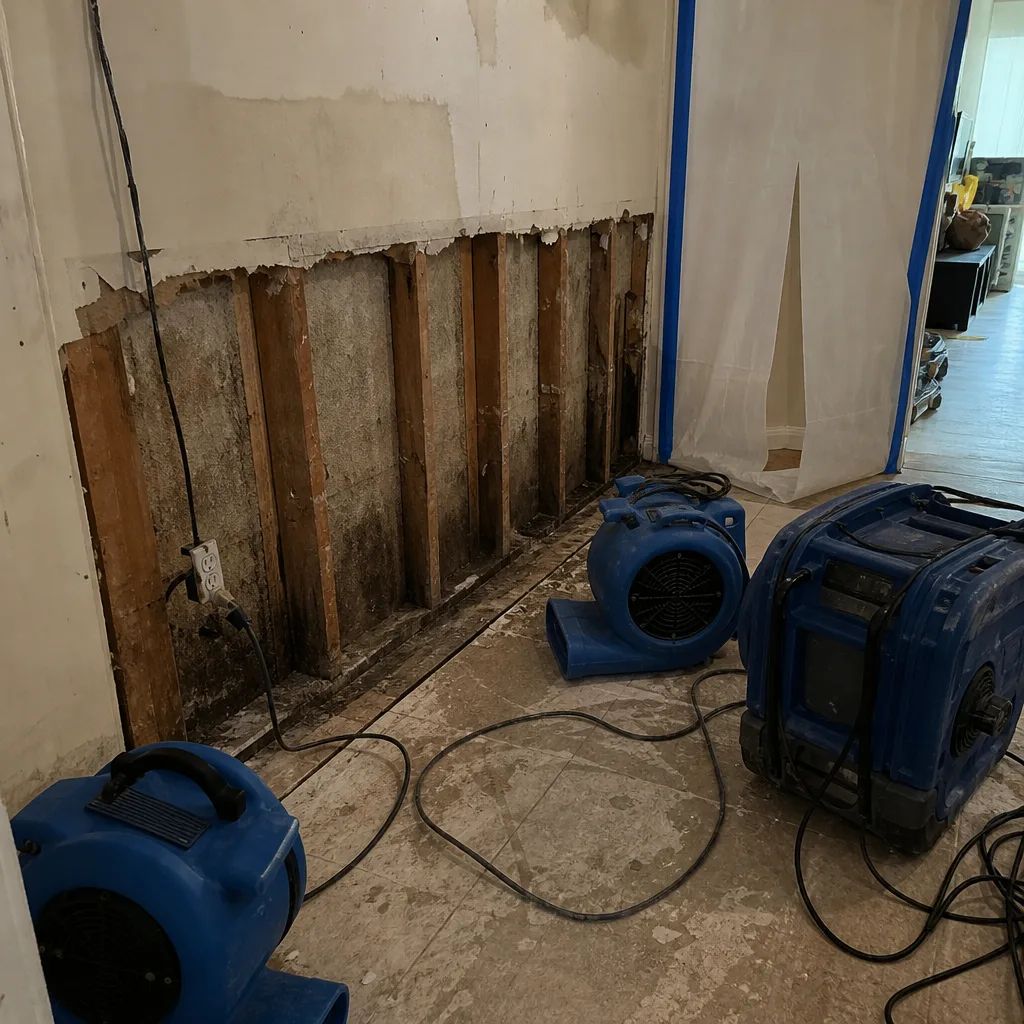 Before
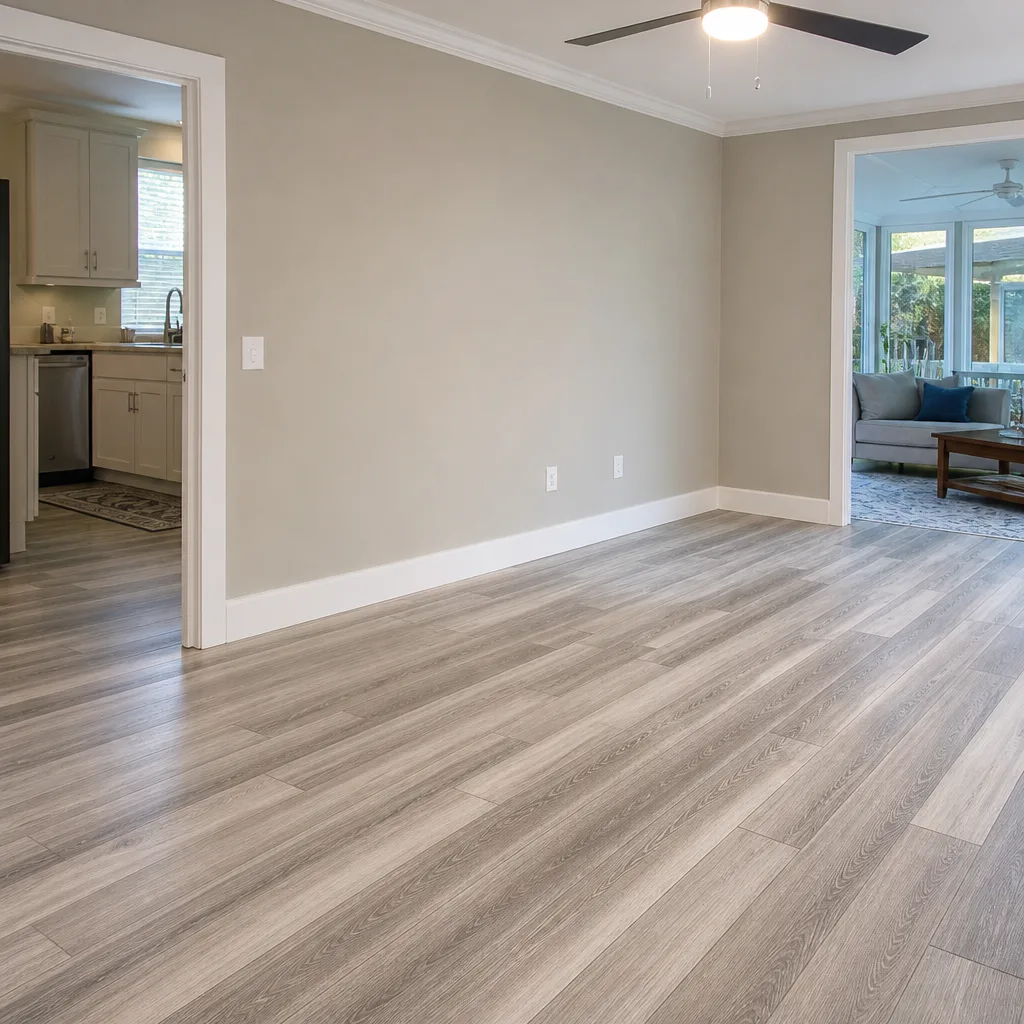 After
After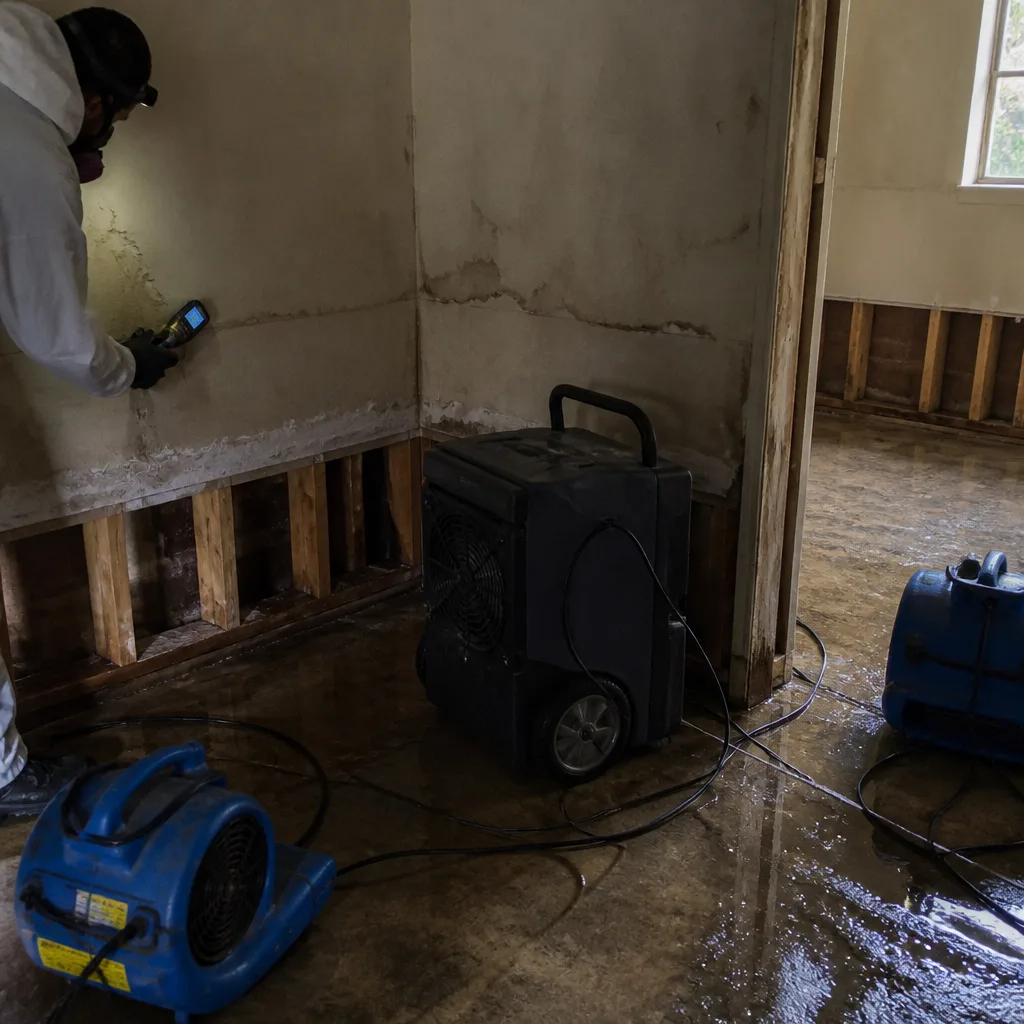 Before
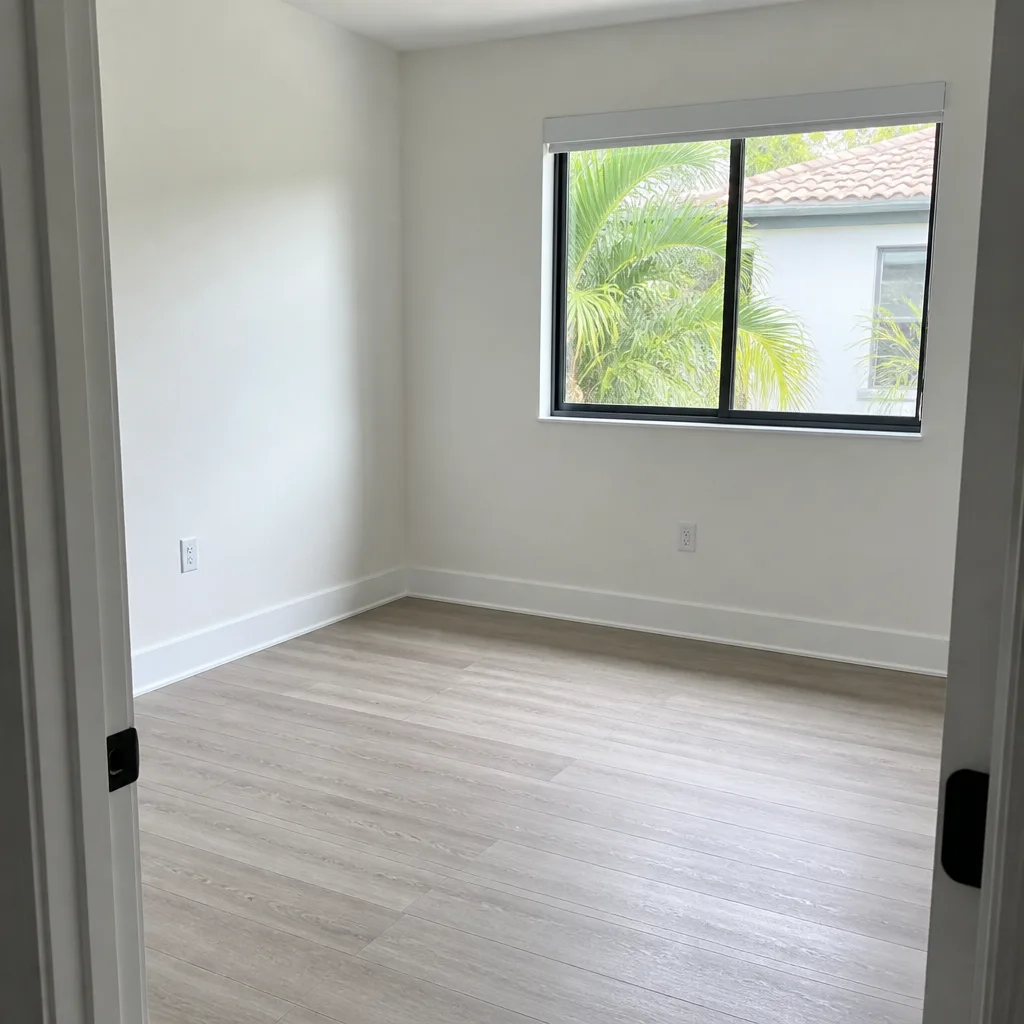 After
After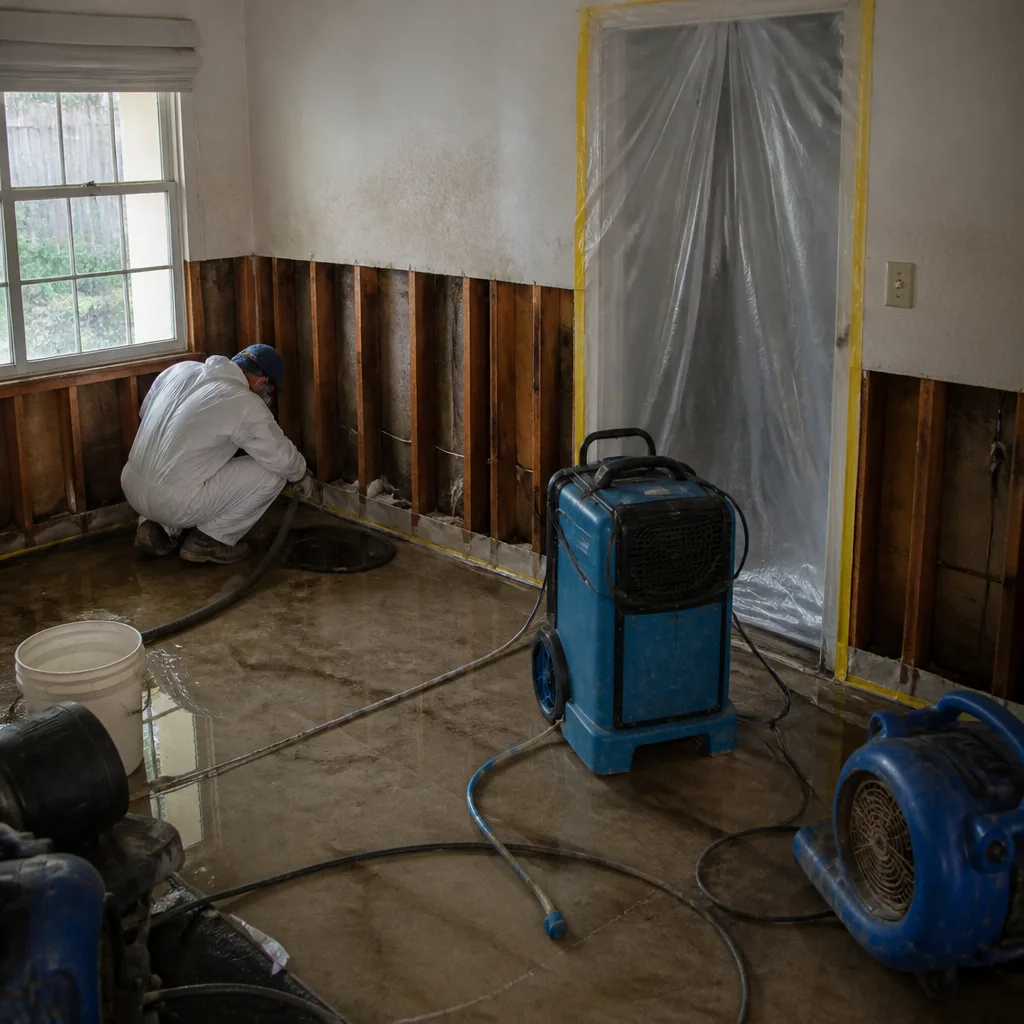 Before
 After
After