
Last updated October 16, 2026
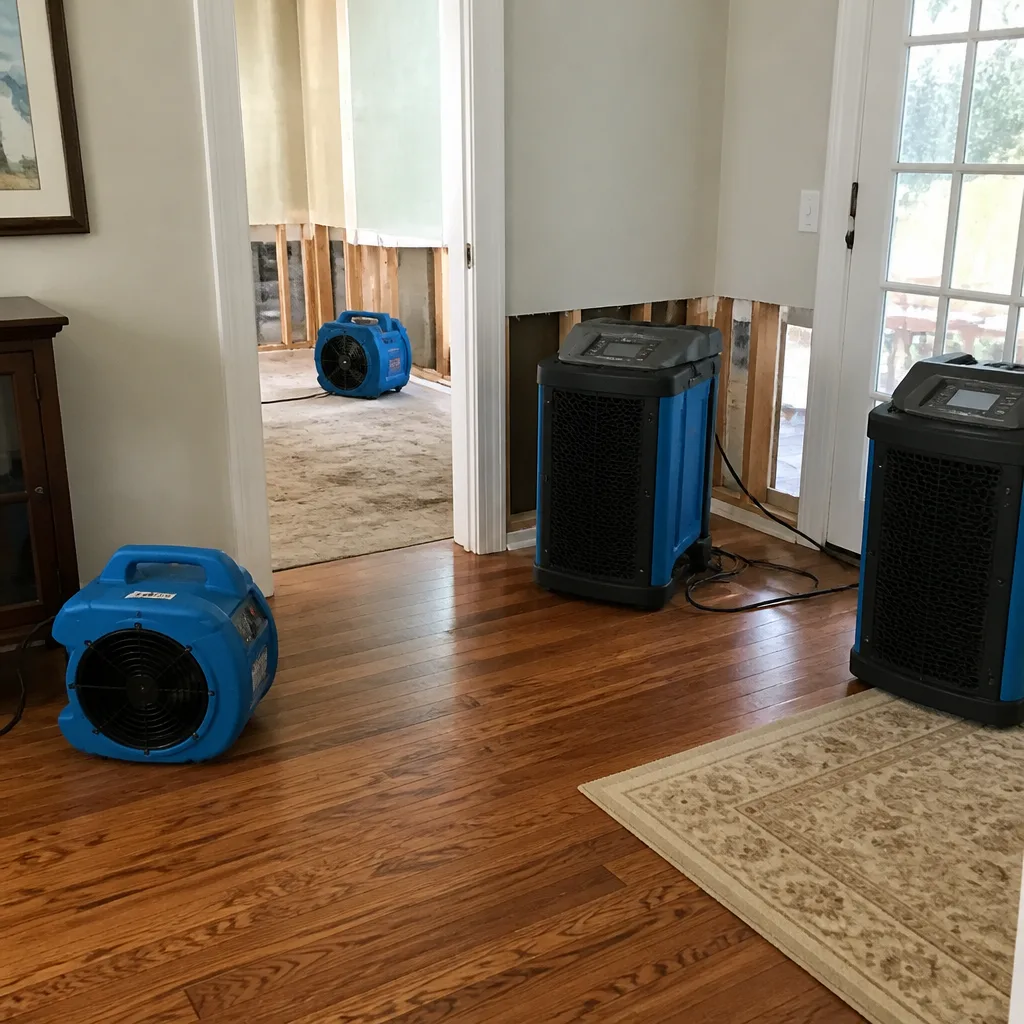 Water damage drying
 Fire & smoke cleanup
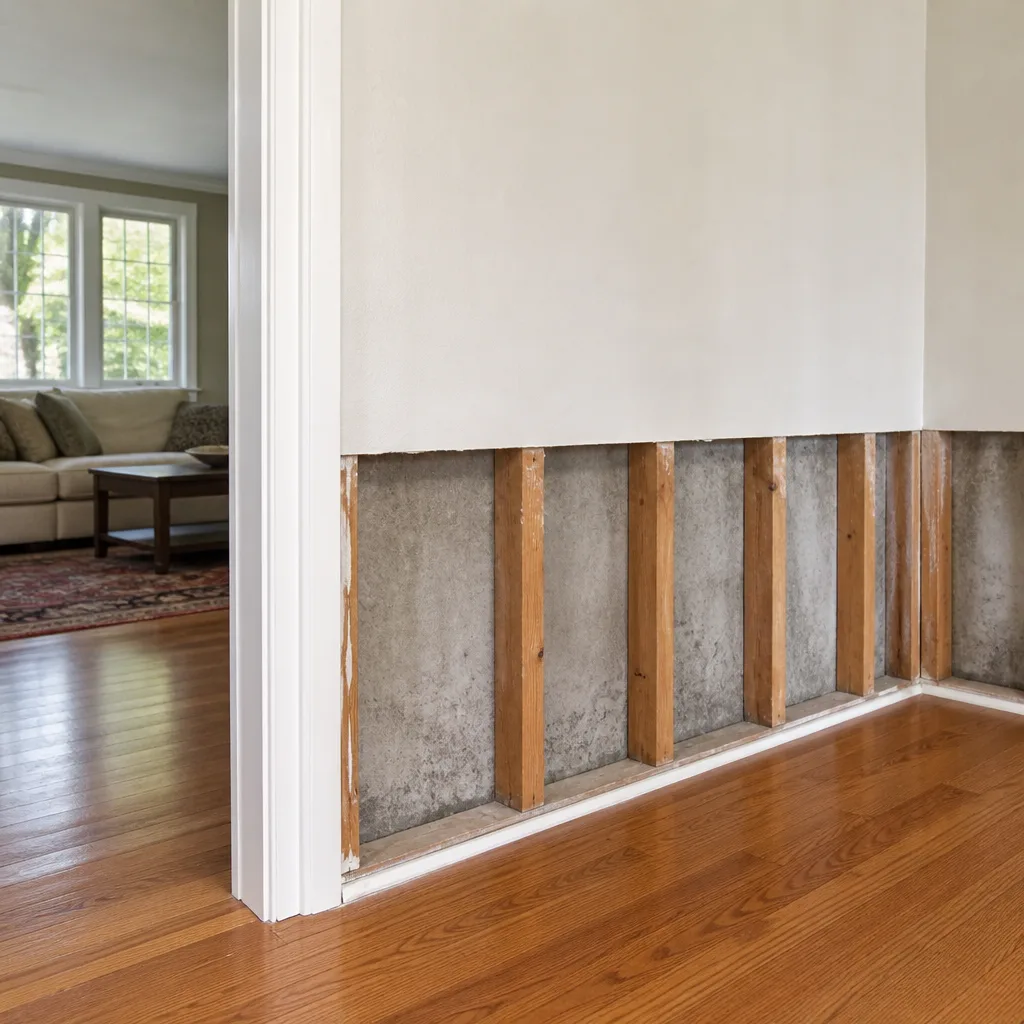 Mold remediation
 Storm response
 Sewage cleanup
 Reconstruction
Free visual inspection and a written scope of work before any mitigation begins - photos, moisture readings, and drying logs go in your claim file
The scope we write is the scope we bill. Anything new gets shown to you, in writing, before we touch it.
Get your free estimateDamage Restoration Permits, Codes & Inspections in FL: What You Need to Know
Most homeowners in Florida never think about building permits until a sale falls apart or an insurance adjuster starts asking questions. Then the missing paperwork becomes the most expensive thing in the house. A Fort Lauderdale homeowner learned this the hard way two years after a water damage repair, when a home inspection revealed load-bearing drywall had been replaced without a permit. The repair looked flawless. The lack of documentation nearly killed the sale and became a mandatory disclosure in the listing. This guide covers exactly when restoration work in Florida triggers a permit, how the Broward County inspection process actually works, what the Florida Building Code says about water-damaged structure, and how to protect yourself from contractors who promise permits they never pull. For more on spotting problems early, see our Damage Restoration Warning Signs: A Fort Lauderdale Homeowner’s Reference Guide.
Restoration work we handle
Quick Answer
Water damage restoration in Florida requires a permit when structural components like drywall, framing, flooring systems, or load-bearing walls are replaced beyond cosmetic repair, and when electrical or HVAC systems are touched as part of the restoration. In Broward County, drywall replacement exceeding specific square-footage thresholds, any work involving electrical circuits or air handlers, and all structural repairs require permits and inspections before the work is considered legitimate. Skipping the permit saves days upfront but creates disclosure, insurance, and resale problems that can cost thousands later.
Table of Contents
- When Restoration Work Triggers a Permit in Florida
- Broward County and Fort Lauderdale Permit Thresholds at a Glance
- How Florida Building Code Chapter 7 Governs Water-Damaged Structure
- How the Permit and Inspection Process Works in Broward County
- The Homeowner’s Legal Liability for Unpermitted Restoration Work
- How to Verify a Permit Was Actually Filed and Inspected
- How Permits Interact With Insurance Claims in Florida
- Common Mistakes to Avoid
- When to Call a Professional
- Frequently Asked Questions
- The Bottom Line
When Restoration Work Triggers a Permit in Florida
Florida does not require a permit for emergency water extraction, drying, or mold containment. When a pipe bursts at 2 a.m. and you need standing water removed before the drywall wicks it up two feet, that is mitigation, not construction. The distinction matters because the state treats these as entirely different activities with different rules.
The permit trigger is repair and replacement of structure. Once the drying equipment comes out and the rebuilding starts, you’re now in Florida Building Code territory. Specifically, permits are required when any of the following are part of the restoration:
- Drywall replacement exceeding 4 feet by 8 feet (one full sheet) in any single wall or ceiling section
- Any structural framing repair or replacement, including floor joists, wall studs, roof trusses, or load-bearing components
- Electrical work of any kind triggered by water exposure, including outlet replacement, wiring repair, or panel work
- HVAC system repair or replacement where water has affected ducts, air handlers, or the electrical connections to those systems
- Insulation replacement in wall cavities where the cavity itself must be opened and closed
- Flooring system replacement when the subfloor, not just the finish flooring, is removed and replaced
The Florida Building Code, 8th Edition (2023), which Broward County enforces with local amendments, is the governing document. Chapter 1 of the code defines what constitutes “repair” versus “alteration” versus “reconstruction,” and those definitions determine whether you need a building permit, an electrical permit, a mechanical permit, or all three. In our work across Fort Lauderdale neighborhoods like Victoria Park, Rio Vista, and Coral Ridge, we routinely see water damage that started as a small ceiling stain but, once opened, revealed rotted joists requiring structural remediation. That is exactly the moment a permit becomes non-negotiable.
Here’s the thing most people miss: the permit requirement is not about the water. It’s about the building. Water is just why the building got opened. Once structure is modified, the state of Florida asserts an interest in verifying that the modification was done to code, because the next owner, the next hurricane, and the next insurance policyholder all depend on that structure performing as the code intends.
Broward County and Fort Lauderdale Permit Thresholds at a Glance
Broward County operates its own building department, and the City of Fort Lauderdale has a separate permitting office that enforces the same Florida Building Code with local procedural differences. If you live in an incorporated city within Broward, you pull permits through your city. If you live in an unincorporated area, you go through the county. The thresholds, however, are the same.
Here is what you need to know about the specific triggers in the Fort Lauderdale market:
- Drywall: Replacing one full 4×8 sheet or more requires a permit. This catches most water damage restoration jobs that involve cutting out wet drywall, because water wicks upward and rarely stops at three feet. Nearly every cutout we do exceeds this threshold within a day of opening the wall.
- Electrical: Any replacement of outlets, switches, wiring, or fixtures that were water-exposed requires an electrical permit. Water and energized wiring do not mix, and the county wants an inspector to verify the replacement was done correctly before the wall is closed.
- HVAC: If the air handler was sitting in water or the ductwork took on water, the mechanical permit is required. This is common in Fort Lauderdale where air handlers sit in interior closets or garages and flood during the rainy season.
- Structural: Any modification of load-bearing walls, floor systems, or roof structure requires a structural permit with plan review. This is the heaviest lift and the most expensive permit tier, and also the one most commonly skipped by unlicensed operators.
- Plumbing: If the restoration includes replacing supply lines, drain lines, or water heaters affected by the event, a plumbing permit is required.
One Broward County nuance: emergency repairs to stabilize a structure can be performed before a permit is issued, but the permit application must be submitted within 48 hours of the emergency work. This “emergency repair” provision exists so that a torn roof or a compromised wall can be shored up during a hurricane event without waiting for plan review. But it is not a blanket exemption; it is a narrow allowance with a strict filing deadline.
For homeowners in Fort Lauderdale, the practical takeaway is this: if the restoration crew is doing anything beyond extracting water and setting drying equipment, assume a permit is required until someone with county-specific knowledge confirms otherwise. The cost of the permit is typically a few hundred dollars. The cost of not having one can be measured in tens of thousands when a sale goes wrong or a claim gets denied.
How Florida Building Code Chapter 7 Governs Water-Damaged Structure
The Florida Building Code, Building volume, Chapter 7 is the “Fire and Smoke Protection Features” chapter, but for restoration work the more relevant sections are actually spread across Chapters 6, 8, and 16, plus the International Residential Code provisions Florida has adopted. The key document for water-damaged structural components is the Florida Building Code, Existing Building volume, which governs how repairs and alterations to existing structures must be performed.
Here is what the code actually says, translated into plain English:
Section 202 Definitions: “Repair” is defined as the reconstruction or renewal of any part of an existing building for the purpose of its maintenance. Repairs do not require the entire building to be brought up to current code, but the repaired portion must comply with current code. This means if you repair a water-damaged wall, that wall must meet current structural and moisture-resistance standards, even if the rest of the house was built under an older code cycle.
Level 1 Alterations: Most water damage restoration falls under this classification. Level 1 alterations require the repaired components to meet current code but do not trigger a full-building upgrade. This is the “repair permit” path.
Level 2 Alterations: This classification kicks in when the scope extends beyond repair into reconfiguration of space or significant structural modification. If water damage leads to reconfiguring a room, moving walls, or changing the floor plan, you have moved from a repair permit to something closer to a full renovation permit.
The practical difference between a repair permit and a renovation permit is significant:
- Repair permit: Less documentation, faster review, lower cost, inspection focuses on the specific repaired area
- Renovation permit: Plan review required, may need architectural drawings, longer timeline, broader inspection scope, higher cost
In Fort Lauderdale, where much of the housing stock is 1950s through 1980s CBS construction (concrete block structure), water damage in a block wall is usually limited to drywall and furring strips. But in the older wood-frame homes in neighborhoods like Sailboat Bend and Tarpon River, water intrusion into a wall cavity often means rotted studs and sill plates. That is when structural permits and plan review become unavoidable because the code requires a structural engineer’s evaluation before load-bearing wood components are replaced.
We’ve seen this distinction matter most after hurricanes and tropical storms, when dozens of homes need simultaneous restoration and the permit office is flooded with applications. Homeowners who understand whether their job is a repair or an alteration can submit the correct application the first time, avoiding rejection cycles that cost weeks.
How the Permit and Inspection Process Works in Broward County
The permit process in Broward County and Fort Lauderdale follows a predictable sequence. Here is the step-by-step flow for a typical water damage restoration job that requires a permit:
- Scope determination: The restoration contractor assesses the damage and determines what will be replaced. This drives the permit type: building, electrical, mechanical, plumbing, or a combination.
- Permit application: The contractor (or the homeowner, if acting as owner-builder) submits the permit application through the city or county online portal. The application includes a description of the scope, the property address, and the contractor’s license number.
- Plan review (if required): For structural work, plans are reviewed by the building department. This typically takes 5 to 10 business days in Fort Lauderdale for straightforward repairs, longer during busy periods.
- Permit issuance: Once approved and fees are paid, the permit is issued. The contractor can now legally perform the work.
- Rough inspection: Before the walls are closed, an inspector visits to verify that framing, electrical, plumbing, and mechanical work are done correctly. This is the most critical inspection because it happens when everything is still visible.
- Final inspection: After drywall, finish, and paint are complete, the inspector returns to verify the finished work matches the permit scope.
- Permit finalization: The permit is marked “finaled” and becomes a permanent record attached to the property.
The entire process for a typical residential water damage restoration in Fort Lauderdale takes three to six weeks from application to final inspection, though the actual repair work might only take five to seven days. The permit and inspection process is not what slows the job down; it is what verifies the job was done correctly.
One thing many homeowners don’t realize: the property owner is legally responsible for the permit, even when the contractor handles the paperwork. Florida law places ultimate accountability on the property owner. If the contractor fails to pull the permit and the work is later discovered to be unpermitted, the county comes after the owner, not the contractor. This is why “we’ll handle the permits” is not a phrase you should accept without verification.
The cost of a restoration permit in Broward County varies by scope. A simple drywall repair permit might run $150 to $300. A combined building/electrical/mechanical permit for a larger water loss might run $400 to $800. Structural work with plan review can exceed $1,000 in fees before the engineering cost. These are the permit office fees only; contractor fees for plan preparation and permit management are additional. In the context of a restoration job that might total $15,000 to $40,000, the permit cost is a small line item that buys legal protection.
The Homeowner’s Legal Liability for Unpermitted Restoration Work
The two scenarios where unpermitted restoration work becomes catastrophic are a home sale and a subsequent insurance claim. Both are common enough in Fort Lauderdale that the city’s real estate attorneys have standard disclosures addressing exactly this issue.
Home sale scenario: Florida’s mandatory seller disclosure form requires homeowners to disclose “any improvements or additions made without required permits” and any “conditions adversely affecting the value or desirability of the property.” If you did restoration work without a permit and do not disclose it, the buyer has a cause of action against you. If you do disclose it, the buyer will likely demand either retroactive permitting or a price concession. Retroactive permitting is not always possible, particularly for structural work where the inspector could not have verified the condition before it was closed. In many cases, the only way to resolve an unpermitted restoration is to open the walls back up, which costs more than the original permit would have.
Insurance claim scenario: If you file a future claim related to the restored area and the insurer discovers the restoration was unpermitted, the claim can be denied on the basis that the work was not performed to code. Insurers in Florida are increasingly aggressive about this, particularly after the 2022 insurance market reforms. A water damage restoration that was done without permits can become the reason a mold claim or a structural claim is denied years later.
There is also a less obvious liability: if you sell the home and the next owner later discovers the unpermitted work and suffers a loss because of it, they may have a claim against you for failing to disclose. Florida courts have found sellers liable in this scenario even when the seller genuinely did not know the work was unpermitted, because the seller is expected to know what happened on their property during their ownership.
In our experience across Fort Lauderdale, the most expensive mistake is not skipping the permit on the initial repair. It is the compounding effect: the unpermitted work gets covered by a later renovation, the trail gets muddied, and by the time anyone examines the history, three different crews have worked on the house and no one knows who did what. The permit trail is the only reliable record of what was done behind the drywall.
How to Verify a Permit Was Actually Filed and Inspected
“We’ll pull the permit” is the most common promise in restoration, and the most commonly broken one. Not because contractors intend to skip permits, but because the the permit process is tedious and the incentive to move fast is powerful. Here is how to verify that a permit actually exists and will be inspected, not just promised:
- Ask for the permit application number before work begins. The contractor submits the application and receives a tracking number. No number, no application.
- Look up the permit on the city or county portal. Both the City of Fort Lauderdale and Broward County have online permit search tools where you can enter your address and see all active and historical permits. If you cannot find it, it does not exist.
- Ask for a copy of the issued permit. Once the application is approved and fees are paid, the permit is issued and has a permit number distinct from the application number. This is the document that authorizes work.
- Require the contractor to schedule the rough inspection before closing walls. The rough inspection is the make-or-break moment. If the contractor closes walls without a rough inspection, the final inspection will fail or never happen.
- Check the permit status after the job. The permit should show as “finaled” or “closed” in the online system. An open permit is a problem: it means the work was either never inspected or failed inspection, and the city will eventually notice.
The Fort Lauderdale building department allows homeowners to search permits by address. The Broward County ePermits system does the same for unincorporated areas. Both systems are public and free to search. If your contractor seems evasive about the permit number, that is a red flag that all the other reassurances should not override.
One additional step worth taking: after the job is complete, request a copy of the finaled permit for your own records. This document will be important when you sell the home, file a future insurance claim, or refinance. Keep it with your closing documents and maintenance records.
How Permits Interact With Insurance Claims in Florida
Permits and insurance claims have a relationship that most homeowners do not understand until they are in the middle of both. The short version: your insurance policy covers the restoration of damage, and the permit is part of the restoration cost, which means the permit fee should be included in your claim.
Here is how it works in practice:
- Permit fees are a covered cost. Most Florida homeowners policies include permit fees as part of the reasonable and necessary cost of repairs. The adjuster should include them in the estimate. If they do not, ask.
- Code upgrades may be covered. If the restoration requires bringing the repaired area up to current code, and your policy includes ordinance or law coverage, the incremental cost of the code upgrade is covered. This matters in Fort Lauderdale where older homes may have electrical or structural conditions that do not meet current code and must be upgraded as part of the repair.
- Unpermitted prior work can affect your claim. If the insurance company discovers that the damaged area was previously restored without permits, the claim can be complicated. The insurer may argue the unpermitted work contributed to the damage or that the cost to remediate includes addressing the unpermitted condition.
- Photo documentation supports the claim and the permit. Thorough photo documentation of what was found when the walls were opened corroborates the scope of work and the permit application. This is one area where Water Damage Restoration in Fort Lauderdale work benefits from being documented before, during, and after.
For homeowners working with a water damage restoration company, the practical advice is this: tell your contractor that the permit fees need to be included in the estimate and that the adjuster needs a copy of the finaled permit as part of the claim documentation. A professional restoration company in Fort Lauderdale deals with this coordination regularly, and a contractor who resists the permit process is also likely to be careless with the insurance documentation.
Common Mistakes to Avoid
- Trusting “we’ll handle the permits” without a permit number. The permit number is the proof. Without it, the promise is vapor. Ask for the application number before work starts, and verify it on the county portal.
- Closing walls before the rough inspection. In Fort Lauderdale, the rough inspection is the only moment the inspector can see the framing, electrical, and mechanical work inside the wall cavity. Close the wall early, and the inspection is worthless.
- Treating mitigation and restoration as the same thing. Emergency water extraction and drying require no permit. Rebuilding the dried-out structure does. The transition point is when demolition begins.
- Using an unlicensed contractor who does not file permits. Unlicensed contractors in Florida cannot legally pull permits. If your restoration contractor is not licensed, the permit is not being filed, full stop. Check the license, then check the permit.
- Assuming the insurance adjuster handles permits. The adjuster estimates the loss. The contractor obtains the permits. These are different roles, and the homeowner is legally responsible for ensuring the permit exists.
- Ignoring an open permit after the job. An open permit sits on the property record indefinitely and will surface during any future permit application, sale, or refinance. Close it out.
- Choosing the cheapest quote that excludes permit fees. A restoration quote that omits permit fees looks cheaper but exposes the homeowner to the full weight of the liability. The permit fee is the cheapest insurance you will ever buy.
When to Call a Professional
If water has been sitting in your walls for more than 24 hours, you are likely beyond the DIY stage. If the damage requires opening drywall, touching electrical components, or replacing any structural member, do not attempt to manage the permit process yourself while also coordinating restoration. A professional restoration company in Fort Lauderdale that is licensed and insured will handle the permit application, schedule inspections, and document the entire process. If you are unsure whether your scope of work triggers a permit, call the building department directly and ask. They will tell you. Marsh Water Damage Fort Lauderdale offers free estimates in Fort Lauderdale, and we can assess whether your restoration scope requires a permit and what the timeline looks like. Call (754) 755-2815 to speak with a live person.
For broader restoration guidance, see our Marsh Water Damage Fort Lauderdale home page, Mold Remediation in Fort Lauderdale, and Storm Damage Restoration in Fort Lauderdale.
Frequently Asked Questions
You need a permit when the restoration involves replacing drywall larger than one full sheet, touching electrical or HVAC systems, or replacing any structural component. Emergency water extraction and drying does not require a permit. Call (754) 755-2815 for a free estimate that includes a permit assessment.
Simple drywall repair permits in Broward County typically run $150 to $300, while combined building, electrical, and mechanical permits for larger water losses run $400 to $800. Structural work requiring plan review can exceed $1,000 in permit fees. The exact fee depends on the scope of work and the permit office processing it.
You must disclose unpermitted work on Florida’s seller disclosure form, and failure to disclose creates legal exposure. The buyer will likely demand retroactive permitting or a price reduction. In many cases, retroactive permitting is not possible without opening walls back up, which costs more than the original permit would have.
Licensed contractors in Florida are required to pull permits for work they perform. However, the property owner is ultimately legally responsible for ensuring the permit exists. Ask the restoration contractor for the permit application number and verify it on the city or county online portal before work begins.
Yes. Most Florida homeowners policies include permit fees as part of the reasonable and necessary cost of repairs. If the adjuster’s estimate does not include permit fees, request a supplement. Ordinance or law coverage may also pay for code-required upgrades triggered by the repair.
The full process from permit application to final inspection typically takes three to six weeks for a standard residential restoration scope. The actual repair work may only take five to seven days. Plan review for structural work adds time, and busy post-storm periods can extend the timeline.
The Bottom Line
The permit and inspection process for damage restoration in Florida is not bureaucratic red tape. It is the only independent verification that your home’s structure was actually restored to code, not just cosmetically patched. A permit costs a few hundred dollars and takes a few weeks. Skipping it saves that time and money upfront, then creates disclosure problems, insurance complications, and structural risks that can cost tens of thousands later. In Fort Lauderdale, where water intrusion is a fact of life and homes change ownership regularly, the permit trail is the difference between a home that can be confidently sold and one that becomes a liability. Verify the permit before work starts, keep the finaled permit after work ends, and use a licensed restoration contractor who treats the permit process as part of the job, not an inconvenience. For more guides & resources on protecting your Fort Lauderdale home, visit our blog.
Written by Tobias Reyner, Owner at Marsh Water Damage Fort Lauderdale, serving Fort Lauderdale since 2005.
See the difference
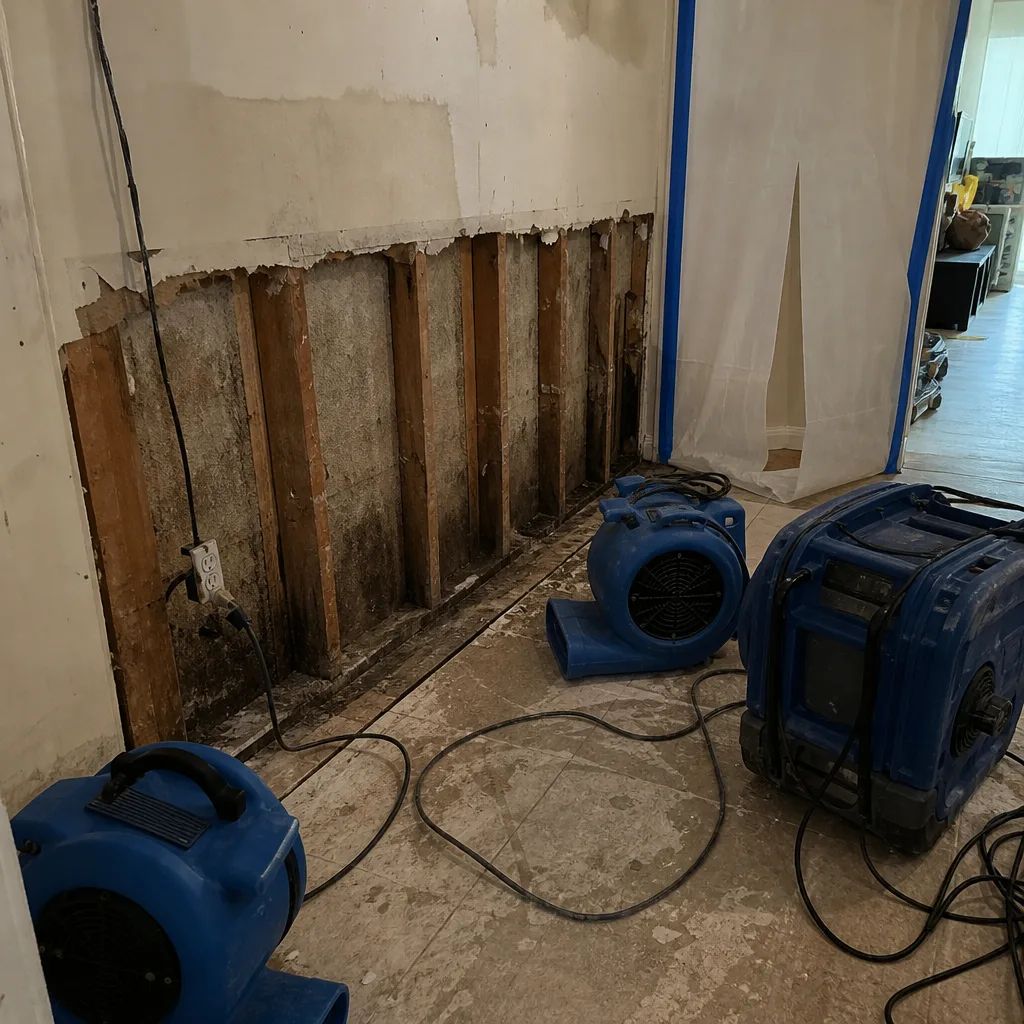 Before
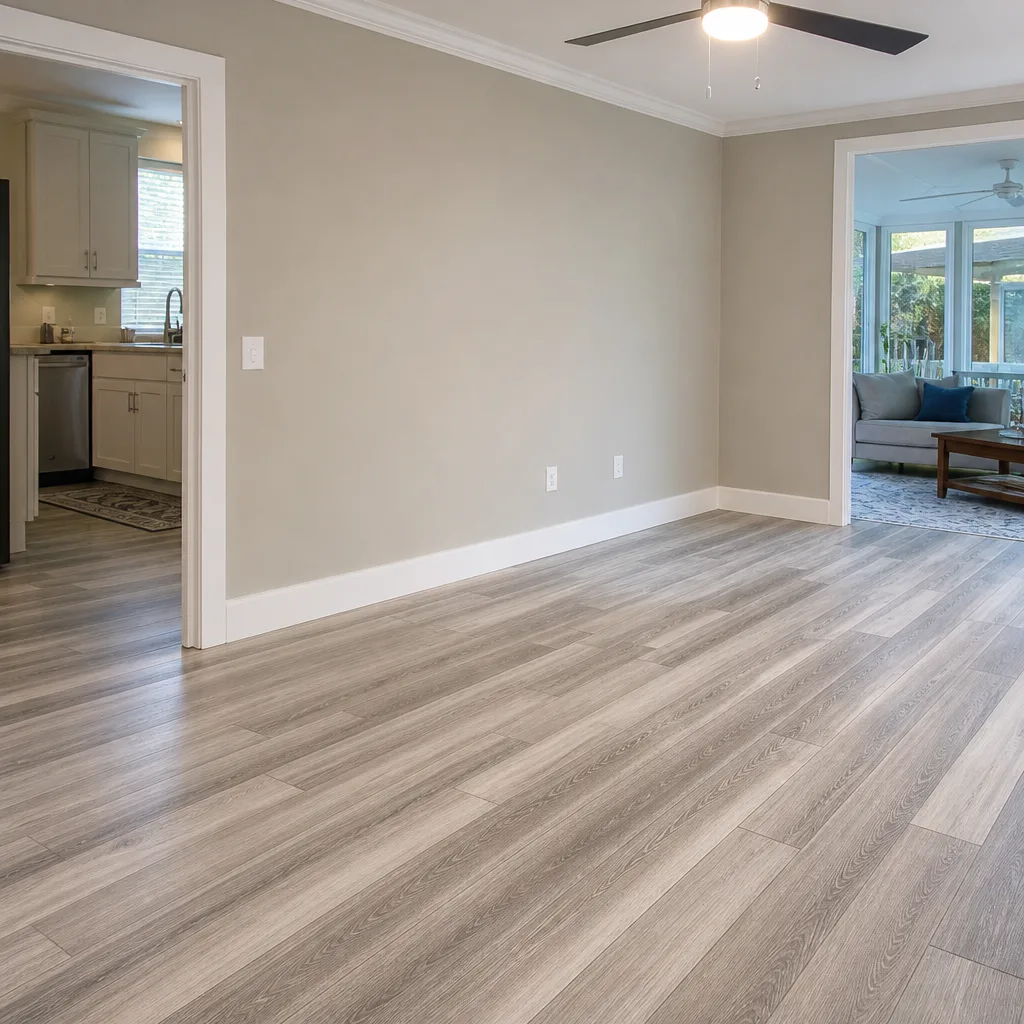 After
After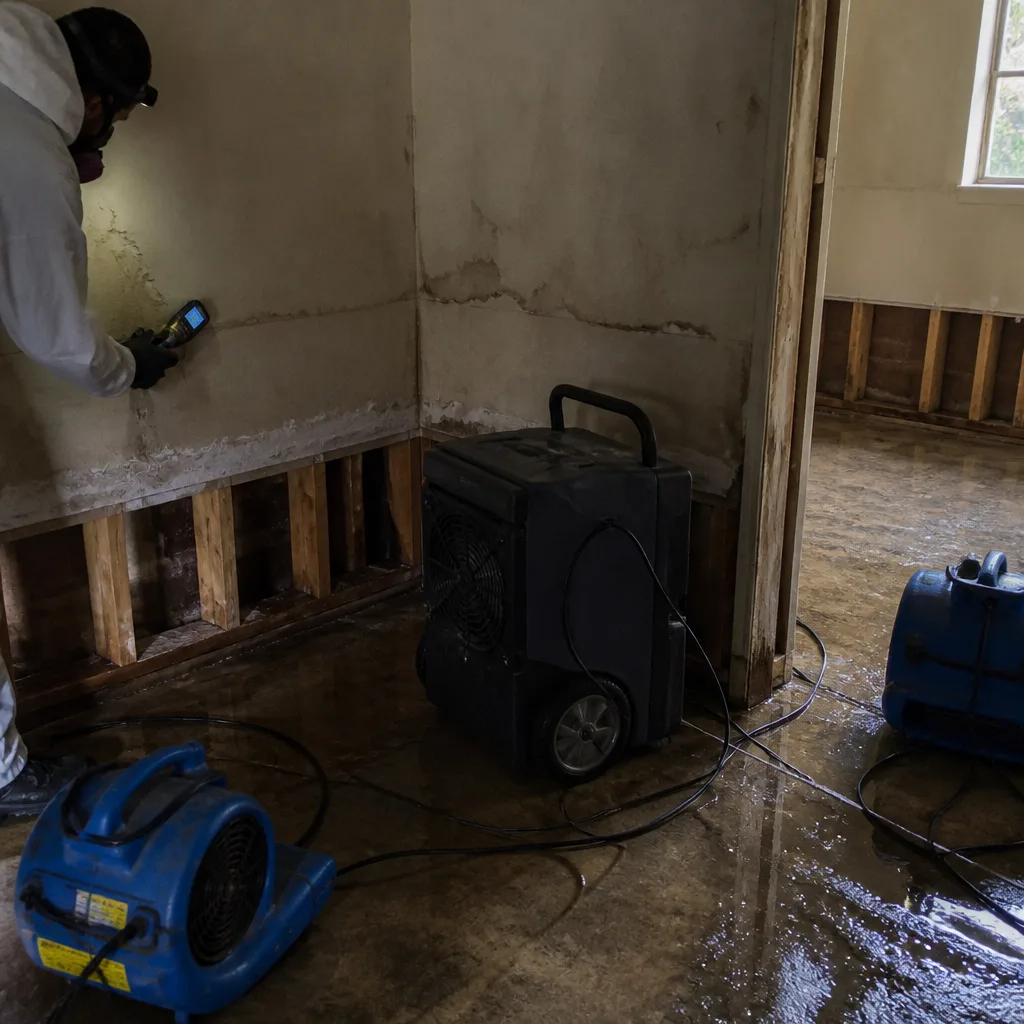 Before
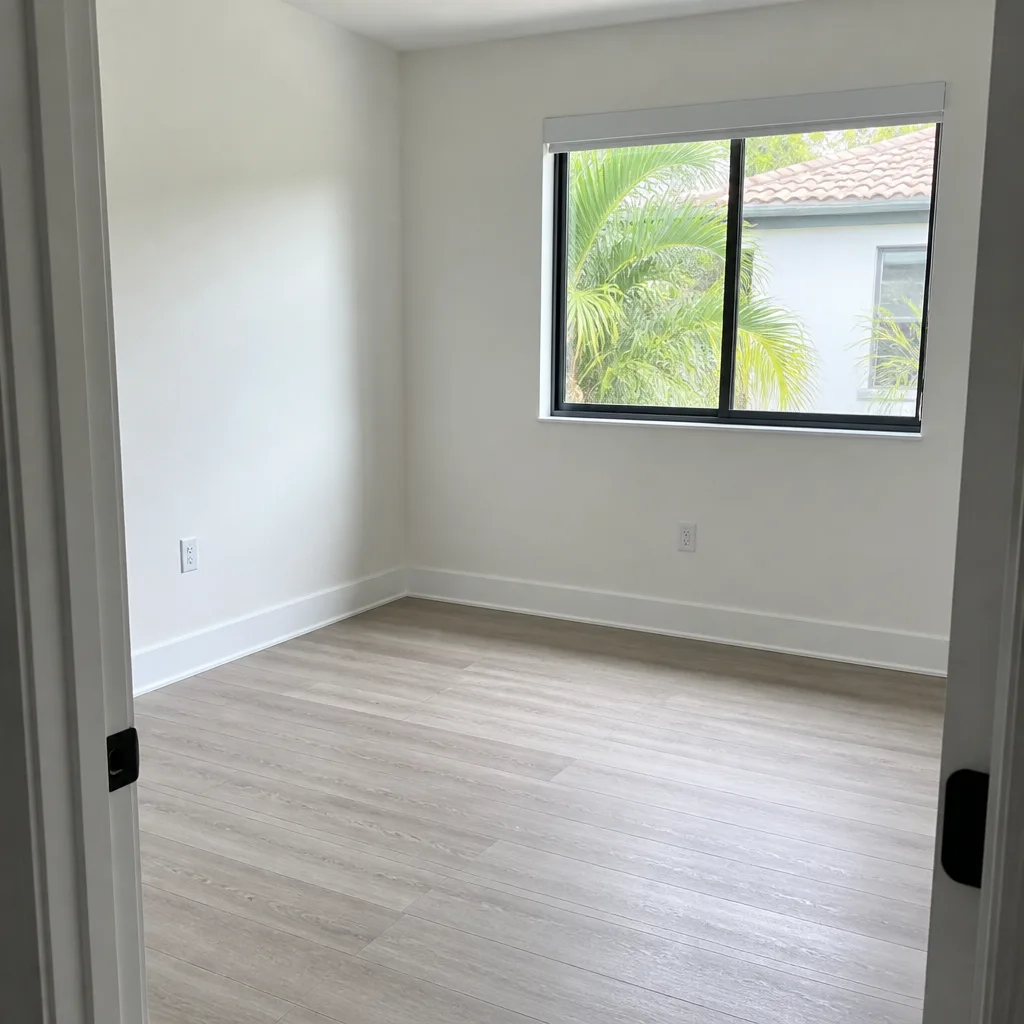 After
After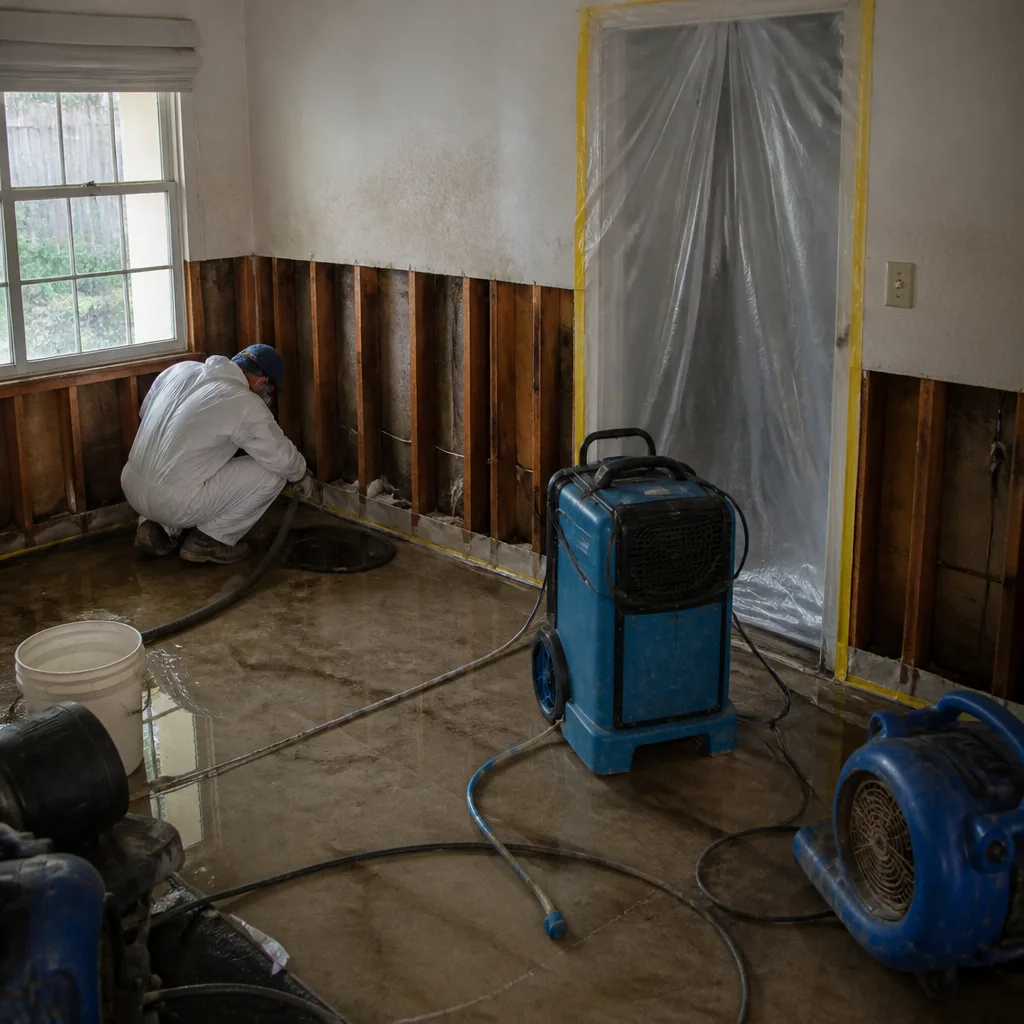 Before
 After
After