
Last updated October 16, 2026
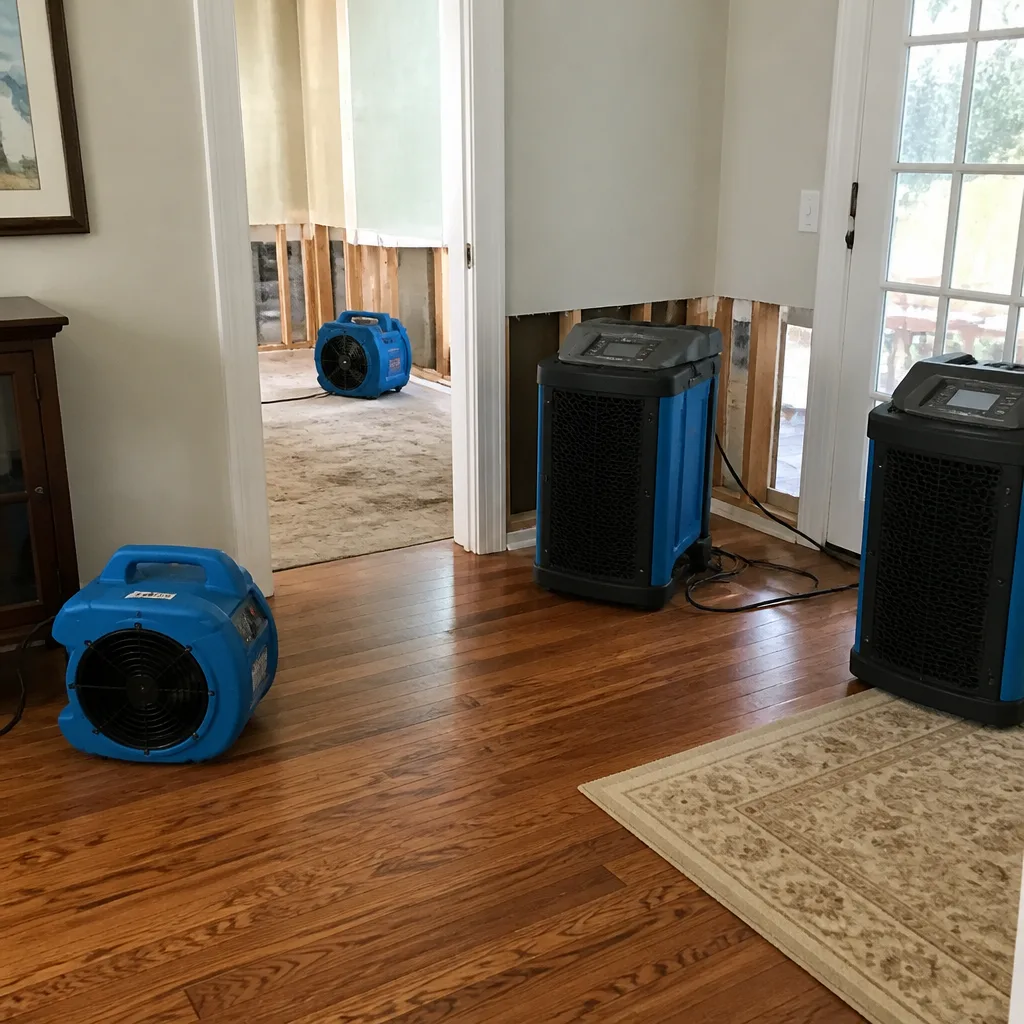 Water damage drying
 Fire & smoke cleanup
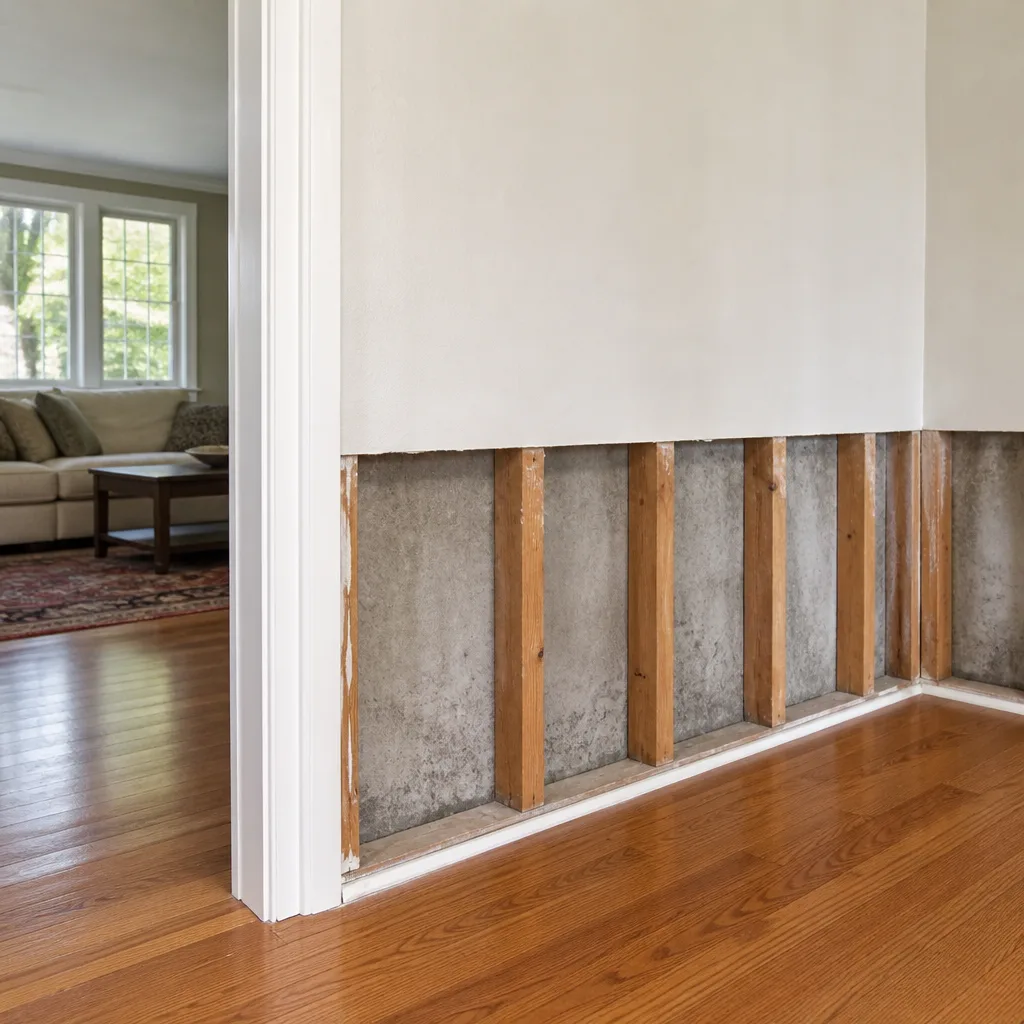 Mold remediation
 Storm response
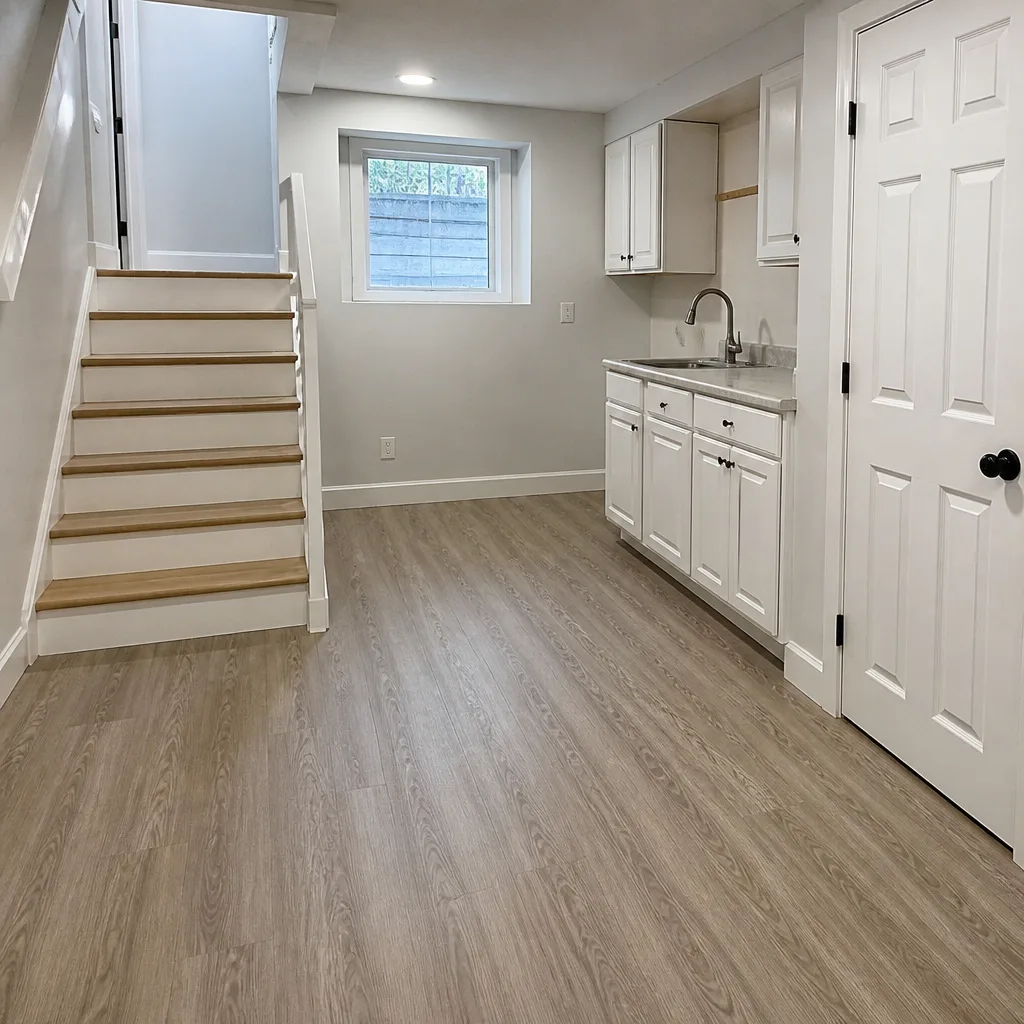 Sewage cleanup
 Reconstruction
Free visual inspection and a written scope of work before any mitigation begins - photos, moisture readings, and drying logs go in your claim file
The scope we write is the scope we bill. Anything new gets shown to you, in writing, before we touch it.
Get your free estimateSeasonal Damage Restoration Care for Fort Lauderdale: Year-Round Homeowner’s Guide
More Fort Lauderdale water damage claims are filed in the months following hurricane season than during it. It’s rarely from delayed storms. It’s from moisture that crept in through damaged roof seals, compromised caulk, and stressed pipe joints that homeowners didn’t discover until January’s dry season revealed what had been quietly failing for months. This guide walks through what to check, when to check it, and what each season actually does to a South Florida home, so you catch small problems before they become restoration projects. For a deeper dive, see our Complete Guide to Damage Restoration in Fort Lauderdale.
Restoration work we handle
Quick Answer
Fort Lauderdale doesn’t have four seasons. It has two water damage seasons: the wet season from May through October when storms, humidity, and roof leaks dominate, and the dry season from November through April when plumbing contraction, caulk shrinkage, and air conditioning condensation create slow damage inside walls and ceilings. The highest-ROI prevention window is April and May, before the first named storm forms. The highest-ROI inspection window is the 48 hours after any major rain event, even when nothing looks wrong.
Table of Contents
- Fort Lauderdale’s Two Water Damage Seasons
- The Pre-Hurricane Window: April – May Preparation Checklist
- The Dry Season: What November – April Does to Pipes and Caulk
- Air Conditioning Condensation: The Silent Dry Season Threat
- The Post-Storm 48-Hour Inspection Protocol
- Building a Claims-Ready Documentation Habit
- Common Mistakes to Avoid
- When to Call a Professional
- Frequently Asked Questions
- The Bottom Line
Fort Lauderdale’s Two Water Damage Seasons
If you’ve lived in Fort Lauderdale for more than a year, you already know the rhythm. May through October brings afternoon thunderstorms that arrive without warning, tropical systems that wobble unpredictably, and humidity that makes every porous surface work harder than it was designed to. November through April brings something subtler: lower humidity, cooler nights, and a slow contraction of the materials holding your home together. Both seasons produce water damage. They just do it differently.
The wet season is loud. Roof leaks announce themselves with ceiling stains. Window seals fail during wind-driven rain. French drains and gutters get tested by downpours that drop two inches of rain in an hour. This is what most people picture when they think of water damage restoration, and it’s real. In neighborhoods like Victoria Park and Rio Vista where homes date to the 1950s and 1960s, the older rooflines and original window frames make the wet season particularly unforgiving.
The dry season is quiet. Relative humidity drops from the mid-80s to the 60s. Wood framing, caulk joints, and pipe fittings lose moisture and contract. The change is small, measured in millimeters, but repeated across thousands of joints and seams in a typical home, it creates gaps that weren’t there in September. A pipe joint that held fine for years under constant humidity can start seeping in January. Caulk around a shower pan or window frame pulls away from the surface it once sealed. None of it announces itself. It just drips, slowly, behind drywall where no one looks until the musty smell or the baseboard stain shows up in March.
We begin most of our dry-season water damage restoration in Fort Lauderdale jobs knowing the leak started weeks before the homeowner noticed. The damage behind the wall is always bigger than the spot on the outside. That’s the nature of the quiet season.
Understanding this split matters because the response plan is different. Wet season demands preparation before the storm and inspection after it. Dry season demands monthly interior checks for slow leaks that never set off an alarm. Both are manageable with a calendar and a flashlight.
The Pre-Hurricane Window: April – May Preparation Checklist
April and May are the single highest-ROI months for home water damage preparation in Fort Lauderdale. The ground is typically drier, the storm tracks haven’t formed yet, roofing crews and restoration companies aren’t slammed, and every fix you make in May is a problem you don’t fix in September with water already inside your house. Here’s the prioritized list, ranked by cost-to-risk impact.
- Roof inspection and minor repair. Loose shingles, lifted flashing, cracked pipe boots around plumbing vents, and debris-clogged valleys are the most common entry points we find after storms. A roofing inspection in April costs a few hundred dollars. Replacing a pipe boot costs under $100. The alternative is a ceiling collapse or attic mold in August. If you can’t get on the roof, use binoculars from the ground and look for visible lifting, missing granules, or rusted flashing.
- Clean and test gutters, downspouts, and scuppers. Fort Lauderdale’s flat and low-slope roofs drain differently than up north. Many homes drain through roof scuppers and interior drains rather than gutters. A blocked scupper backs water up onto the roof membrane during a heavy storm. A blocked downspout sends water down the exterior wall, which eventually finds its way inside. Clean them in May and check them again in September.
- Inspect window and door seals. Wind-driven rain is not falling straight down. It’s moving sideways at 60 to 80 miles per hour during tropical storm force winds. The caulk and weatherstripping around windows and doors are your first line of defense. Run a visual check for cracked caulk, dried-out weatherstripping, and gaps where trim meets stucco. Re-caulk anything questionable. A $6 tube of sealant in May beats a water extraction in August.
- Check the garage door and entry seals. Garage doors face the wind side of most Fort Lauderdale homes. A worn bottom seal lets storm water flow under the door and across the garage floor, where it soaks drywall, boxes, and anything electrical plugged in at floor level. Replace bottom seals every two to three years.
- Clear your property drainage path. Fort Lauderdale sits close to sea level. When the ground gets saturated, water has nowhere to go except toward your slab. Make sure the grade slopes away from the foundation, that splash blocks exist at every downspout, and that no landscaping has built up soil against stucco or siding. Six inches of clearance between soil and stucco is the rule of thumb.
- Photograph everything. Take dated photos of your roof, ceilings, windows, outdoor drain paths, and any areas you repaired. This is your pre-season baseline. If a storm causes damage later, these photos become your proof of what changed. Insurance adjusters respond to time-stamped evidence far better than they respond to verbal descriptions.
Running through this list every April takes one weekend. It’s the single most efficient use of time for any Fort Lauderdale homeowner who wants to keep water damage claims off their record and restoration crews out of their house.
The Dry Season: What November – April Does to Pipes and Caulk
During Fort Lauderdale’s wet season, everything is swollen. Wood framing absorbs ambient moisture and expands slightly. Caulk stays pliable and full. Pipe joints stay under consistent temperature and humidity, which means they stay seated. Then November arrives, the relative humidity drops, the overnight temperatures dip into the 50s on the cooler nights, and every one of those materials begins to contract.
PVC pipe, which runs through most Fort Lauderdale homes built after the 1970s, expands and contracts with temperature changes more than older copper or galvanized steel. The slip joints and glued connections absorb most of this movement, but not all of it. Over many dry seasons, the repeated expansion-contraction cycle works joints loose. A joint that held fine through September can develop a slow seep by January. Because dry season leaks don’t come from a single dramatic event, homeowners usually discover them by finding a warped baseboard, a musty smell in a closet, or a discolored spot on the ceiling that’s been there for weeks.
Caulk fails the same way. The bead of sealant that ran perfectly along your shower pan, tub surround, window frame, and exterior door trim in August is now pulling away from one side of the joint. Run a fingertip along these beads in January. If the caulk is cracked, brittle, or lifting, moisture is getting behind it. In a shower, that means water seeping into the wall cavity every time someone takes a shower. By the time the grout or tile shows staining, the damage behind the wall is already significant. This is the most common route to the mold remediation in Fort Lauderdale jobs we handle during the dry season.
Here’s a dry season interior check you can do in under 30 minutes, once a month from November through April:
- Run your hand along the caulk in every bathroom: tub, shower, sink, toilet base. Re-caulk anything cracked or separating.
- Open every under-sink cabinet and feel the back wall and the base for moisture. Check the shutoff valves for drips or corrosion.
- Look at ceilings in rooms directly below bathrooms and the water heater closet. Any discoloration, even faint, is a leak signal.
- Inspect the water heater itself: the pressure relief valve pipe should be dry, the base should be dry, and there should be no rust streaks.
- Walk the exterior perimeter and look for caulk separation around window frames, door trim, and where the stucco meets any flashing.
The dry season doesn’t stop water damage. It just moves it inside, where it’s harder to see and slower to announce itself.
Air Conditioning Condensation: The Silent Dry Season Threat
Here’s something most Fort Lauderdale homeowners never think about until the ceiling stain appears: your air conditioner is creating water every minute it runs, and for most of the dry season, it’s running every day. A typical South Florida AC system produces 5 to 20 gallons of condensation per day depending on home size, temperature settings, and outdoor humidity. That water is supposed to drain through a small PVC condensate line and exit near the outdoor unit.
When that system works, the water leaves and no one ever notices. When the drain pan cracks, the drain line clogs with algae and biological slime (a constant issue in Florida’s warm, humid air handler environment), or the float switch fails, that water overflows. Depending on where the air handler sits, the overflow goes into the ceiling, into a closet wall, or across finished flooring. We regularly see air handlers in Fort Lauderdale attics and overhead closet spaces where a failed condensate system has been dripping into drywall for days before the ceiling finally showed a wet spot.
The dry season makes this worse for a specific reason: lower humidity means the AC runs less frequently in spurts rather than constantly, which lets biological growth develop in the drain line during the off cycles. Then when the system runs again, the line is partially blocked, drainage slows, and the pan overflows.
Here’s how to check your AC condensation system before it overflows:
- Locate the condensate drain line. It’s a PVC pipe, usually 3/4 inch, coming off the indoor air handler and exiting outside near the condenser unit. If you don’t know where it exits, find the air handler and follow the smaller PVC pipe.
- Check the exit point during a run cycle. Water should be dripping steadily while the system runs. No drip usually means a clog that’s building up.
- Clear the line preventively. Pour a cup of white vinegar or a condensate cleaner down the line twice a year, once in April before the wet season and once in October before the dry season. If the line is already clogged, a wet/dry vac attached to the exterior exit point can pull the blockage out in most cases.
- Inspect the drain pan. For air handlers in attic or closet installations, look for a secondary drain pan underneath. If it’s holding water, the primary drain is blocked and the system is one clog away from overflowing.
- Check the float switch. Most Florida code-compliant systems have an overflow kill switch that shuts the AC down when the pan fills. Test it annually by having a licensed HVAC tech verify it works.
If a condensate overflow has already happened and you see a ceiling stain, treat it like any water damage: cut off the water source, contain the wet area, and get it dried with professional-grade equipment. A wet ceiling with warm Florida air behind it grows mold fast. This is exactly the kind of job where we deploy Dri-Eaz drying equipment and moisture meters to confirm the cavity is dry, not just the surface.
The Post-Storm 48-Hour Inspection Protocol
You made it through the storm. Nothing looks wrong from the couch. That’s precisely when small water damage starts doing its worst work, because water that penetrates a building envelope during a heavy rain event doesn’t always show itself on the interior surface for days. The drywall stays intact while the sheathing behind it stays wet, and in Fort Lauderdale’s warmth, mold growth can begin in as little as 24 to 48 hours on a wet organic surface.
After any named storm, any major rain event that brought water against your walls, or any prolonged rain with wind, run this inspection within 48 hours:
- Walk the exterior slowly. Look for missing shingles or tiles, lifted flashing, dented or torn roof edge metal, and debris that’s now resting against the house. Every place where water can pool against an exterior wall is a future leak.
- Check the attic or ceiling crawl space. Use a flashlight and look up at the underside of the roof decking. Look for dark spots, water trails, or any area that looks wet compared to surrounding wood. Feel for damp insulation batts. Water runs downhill and sideways in attics, so the stain on the decking may not be directly under the roof breach that caused it.
- Inspect every ceiling and wall corner in the house. Go room by room. Look for hairline cracks with tan staining, bubbling paint, or any area that feels cool to the touch. Touch the walls in places you rarely touch, particularly exterior-facing walls on the windward side of the house.
- Open the electrical panel and smell. Just a sniff. If you smell anything acrid or fishy, that’s often the signature of wiring that got wet behind a wall. Kill the relevant breaker and call an electrician, then a restoration company. No exceptions.
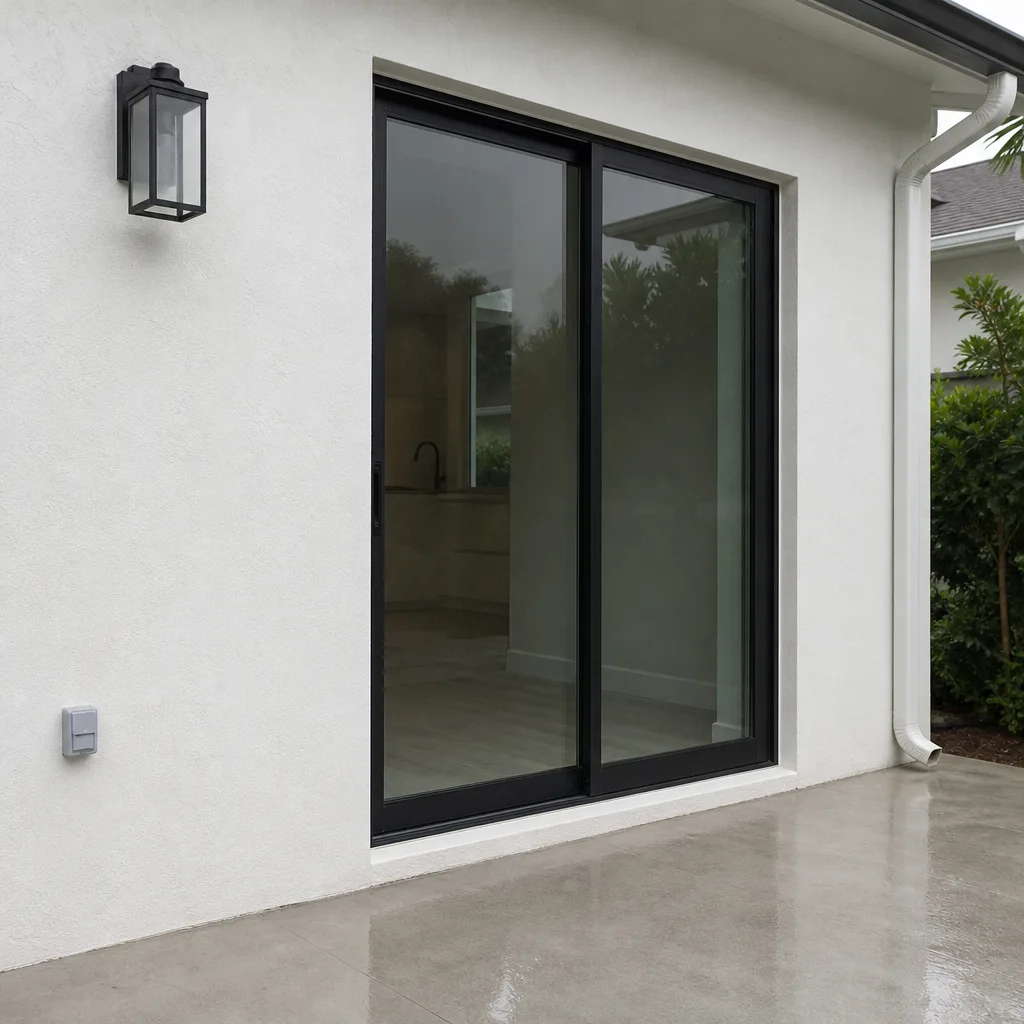
- Check window sills, door thresholds, and sliding glass door tracks. Run a dry cloth along the bottom track. If the cloth comes up damp, water may be tracking inside the frame. For sliding doors, check for water sitting under the track cover.
- Look at the baseboards in every room. In Fort Lauderdale’s slab-on-grade construction, water that intrudes at floor level travels laterally under flooring and wicks up into drywall through the bottom plate. A swollen or stained baseboard is a red flag.
If you find anything suspicious, photograph it immediately with a time stamp, then call a professional who can put a moisture meter inside the wall cavity. Most residential insurance policies in Florida have specific reporting windows for storm-related water damage, and waiting a week to file weakens the claim. This is not a season to be polite and wait. Document, report, and start drying within the 48-hour window.
Building a Claims-Ready Documentation Habit
Insurance adjusters deal in one currency: documentation. The homeowner who can show dated photos, repair invoices, and maintenance records before the storm, after the storm, and after any repair, is the homeowner whose claim gets approved faster and paid in full more often. The homeowner who only has a verbal story about how the ceiling looked fine in September is the homeowner whose claim stalls.
Here’s the documentation habit we tell every Fort Lauderdale homeowner to build. It costs nothing and takes minutes per month:
- Photograph your home’s interior and exterior every January and every June. Wide shots of every room ceiling to floor, closer shots of any areas you’ve repaired or flagged, and exterior shots of walls, windows, and the roofline. Store them in a cloud folder. These are your baseline photos.
- Photograph every repair you do the day you do it. Re-caulked the shower? Replaced a window seal? Cleared the gutters? Take a before photo, an after photo, and keep the receipt. Maintenance history is proof of responsible ownership and directly counters adjuster assumptions about pre-existing conditions.
- Log every moisture event. A ceiling stain, a musty smell, a window leak, an AC condensate overflow, a plumbing drip. Date it, describe it, photograph it, and log what you did about it. If you called a contractor of any kind, save the invoice.
- Keep copies of any professional inspections. The pre-season roof inspection you get in May doubles as documentation that the roof was intact before the September storm.
- Never throw away a restoration or remediation report. If our team dries out a bathroom this year, that report with equipment logs, drying logs (daily moisture readings), and the completion certificate is a permanent record of the damage, the scope, and the correct repair. It’s gold for both resale and future claims.
The pattern here is simple: when water damage happens, the question is never whether it will be documented. The question is whether the documentation will favor you or the insurance carrier. Building the habit now means the record starts reflecting your diligence before anything ever goes wrong.
Common Mistakes to Avoid
- Ignoring a small ceiling stain during the dry season. A stain the size of a dinner plate means the actual wet area behind the drywall is usually two to three times larger. In Fort Lauderdale’s warmth, mold begins growing within that hidden area within days. A small stain is never just a stain.
- Not clearing roof scuppers and drains before the wet season. Homes with flat or low-slope roofs drain differently than pitched roofs, and a blocked scupper backs water up onto the roof membrane itself. The leak this creates often shows up on an interior wall far from the actual drain location, which confuses the diagnosis and delays repair.
- Running to a big box store to buy a dehumidifier after a leak. A consumer dehumidifier pulls a fraction of the moisture that a professional Dri-Eaz or Phoenix unit extracts, and without proper containment and airflow, surface drying masks moisture locked inside wall cavities. The structure dries unevenly, and mold finds the wet spots. If the leak was more than a splash, call a pro before the box store.
- Using ceiling stain paint to hide water damage without fixing it. Mildew-resistant primer and paint covers the stain. It does nothing to the moisture source or the wet drywall behind it. Cover the stain, and you guarantee the next time you see the problem it will be bigger.
- Skipping the post-storm exterior walk. After big storms in Fort Lauderdale, tree limbs, roof gravel, and wind-blown debris collect against exterior walls and in drainage paths. That debris traps moisture against stucco and creates new entry points. A five-minute walk the day after a storm prevents weeks of hidden soaking.
- Assuming homeowners insurance automatically covers slow leaks. Most Florida property policies distinguish between sudden and accidental water damage and what adjusters call “continuous or repeated seepage.” A pipe that’s been dripping behind a wall for two months often falls into the second category, and the claim gets denied. This is why monthly interior checks and immediate repair response matter so much in Fort Lauderdale.
When to Call a Professional
Some water problems you can handle with caulk and a weekend. Others need professional drying, extraction, and scope documentation. Call a restoration company when water covers more than a small area you can towel dry yourself, when water has penetrated wall cavities or under flooring, when a ceiling shows staining or sagging, when any water has touched electrical wiring, or when you suspect mold but can’t see the full extent. Time is the multiplier on every one of these scenarios. The faster professional-grade equipment gets into the affected area, the faster it dries and the less demolition is required. Marsh Water Damage Fort Lauderdale offers free estimates in Fort Lauderdale and answers with a live person 24/7. Call (754) 755-2815 and we’ll discuss what you’re seeing, what it likely means, and whether it warrants a site visit.
Frequently Asked Questions
Most residential water extractions in Fort Lauderdale run between $1,800 and $4,500 before drying equipment is staged, with the total depending on the size of the affected area, the category of water, and how far the water traveled. For a detailed breakdown of what drives these numbers, see our Damage Restoration Cost Breakdown: The Fort Lauderdale Homeowner’s Reference for 2026. A simple water heater leak contained to a utility closet lands at the low end. A roof leak that soaked through flooring and into wall cavities lands higher. Every Marsh job receives a written price before any work begins, so you’ll know the exact number before equipment rolls in. Call (754) 755-2815 for a specific quote.
Marsh Water Damage Fort Lauderdale answers with a live person 24 hours a day, 7 days a week, including holidays, and can typically have a crew dispatched the same day for active water emergencies. The responding technician is verified under the Threshold Standard, which means you receive their name and photo before they arrive, and they show that same ID at your door. Call (754) 755-2815 and a human answers.
Sudden and accidental water damage, such as a burst pipe or storm-driven water intrusion, is generally covered under standard Florida homeowners policies, though recent changes to Florida insurance rules vary by carrier and policy form. Gradual damage from slow, continuous leaks is often excluded under seepage provisions. Documentation is your strongest position in either case. Our team provides photo-documented assessments and works directly with your adjuster throughout the claim, so the evidence is collected professionally from the first visit.
Run a full visual inspection once per month during the dry season from November through April, plus the post-storm 48-hour walkthrough after any major rain event during the wet season. The dry season monthly check focuses on pipe joints, caulk, under-cabinet moisture, and AC condensation systems. The post-storm check focuses on roofs, ceilings, walls, and entry points. Together they catch nearly every problem before it becomes a restoration project.
Fans and home air conditioning create surface drying, but they don’t reach moisture trapped inside wall cavities, under baseboards, or beneath flooring. In Fort Lauderdale’s mold-friendly warmth, trapped moisture in an enclosed cavity becomes a mold source within 24 to 48 hours. Professional restoration uses equipment like Dri-Eaz and Phoenix air movers and dehumidifiers with moisture meters that confirm when the area is genuinely dry throughout the structure, not just dry to the touch.
The 365-Day Done Right Promise means every repair is backed for a full year. If the repair is not right within 365 days, Marsh makes it right, including a free second visit if the repair fails. The guarantee is printed on every work order, along with the written price and the written guarantee. It’s not a promotional offer or a limited-time term. It’s the standing commitment on every job we do in Fort Lauderdale.
Marsh Water Damage Fort Lauderdale coordinates directly with your insurance adjuster throughout the restoration process. We provide photo-documented assessments, written scopes of work, and drying logs that meet industry documentation standards. We handle the evidence and the paperwork. You handle the conversation with your family. If you’re unsure whether to file a claim, call us first at (754) 755-2815 and we’ll help you think through what’s worth filing before the reporting window closes.
The Bottom Line
Fort Lauderdale water damage prevention is a calendar habit, not a one-time effort. Pre-hurricane season in April and May is the highest-ROI preparation window. The dry season demands monthly interior checks for slow leaks and AC condensation failures. The 48 hours after any major storm are the highest-ROI inspection window. And documentation is the invisible layer that makes every future claim and every future repair stronger. Build these habits now, and the restoration crews stay on someone else’s calendar. For more guides & resources on protecting your home, visit our blog. If you do find water where it shouldn’t be, Marsh Water Damage Fort Lauderdale is a phone call away at (754) 755-2815, with a live person answering around the clock, a written price before any work starts, and the 365-Day Done Right Promise on every job.
Written by Tobias Reyner, Owner at Marsh Water Damage Fort Lauderdale, serving Fort Lauderdale since 2005.
See the difference
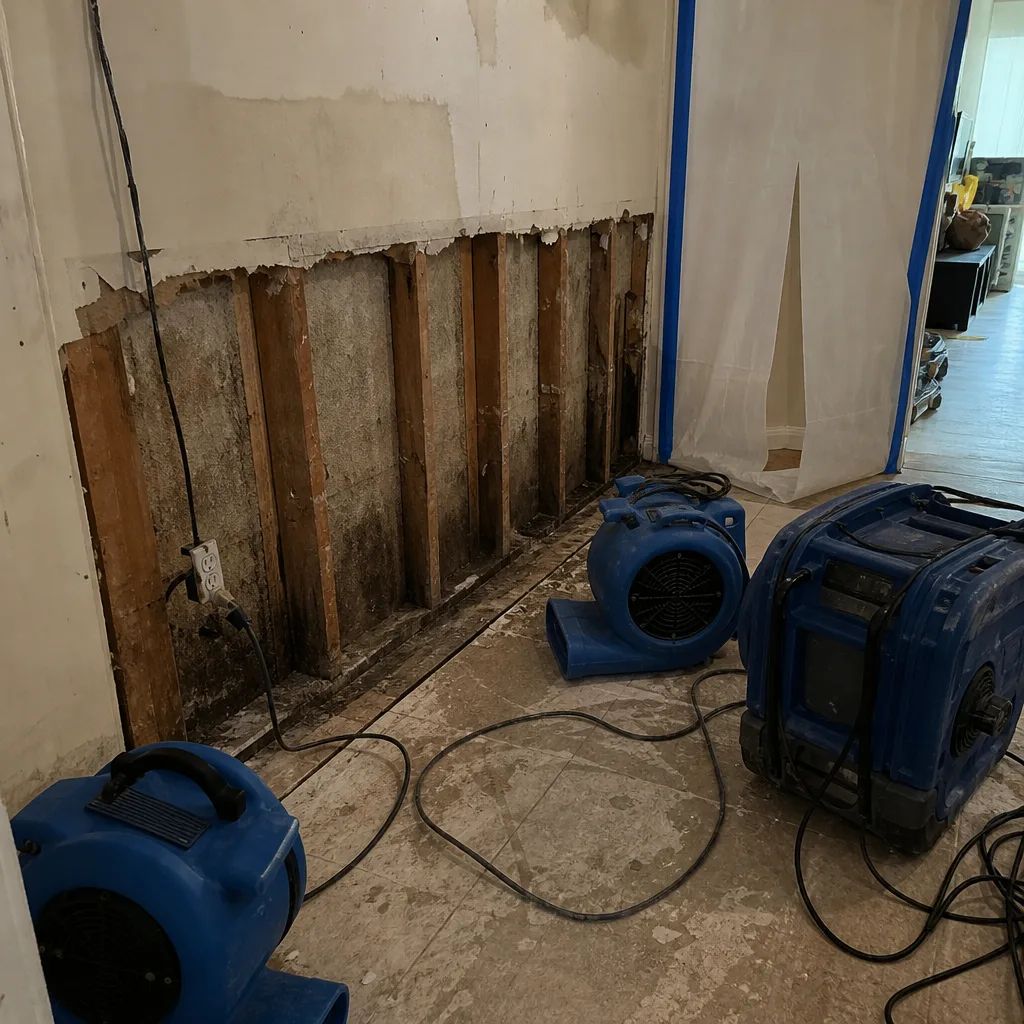 Before
 After
After Before
 After
After Before
 After
After