
Last updated October 16, 2026
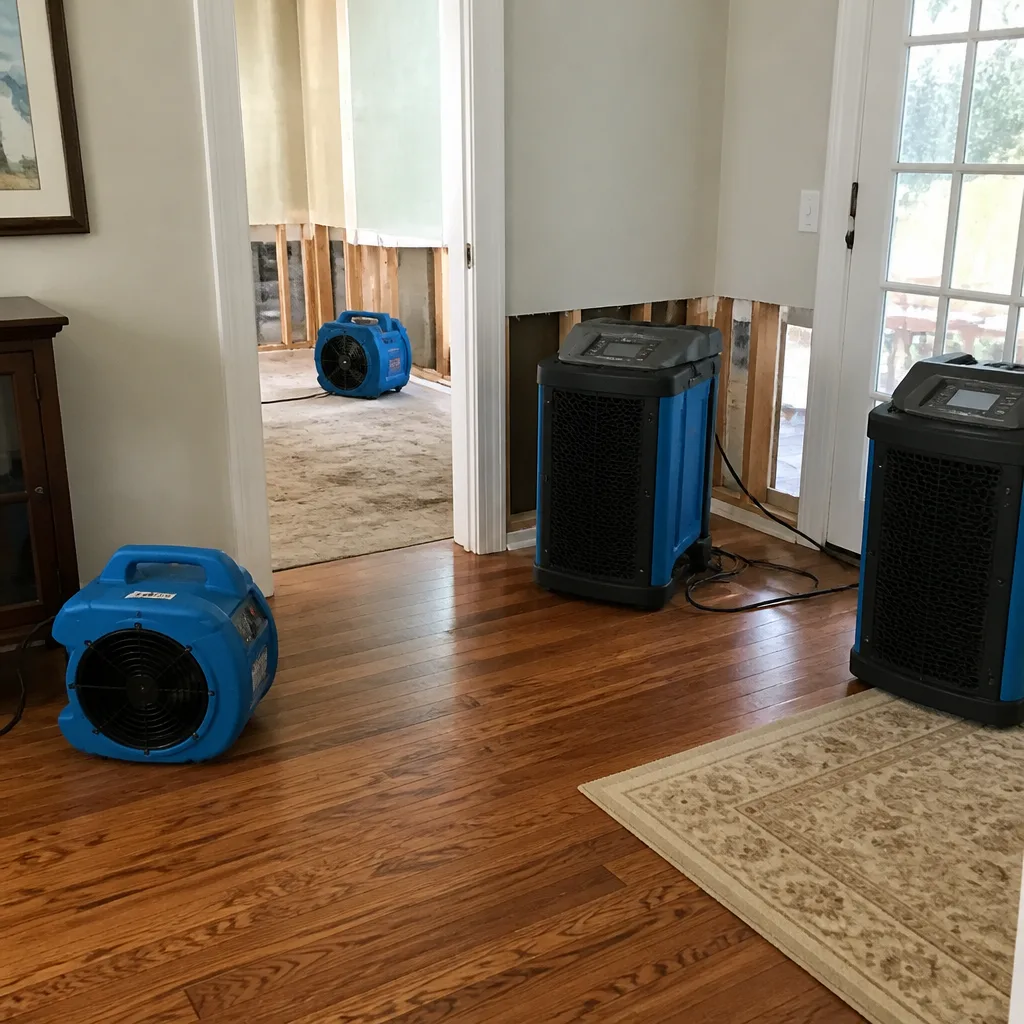 Water damage drying
 Fire & smoke cleanup
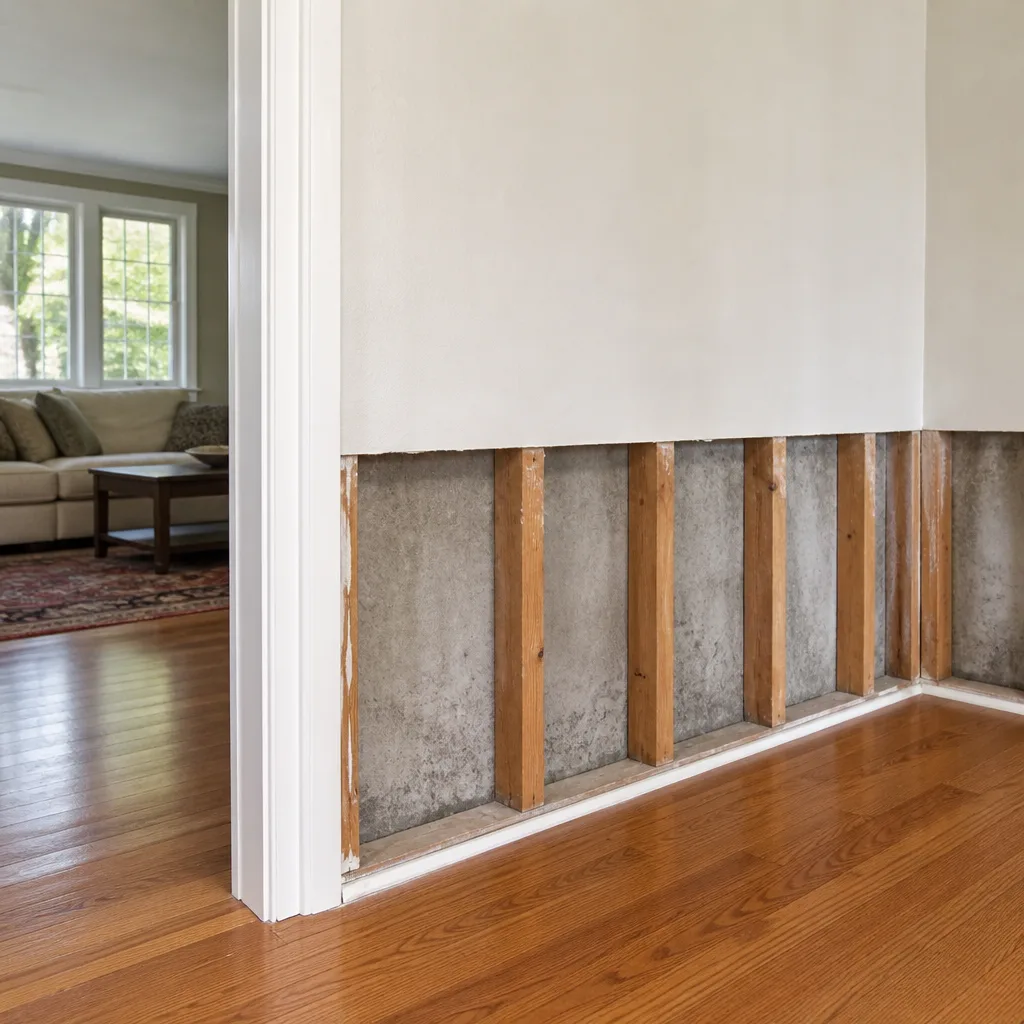 Mold remediation
 Storm response
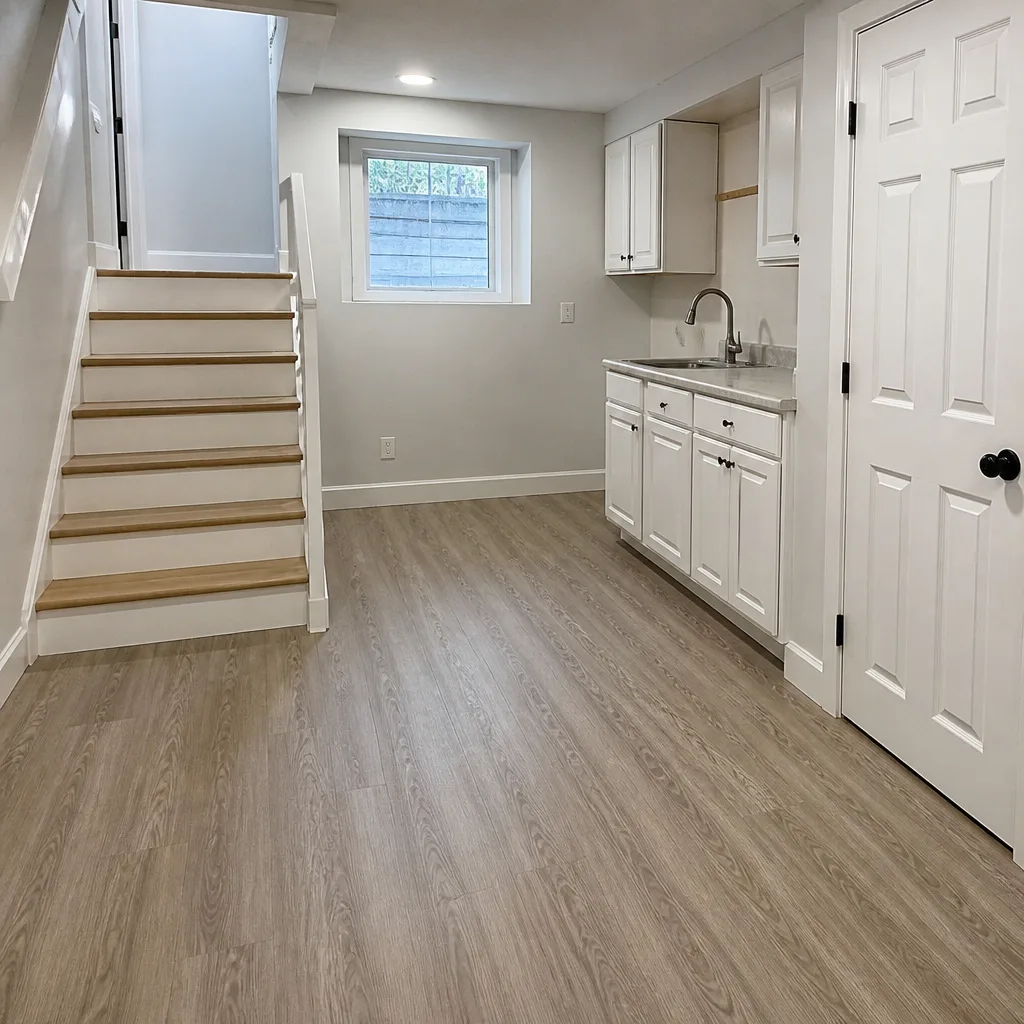 Sewage cleanup
 Reconstruction
Free visual inspection and a written scope of work before any mitigation begins - photos, moisture readings, and drying logs go in your claim file
The scope we write is the scope we bill. Anything new gets shown to you, in writing, before we touch it.
Get your free estimateWater Damage Restoration Maintenance Checklist for Fort Lauderdale Homeowners
Insurance adjusters in South Florida report that the majority of residential water damage claims they process were preceded by a visible warning sign the homeowner noticed but didn’t act on. Not because they were negligent. Because no one told them that a slow drip under a vanity and a $40,000 subfloor replacement are the same event, separated only by time. This guide-along with The Complete Guide to Damage Restoration in Fort Lauderdale-strips away the generic advice and gives you the seven physical spots in a Fort Lauderdale home where water damage actually starts, plus a 20-minute monthly habit built around only those spots. Everything else is noise.
Quick Answer
A Fort Lauderdale water damage prevention checklist is not a yearly spring-cleaning exercise. It is a monthly 20-minute walkthrough of seven specific locations: water heater closet, HVAC drain pan and condensate line, under-sink vanities, washing machine supply hoses, outdoor hose bibs and irrigation boxes, door and window flashing, and the main water shutoff valve. In our climate, with humidity above 70% for much of the year and hurricane-driven rain events, these seven spots account for the overwhelming majority of residential water losses our Water Damage Restoration services address. Check them monthly, and you’ll catch failure while it is still a $20 fix instead of a $4,000 drying job.
Restoration work we handle
Table of Contents
- The Seven Highest-Risk Moisture Points in a Fort Lauderdale Home
- The 20-Minute Monthly Walkthrough
- Month-by-Month Fort Lauderdale Maintenance Calendar
- How to Test Your Water Shutoff Valve (Before You Need It)
- Thermal Bridging and Hidden Condensation in Florida Construction
- Documenting Your Home for Insurance Claims
- Common Mistakes to Avoid
- When to Call a Professional
- Frequently Asked Questions
The Seven Highest-Risk Moisture Points in a Fort Lauderdale Home
Fort Lauderdale construction has its own personality. We have slab foundations, not basements. We have stucco over concrete block, not vinyl siding over wood framing. We have flat or low-slope roofs on many townhomes and mid-century builds, not steep asphalt shingle pitches. And we have salt air, high water tables, and rain that arrives sideways in August. Those realities mean water enters homes here through predictable paths. After nearly two decades of drying out Fort Lauderdale homes, we can rank those paths by claim frequency.
1. Water Heater Closet Failures
In most Fort Lauderdale homes, the water heater lives in a small interior closet, often near the kitchen or in a hallway. The tank sits in a shallow metal pan with a drain line that is supposed to carry a leak to the outside. Here’s what we find on almost every older installation: the drain line is clogged with dust and dead roaches, or the pan has rusted through, or the tank is original to a house built in the 1990s and running on borrowed time. When a 40-gallon tank lets go, it releases all 40 gallons in under a minute. If that pan drain is clogged, all of it goes into the drywall, the baseboards, and the flooring outside the closet.
What to check: Open the closet door. Look at the pan under the tank. Is it dry? Can you see the drain opening? Pour a cup of water into the pan and confirm it actually drains. Touch the floor around the closet. Any softness or discoloration means moisture has already escaped. And check the tank’s age. Most residential water heaters in Fort Lauderdale last 8 to 12 years, not 15. If yours is older than a decade, replace it preemptively. The math is simple: a new water heater costs around $900 to $1,800 installed in Broward County. A ruptured tank cleanup and rebuild can run $15,000 to $40,000 depending on what got wet.
2. HVAC Condensate Line Clogs and Drain Pan Overflows
Your air conditioner runs 10 months a year in Fort Lauderdale and pulls gallons of moisture out of the air every single day. That condensate drains through a thin PVC pipe, usually into a bathroom sink trap or a floor drain in the garage. In our humid climate, that pipe grows algae and sludge inside. When it clogs, the water backs up and overflows the drain pan inside your air handler. From there it soaks the closet ceiling, the drywall around the unit, and often the ceiling of the room below.
This is one of the most common water damage calls we get in Fort Lauderdale, from Victoria Park to Coral Ridge to Riverland. The homeowner notices a brown stain spreading on the ceiling under the air handler closet and assumes it’s a roof leak. It’s almost always the condensate line.
What to check: Look at the drain pan under the air handler. It should be dry. Bone dry. If there’s standing water, the line is partially clogged and you’re days away from an overflow. Pour a cup of white vinegar into the condensate line’s cleanout access once every 30 days to slow algae growth. And if you see a ceiling stain under the unit, don’t wait. The standing water in that pan is already wicking into drywall.
3. Under-Sink Vanity Leaks and Slow Drips
Under-sink cabinets are dark, closed, and rarely opened. Inside them, P-trap connections loosen, supply lines degrade, and tiny drips go unnoticed for months or years. The particleboard cabinet base absorbs moisture like a sponge, swells, and spreads moisture into the subfloor. In a Fort Lauderdale slab home, that moisture then travels under the tile and into the drywall behind the baseboards. The damage accelerates because our indoor humidity never really drops low enough to dry anything out on its own.
We’ve pulled vanities in Fort Lauderdale homes and found subfloors soft enough to push a screwdriver through, all from a drip that probably leaked a few tablespoons of water a day for two years.
What to check: Once a month, open every cabinet under every sink in the house. Touch the base with your hand. Touch the back wall. Run your fingers along the supply lines and the P-trap. Any wetness, any staining, any swelling, any musty smell, any warped wood is a problem. Tighten loose connections with your hand. Replace supply lines every 5 years even if they look fine. We recommend the stainless steel braided type, which run about $12 to $20 per line at any hardware store and take ten minutes to swap.
4. Washing Machine Supply Hoses
The washing machine supply hose is the single most destructive water failure in any home, and Fort Lauderdale homes are not exempt. A burst washing machine hose releases 6 to 8 gallons per minute at full supply pressure, and it keeps releasing until someone shuts off the valve. If it lets go at 2 a.m. while you’re asleep, you can easily have an inch of standing water across a thousand square feet by morning.
The failure mechanism is simple: the rubber inside the hose degrades from constant pressure and chlorine in the water supply. A tiny bulge forms. The hose bursts. The fix is also simple: replace rubber washing machine hoses with braided stainless steel hoses, which fail at a tiny fraction of the rate.
What to check: Look at your washing machine supply hoses right now. Are they black rubber? Replace them. Are they braided steel? Check for bulges, kinks, or corrosion at the fittings. And here’s the habit that matters more than any monthly check: turn off the supply valves when you leave town for more than 3 days. A whole-house shutoff is even better. Most water damage happens when no one is home to hear the water running.
5. Outdoor Hose Bibs, Irrigation, and Exterior Penetrations
Fort Lauderdale’s rainy season is relentless. From May through October, we get 50 to 70 inches of rain depending on the year, and much of it arrives as intense afternoon downpours. Any gap in a home’s exterior shell becomes a water entry point during those events. The most common culprits we see: hose bibs with degraded internal washers, irrigation valve boxes that fill with water and wick into the stucco, gaps around exterior electrical conduits and cable lines, and cracked stucco at window corners.
Stucco over concrete block is a great Fort Lauderdale exterior system, but it is not waterproof. It is water-resistant. When water gets behind it through a crack or gap, it can sit there for weeks, feeding hidden mold and slowly staining interior drywall.
What to check: Walk the exterior once a month. Look at the hose bibs. A steady drip when the hose is off means the washer inside is worn. Look at the irrigation box by the street or in the side yard. Standing water in that box after the rain has stopped means the drain isn’t working and the surrounding soil stays saturated, which means water is pressing against your foundation and slab. Look at every penetration: the conduit for your AC condenser, the cable lines, the gas meter line. Any gap bigger than a pencil eraser needs caulk. Silicone or polyurethane caulk, not latex painter’s caulk, which cracks in South Florida’s UV and heat.
6. Door and Window Flashing Failures
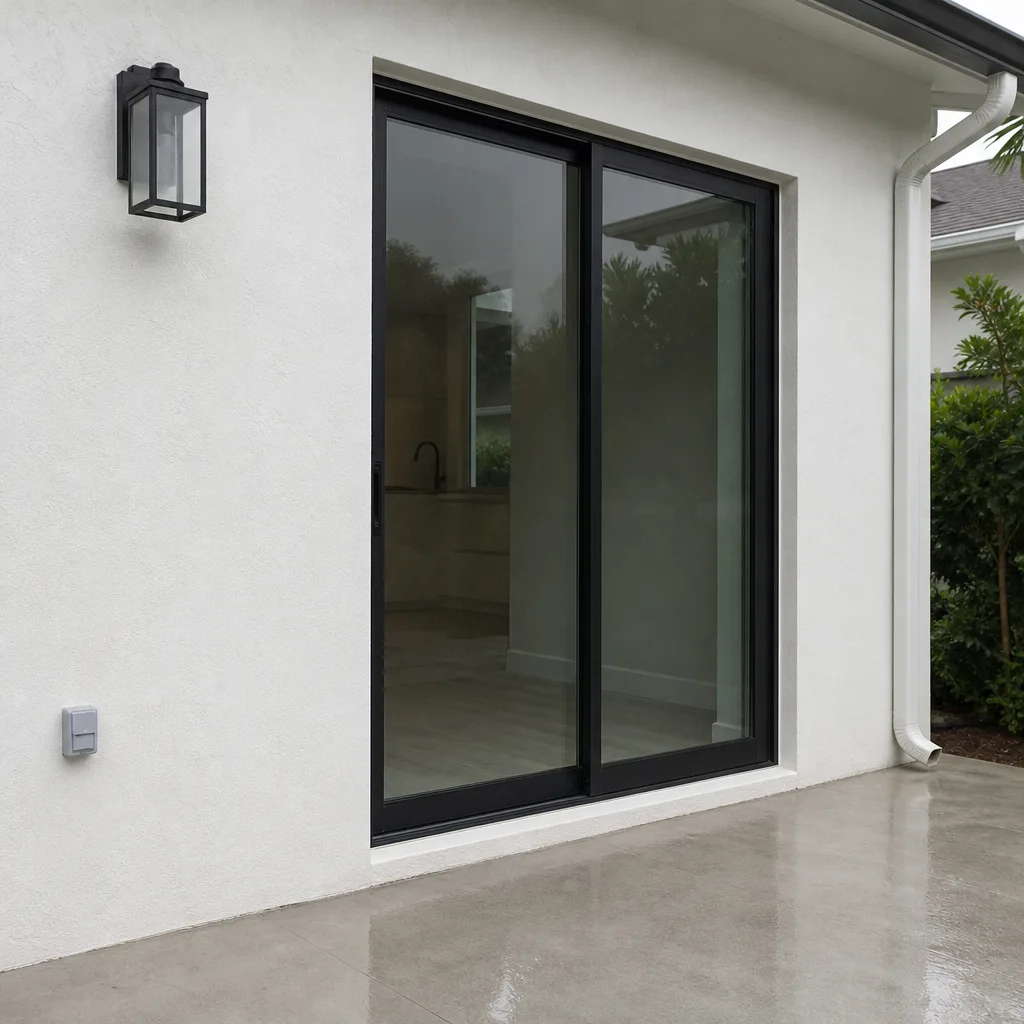
Fort Lauderdale gets a lot of wind-driven rain. During a typical August thunderstorm or a hurricane outer band, rain falls at an angle, not straight down. Water gets blown against doors and windows with real force. If the flashing around those openings is cracked, pulled away, or was never installed correctly, that water finds its way inside.
In older Fort Lauderdale homes, particularly those built before the post-Andrew building code changes in the mid-1990s, we see window openings with no sill flashing at all. The stucco just meets the window frame, and over time, hairline cracks develop. Water enters, runs down inside the wall cavity, and pools at the bottom plate. The first sign is usually peeling paint or a soft spot on the drywall below a window.
What to check: After any heavy rain, run your hand along the interior drywall beneath every window and exterior door. Feel for dampness. Look for bubbling paint, swelling drywall, or water stains. On the exterior side, inspect the caulk joints around each opening. If the caulk is cracked, yellowed, or pulling away from either surface, scrape it out and recaulk. This is a $10 tube of caulk preventing a $2,000 drywall repair.
7. The Main Water Shutoff Valve
This last one is not a moisture entry point. It is the thing that stops all the other six from becoming catastrophes. When a pipe bursts or a hose lets go, the difference between a mop-up and a full-home restoration is whether someone can shut off the water in the first 60 seconds. In a Fort Lauderdale home with the main shutoff at the street or sidewalk, that means accessing the valve box, which may be buried in landscaping, stuck, or broken.
We’ve seen homeowners who thought they knew where the valve was. Then a supply line blew in the kitchen, and they spent 5 minutes digging through mulch while water poured into their living room. Five minutes at 8 gallons per minute is 40 gallons. It matters.
What to check: Find your main shutoff valve now, not during an emergency. It is usually in the ground near the street, under a round or rectangular cover marked “WATER.” Clear away any grass, mulch, or dirt. Open the cover. You should see a valve with a handle. Try to turn it. Does it move? Is it stiff? Is there a separate house-side shutoff in the garage or near the water heater? Many Fort Lauderdale homes have one, and that is the one you want to use in an emergency because it’s faster. Test it twice a year. Close it all the way, then open it back up. If it doesn’t turn or the handle breaks, have a plumber replace it now, before you need it.
The 20-Minute Monthly Walkthrough
Here is the entire habit, written as a checklist you can do on the first Saturday of every month. For more guides & resources like this, visit our blog. No special tools required, beyond a flashlight and your phone camera. It takes about 20 minutes.
- Water heater closet (2 minutes): Open door. Check pan for water. Pour a cup of water into the pan drain. Confirm it drains. Look at the floor outside the closet for warping or discoloration. Check the tank for visible rust or weeping at fittings.
- HVAC air handler (2 minutes): Locate the drain pan under the unit. It should be dry. Shine a flashlight into the pan corners. Pour a cup of white vinegar into the condensate line cleanout. Check the ceiling around the closet for stains.
- Under-sink vanities, every sink (5 minutes): Open each cabinet. Touch the base and back with your hand. Look for dark stains or swelling. Run fingers along supply lines and P-trap. Tighten anything loose. Check the floor of the cabinet for pooled water.
- Washing machine (2 minutes): Pull the machine out a few inches if you can. Inspect supply hoses for bulges, cracks, or rust at the fittings. Look at the wall behind the machine for water stains. Check the floor for dampness or warping.
- Exterior walk (5 minutes): Walk the perimeter. Check hose bibs for drips. Open the irrigation box. Look for standing water. Scan stucco for new cracks, especially around windows, doors, and penetrations. Check caulk joints. Note anything new.
- Shutoff valve (1 minute): Locate the house-side shutoff in the garage or near the water heater. Confirm it turns freely. Close it a quarter turn and back open. If accessible, check the street-side valve box is clear of debris and the cover lifts easily.
- Ceilings and baseboards (3 minutes): Walk each room and glance at the ceiling corners, around ceiling fans and light fixtures, and along baseboards. Look for any new water stain, bubbling, or discoloration. Stains grow slowly, and you will catch them earlier if you look every month.
That’s the whole list. No annual inspection. No 40-point spreadsheet. Just these seven physical spots, checked monthly, with a phone camera documenting anything that looks different from last month.
Month-by-Month Fort Lauderdale Maintenance Calendar
Fort Lauderdale’s weather calendar is not the national norm. We have two seasons: a wet season from May through October and a dry season from November through April. Each one creates different water damage risks, and your maintenance focus should shift with them. This calendar is built around our actual climate, not a generic national template.
January through March: The Dry Season Illusion
Humidity drops, afternoons are pleasant, and it’s easy to think the water risk is gone. It’s not. The dry season is when slow leaks do their quiet work. With the AC running less, condensation doesn’t pool as much, so an AC drain line clog might not overflow until April. But a slow leak under a vanity or behind a washing machine keeps dripping regardless of season. Use these months for the deeper checks: pull out the washing machine, inspect every under-sink cabinet thoroughly, and test the main shutoff valve. This is also the best time for exterior repairs on stucco cracks and caulk replacement, because dry weather means the surface is ready to bond.
April and May: Pre-Hurricane Season Preparation
This is the critical window. Hurricane season starts June 1, and the building supply stores get busy in May. Book any exterior caulking, window flashing repair, or roof inspection in April. Test your shutoff valve again. Check that your gutters and downspouts, if you have them, are clear and directing water at least 4 feet away from the slab. Walk the yard and look for any low spots where rainwater pools against the foundation. And photograph your entire property, inside and out. Those photos are your baseline for any storm damage claim later.
August through October: Peak Storm Season Alertness
This is when Fort Lauderdale takes its real hits. Intense thunderstorms, king tides, and the threat of hurricanes all compress into these three months. Your monthly walkthrough becomes more urgent. Check the HVAC drain pan weekly during this window, because the AC is running hard and pulling maximum moisture, so a clogged line overflows faster. After any heavy rain event, check window sills and door thresholds for dampness. If you get water intrusion during a storm, know your Storm Damage Restoration in Fort Lauderdale options before the next storm arrives. And if a hurricane watch is posted, shut off the washing machine supply valves before you leave or before the storm arrives.
November and December: Post-Season Cleanup and Repair
After the rainy season ends, do a thorough exterior walk. Look for new stucco cracks or water staining from the summer’s storms. Check the irrigation box again, which may have collected sand and debris during flood events. Clean it out. Recalk anything that looks worn. And use the cooler, drier weather to tackle any interior repairs you deferred, because dry season is when openings actually dry out enough to seal properly.
How to Test Your Water Shutoff Valve (Before You Need It)
This is the step virtually no checklist includes, and it is the one every plumber we work with wishes homeowners would do. A shutoff valve that hasn’t been turned in five years will often seize. The handle will snap off in your hand, or the internal ball will break free from the stem, so the handle turns but the valve doesn’t actually close. Finding that out during a burst pipe is a disaster. Finding it out on a quiet Saturday morning is a 15-minute plumbing call.
Most Fort Lauderdale homes have two accessible shutoff points. The first is the city’s meter valve at the street or sidewalk, which requires a special wrench or a pair of pliers to operate. The second is a house-side shutoff, usually in the garage, near the water heater, or in a utility closet. This is the one you want to use in an emergency. Here are the steps to test it:
- Locate the house-side shutoff valve. It is a lever or a round wheel on the main water line where it enters the house. The line will be copper or PEX, typically coming up through the slab in the garage or a utility closet.
- Clear the area around it. You want full access in an emergency, not a stack of paint cans in the way.
- Note the current position of the handle or wheel. If it’s a lever, it will be parallel to the pipe when open. If it’s a wheel, it will be turned counterclockwise all the way.
- Turn the valve to the closed position. The lever should move 90 degrees to perpendicular. The wheel should turn clockwise until it stops.
- Try it with a firm grip. If it’s very stiff, work it back and forth gently a few times. If it’s badly seized, do not force it. You don’t want to snap the stem.
- Open a faucet inside the house to confirm the water has stopped. If water still runs, the valve is not actually closing, and you need a plumber to replace it.
- Turn the valve back to the open position carefully. Open a faucet to release any air pressure. Confirm normal flow returns.
- Repeat this test every six months. It takes less than 3 minutes and it is the single highest-value preventive action you can take.
If the valve fails this test, replace it now. A new ball valve costs around $40 to $90, and a plumber can install one in under an hour. That’s a trivial cost compared to the alternative. When a pipe bursts and the shutoff fails, the water keeps flowing for the 20 minutes it takes the city to dispatch someone to the street valve. In those 20 minutes, hundreds of gallons have entered your home.
Thermal Bridging and Hidden Condensation in Florida Construction
This is a concept most Fort Lauderdale homeowners have never heard of, and it causes real water damage hidden inside walls. Thermal bridging is what happens when a material that conducts heat well creates a pathway through an insulated wall. In a Florida block home, the most common thermal bridges are the metal studs used in many interior partitions, the concrete tie beams that run through exterior walls, and the metal window frames found on many older builds.
Here’s how it plays out in our climate. During the summer, your air-conditioned interior is 30 degrees cooler than the outside air. The inside surface of a concrete tie beam stays cold because the cold interior air chills it. The outside surface stays hot because it’s, well, Fort Lauderdale in July. Where those two temperatures meet near the interior surface, condensation forms inside the wall cavity. Not visible condensation like on a cold glass of water. Hidden condensation, a fine film of moisture on the back of the drywall that never quite dries before the next cycle begins.
Over time, that trapped moisture feeds mold growth inside the wall cavity. The drywall stays visually fine for months or even years. Then a musty smell develops, or a dark stain finally wicks through, and by then the damage inside is significant. This is one of the most common sources of Mold Remediation in Fort Lauderdale work we do.
You can detect hidden condensation before it becomes visible damage with a $30 infrared thermometer, the kind with a laser pointer.
How to use it: On a hot, humid day with the AC running, walk each room and aim the infrared thermometer at the walls. You’re looking for cold spots, areas that read 8 to 10 degrees cooler than the surrounding wall surface. Those cold spots are thermal bridges. They are normal in any block home. But if you find a cold spot that also shows a slightly higher moisture reading on a $20 pinless moisture meter from the hardware store, you’ve found hidden condensation before it became visible damage. Call a professional to open a small inspection hole and confirm, then address the root cause: usually a failed vapor barrier, missing wall insulation at a tie beam, or an oversized AC unit that short-cycles without removing enough humidity. We’ve seen this pattern repeatedly in Fort Lauderdale neighborhoods built in the 1960s through 1980s, where original construction predates modern humidity management standards.
Documenting Your Home for Insurance Claims
There is a direct relationship between how well a homeowner documents their property before a loss and how smoothly an insurance claim goes after one. The homeowners who pull out a phone and show photos of every room, every ceiling, every cabinet, and every exterior wall get claims approved faster and with less pushback. The homeowners who have nothing but a memory of what the kitchen looked like get nickel-and-dimed.
Here’s the documentation system we recommend, tuned for Fort Lauderdale homeowners and the specific losses we see here.
- Create a photo set now, before anything goes wrong. Walk every room. Photograph ceilings, corners, baseboards, under-sink cabinets, the water heater closet, the AC air handler, the washing machine, the exterior walls, the roof line. Take wide shots and close-ups. These photos establish a baseline of your home’s pre-loss condition.
- Label the photos. Rename the files or add notes: “Master bathroom ceiling, March 2025” is far more useful to a claims adjuster than “IMG_1047.”
- Document purchases and upgrades. That new tile floor you installed in 2022, the impact windows, the renovated kitchen. Save receipts and photograph the finished work. When a claim involves those materials, receipts prove replacement cost.
- Store everything in two places. Cloud storage plus a local backup on a flash drive in a fireproof safe. Do not keep the only copy on the phone that might be damaged in a flood.
- After any water event, photograph immediately. Before you move anything, before you pull up the wet carpet, before you start mopping. Those photos document the scope of the loss. Take wide shots of entire rooms, then close-ups of every affected surface, seam, and joint. Measure and photograph the depth of any standing water with a ruler or tape measure in frame.
- Keep a repair log. Note the date you noticed a leak, the date you repaired it, what the repair involved, and what it cost. If a later claim relates to that area, you’ll have documentation that you addressed the issue properly.
This documentation habit pairs directly with our approach to Water Damage Restoration in Fort Lauderdale. Every job we do starts with a photographic record of the affected areas, which we provide to you and your insurance company with a written scope before any work begins. The same standard we use on our jobs is the standard you want for your own baseline before a loss.
Common Mistakes to Avoid
- Ignoring a slow drip because it’s slow. A drip under a vanity that loses 2 tablespoons an hour will put roughly 3.5 gallons into the cabinet and subfloor every week. We see it in Fort Lauderdale homes all the time: a tiny leak that ran for years and destroyed a subfloor. The drip is not the problem. The time is the problem.
- Never testing the shutoff valve. A valve that has not been turned in a decade will fail when you need it most. Test it twice a year, as described above. This is the single most underrated action in this entire guide.
- Using latex caulk on exterior joints. Latex painter’s caulk cracks in South Florida heat and UV within a year or two. Use silicone or polyurethane. They cost a few dollars more and last 5 to 10 years.
- Assuming a water stain on the ceiling is an old stain. If you move into a Fort Lauderdale home and see a brown stain on a ceiling, don’t assume it’s old and dry. Moisture stains can persist visually long after the leak is fixed, or they can be active. Touch the stain. If it feels damp or cool, it’s still wet. If it grows or darkens over days, it’s active. Call a professional to check.
- Running a dehumidifier without fixing the source. A dehumidifier masks the symptom. It does not stop the water. If you’re emptying a dehumidifier tank daily in a room, you have an active moisture problem. Find the source.
- Doing DIY drywall repair before the framing is actually dry. After a water event, drywall can feel dry on the surface while the wood behind it still holds 20% moisture. If you patch and paint over that, you’re sealing moisture inside the wall. We use psychrometric readings (measuring the moisture in the air and materials) to confirm when a structure is genuinely dry, not just dry to the touch.
- Waiting until June to schedule pre-hurricane exterior repairs. Contractors, roofers, and caulk installers book out weeks in advance once hurricane season starts. Schedule exterior repairs in April and May, not June.
When to Call a Professional
Some water damage is a homeowner fix. A loose P-trap connection, a worn hose bib washer, a small caulk gap. But certain situations need a trained eye and professional equipment. Call a restoration company when you have standing water you can’t remove in under an hour, when water has soaked into drywall or flooring, when you smell a musty odor you can’t locate, when a ceiling stain is growing or dripping, or when you find mold on any surface larger than about 10 square feet. Also call immediately after any sewage backup, any supply line burst, or any storm intrusion that left wet insulation or wet carpet. In these situations, speed matters more than you think. Water moves through drywall at roughly 1 inch per hour upward, and subfloor damage becomes more extensive every day it stays wet.
Marsh Water Damage Fort Lauderdale home team offers free estimates in Fort Lauderdale for water intrusion, mold concerns, and storm damage. We answer the phone 24/7, and we send every technician with a name, a photo, and a background check before they ever ring your doorbell. Call (754) 755-2815 if you’re looking at something you’re not sure about.
Frequently Asked Questions
Monthly. A 20-minute walkthrough of the seven high-risk spots listed above catches nearly every water damage issue while it is still small and cheap to fix. Fort Lauderdale’s humidity means slow leaks rarely dry out on their own, so a monthly check is not overkill. It is the difference between tightening a loose fitting and paying for a full-drying job.
In our experience, the most common sources are HVAC condensate line overflows and under-sink slow leaks, followed by washing machine hose bursts and water heater failures. Florida’s long AC season makes condensate management a year-round concern that most homes have never addressed.
It depends on the source. Sudden and accidental events, like a burst supply line or a water heater rupture, are generally covered. Gradual damage from a slow leak that persisted over months is often denied or only partially covered. Flooding from rising water, storm surge, or king tides is not covered by standard homeowners insurance and requires a separate flood policy. Documenting your home’s condition before a loss, as described in this guide, strengthens any claim you file. For an exact determination of your policy, speak directly with your agent or adjuster. Call (754) 755-2815 if you need help understanding the extent of damage before you call your carrier.
A dehumidifier removes moisture from the air, but it does not dry out wet drywall, wet subfloor, or wet wall cavities. Those materials need professional drying equipment, which moves high volumes of dry air through, under, and behind surfaces. We use professional restoration equipment from Marsh Water Damage Fort Lauderdale home, including IICRC-standard drying systems, to dry structures in 3 to 5 days instead of 3 to 5 weeks. If the leak was small and contained, a dehumidifier plus fans may be sufficient. If water soaked into building materials, call a professional for an assessment. The estimate is free.
Speed matters in water damage, and fort lauderdale homeowners should expect a response in hours, not days. For water events involving standing water, call (754) 755-2815 and a live person answers, 24 hours a day, including weekends and holidays. After the call, a technician is dispatched with the drying equipment needed for the job. The faster extraction begins, the less material damage occurs and the shorter the overall drying time.
The answer depends on what got wet and for how long. Clean water from a supply line that is extracted within a few hours can often be handled with professional drying and no demolition. Gray water from an AC overflow or washing machine discharge, or any water that sits for more than 24 hours, carries a higher contamination and mold risk and may require cutting out wet drywall and replacing affected insulation. We give every customer a written scope before any work starts, so you know exactly what we recommend and why. No surprises after demo begins. Call for a free assessment and we will tell you the truth about what you’re looking at, even if the answer is “you can handle this yourself.”
The Bottom Line
Water damage in Fort Lauderdale is not random. It follows predictable paths through the same seven physical spots in home after home. Check those spots for 20 minutes every month, test your shutoff valve twice a year, document your home before anything goes wrong, and act immediately when you find moisture. You will catch most problems before they spread, and you will have the documentation and the plan you need when a real event happens. For everything else, we are here. Call (754) 755-2815 and a live person answers, day or night. We’ll tell you exactly who is coming, put a written price in your hand before any work starts, and stand behind the repair with our 365-Day Done Right Promise.
Written by Tobias Reyner, Owner at Marsh Water Damage Fort Lauderdale, serving Fort Lauderdale since 2005.
See the difference
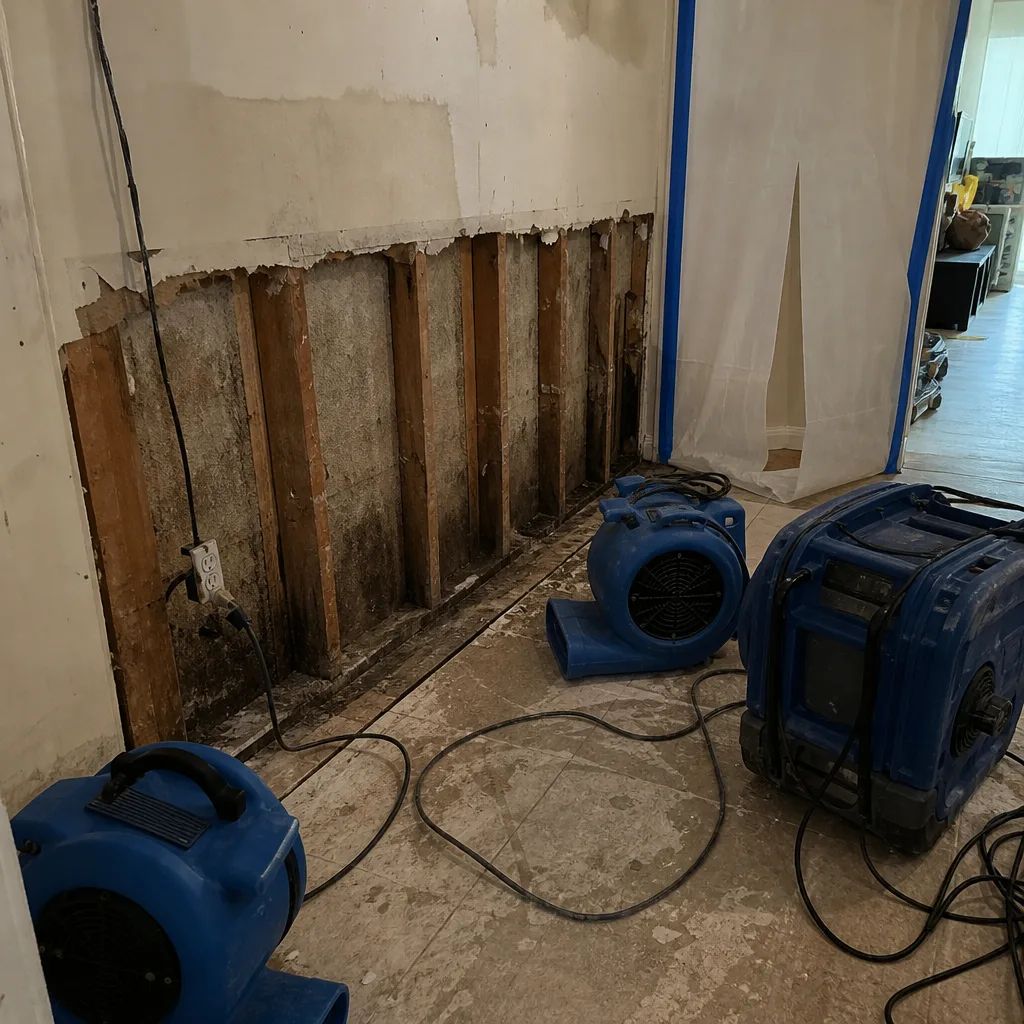 Before
 After
After Before
 After
After Before
 After
After